




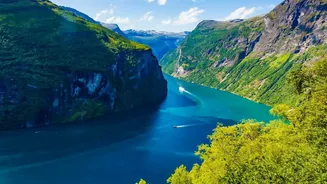
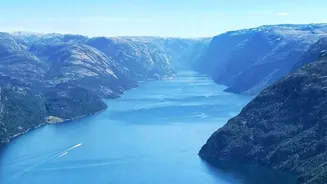
The allure of the fjord is timeless: immense cliffs rising from deep, silent waters. For this iconic landscape, Europe offers two premier destinations, Norway and Iceland, each providing a profoundly different, yet equally breathtaking experience.
Norway: The Classic Fjord Experience
When
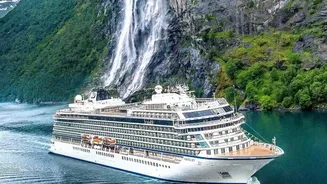
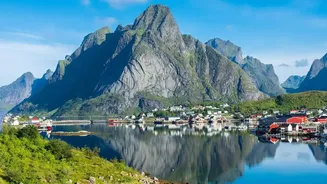
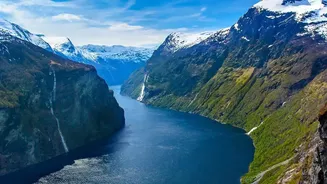
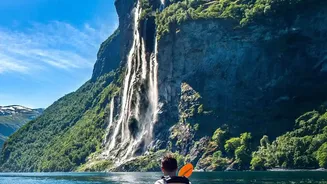
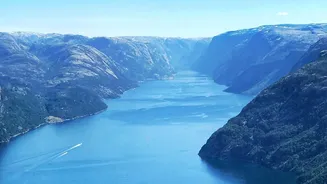
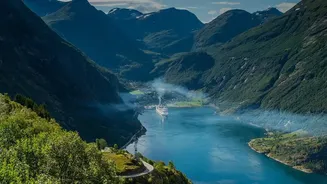
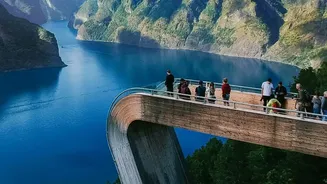
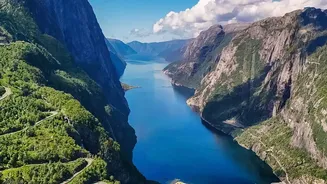
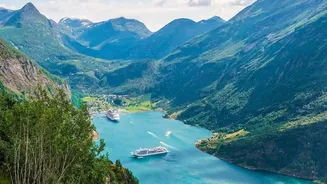
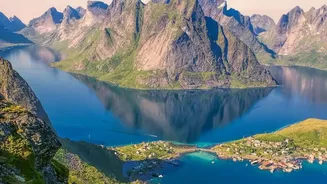
you picture a fjord, you are likely picturing Norway. The country is home to over 1,100 of these dramatic inlets, which are characterized by their immense scale and lush, green scenery. Norwegian fjords are typically long, deep, and narrow, carved by ancient glaciers and flanked by towering mountains from which waterfalls cascade hundreds of metres. Famous sites like the Sognefjord, the country's longest and deepest, and the UNESCO-listed Geirangerfjord and Nærøyfjord, offer what many consider the definitive fjord experience. The landscape here is one of grandeur and verticality, where charming villages and fruit orchards cling to the mountainsides. Travel is often centred around well-developed infrastructure, with popular cruise routes, scenic ferries, and world-class hiking trails like Trolltunga and Preikestolen making these natural wonders remarkably accessible. Activities are plentiful, from gentle fjord cruises and kayaking to more adventurous RIB boat safaris and glacier hiking.
Iceland: Wild, Volcanic and Remote
Iceland's fjords offer a different kind of drama—one defined by raw, volcanic power and a feeling of remote wilderness. Concentrated in the Westfjords and Eastfjords, Iceland's 109 fjords are generally wider and surrounded by more rugged, barren landscapes than their Norwegian counterparts. Instead of dense forests, you'll find landscapes shaped by volcanic activity, with black sand beaches and stark, beautiful table mountains. The experience here is less about cruising through narrow channels and more about exploring a vast, sparsely populated coastline by car. The famous Ring Road bypasses the majority of the Westfjords, meaning those who venture there are rewarded with a sense of solitude and untouched nature. This region is often impassable in winter, making a summer visit essential for exploration. The Eastfjords also offer spectacular driving routes and hiking trails through dramatic, younger mountains.
Wildlife and Activities
Both destinations boast impressive wildlife, but the highlights differ. In Iceland, the fjords are prime territory for spotting puffins, especially in large colonies like those in Borgarfjörður Eystri, as well as numerous seal colonies. The country's only native land mammal, the Arctic fox, is most concentrated in the remote Westfjords. Norway is also a haven for birdlife and whales, with winter bringing large numbers of orcas and humpbacks to the northern fjords to feed on herring. Reindeer can be found in Norway, while Iceland's reindeer population was introduced from Norway and roams wild in the east. In terms of activities, Norway offers a wider variety of established outdoor adventures like rafting, extensive mountain biking, and even skiing with a fjord view. Iceland's fjord activities lean more towards hiking in vast, open landscapes, kayaking in serene waters, and watching for whales and puffins from shore or by boat.
Choosing Your Fjord Adventure
Ultimately, the choice between a Norwegian and an Icelandic fjord experience comes down to your travel style and priorities. If your dream is to witness the classic, picture-postcard fjord landscape—immense, green, and alive with waterfalls—and you value convenience and a well-developed tourist infrastructure, Norway is the undisputed choice. It is ideal for those who want to combine stunning nature with cultural experiences in cities like Bergen and Ålesund. If, however, you crave a more rugged, off-the-beaten path adventure defined by volcanic geology, wide open spaces, and a sense of splendid isolation than Iceland's fjords will deliver an unforgettable experience. It is the perfect destination for an epic self drive journey where the landscape feels untamed and changes around every bend.