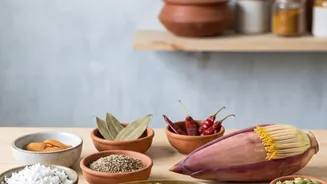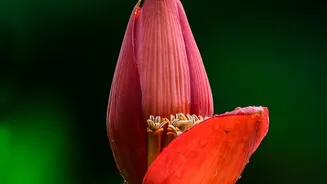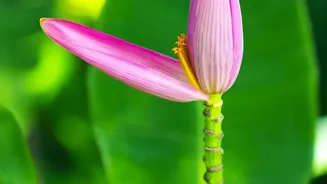




Hidden at the end of a banana bunch is a culinary treasure gaining traction in kitchens worldwide: the banana flower. This large, purple, tear-shaped blossom is more than just a novelty; it's a versatile and nutritious ingredient.
What Is a Banana Flower?
Often called a banana
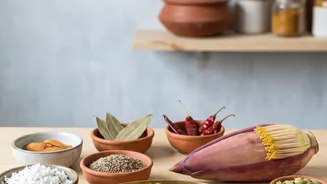
blossom or banana heart, this edible flower is a staple in South and Southeast Asian cuisine. It has a layered structure, much like an artichoke. The outer, tough, purplish leaves, known as bracts, are typically discarded. Beneath them lie rows of small florets and, at the centre, a tender, pale heart. The flavour is mild and slightly nutty, with a texture that can range from tender to satisfyingly 'meaty' depending on preparation, making it a favourite in both traditional and modern cooking.
A Nutritional Powerhouse
Beyond its unique taste and texture, the banana flower is packed with health benefits. It is an excellent source of soluble and insoluble fibre, which aids digestion and can help you feel full longer. It is also rich in essential minerals like potassium, calcium, magnesium, iron, and copper. Furthermore, the blossom contains numerous antioxidants, such as quercetin and catechin, which help protect the body from damage caused by free radicals. Traditionally, it has been used in Ayurvedic practices for various wellness purposes, including managing menstrual wellness and regulating blood sugar.
Preparation: A Rewarding Task
Preparing a fresh banana flower is a process that requires a bit of patience but is well worth the effort. The main task is cleaning the florets found under the large outer bracts. For each floret, you must remove two inedible parts: a hard, matchstick-like pistil and a small, translucent petal or calyx. This can be time-consuming, but it's essential as these parts can be bitter and tough. As you peel away the layers, you will reach the pale, tender heart, which can be chopped and used. To prevent the flower from browning, it's crucial to immediately submerge all chopped parts in a bowl of acidic water, using lemon juice or vinegar.
From Traditional Curries to Vegan Fish
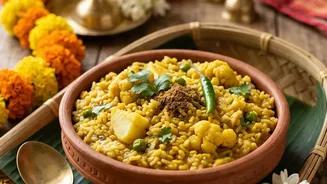
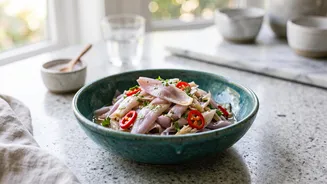
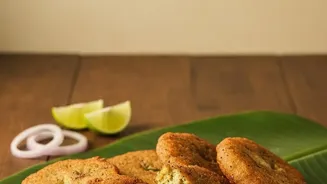
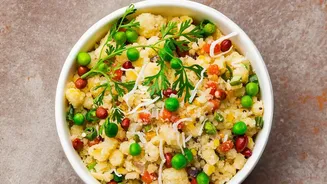
The banana flower’s versatility shines in a wide range of dishes. In India, it’s a star ingredient in regional specialities like 'vazhaipoo poriyal', a South Indian stir-fry with coconut, and 'mochar ghonto', a celebrated Bengali curry made with potatoes and spices. Cooks in Southeast Asia use it in vibrant salads and soups. In recent years, its flaky texture when cooked has made it a popular plant-based substitute for fish, particularly for vegan 'fish and chips'. Whether you're making fritters, chutneys, or curries, the flower absorbs flavours beautifully.
Tips for the Curious Cook
Ready to try it? Look for fresh banana flowers at Asian markets or specialty grocers; they should feel firm and have tightly packed leaves. If the preparation seems daunting, canned banana blossoms packed in brine are a convenient alternative that just need to be rinsed and chopped. For beginners, a simple stir-fry is a great starting point. After preparing and boiling the flower to soften it, sauté it with onions, garlic, and your favourite spices. Adding coconut often complements its flavour profile. Don’t be afraid to experiment with this unique ingredient that bridges traditional heritage with modern culinary curiosity.