


The Great Indian Kitchen Reset
For years, wellness trends in India often meant looking westward. We embraced kale smoothies, quinoa salads, and, of course, cartons of oat milk in our coffee. But a quiet and powerful shift is taking place. Increasingly, health-conscious Indians are
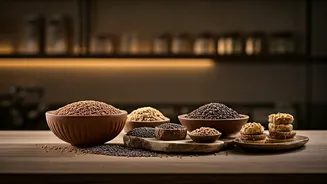
turning their attention back to the pantry of their ancestors. There's a growing recognition that traditional Indian ingredients, once dismissed as old-fashioned, are potent superfoods in their own right. This movement isn't about nostalgia; it's a savvy return to local, sustainable, and nutrient-dense eating. The rise of ragi, or finger millet, is at the forefront of this delicious revolution.
What Exactly Is Ragi?
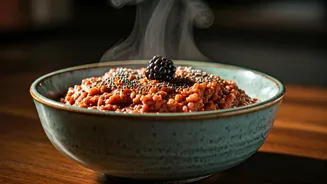
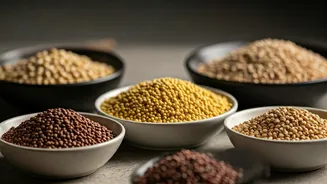
Ragi, also known as nachni in many parts of India, is a small, reddish-brown millet that has been a staple food for centuries, especially in southern India. It's a hardy crop that thrives in tough conditions, making it a reliable source of nutrition for generations of farmers. While traditionally consumed as a simple porridge (or 'mudde' in Karnataka), this humble grain is now being creatively reimagined. Chefs and home cooks are showcasing its versatility in modern formats, from cookies and cakes to the star of our story: pancakes. This shift transforms ragi from a mere sustenance food into a trendy, desirable ingredient.
A Nutritional Powerhouse
So why is everyone suddenly talking about ragi? The answer lies in its incredible nutritional profile. Ragi is celebrated for being one of the best plant-based sources of calcium, containing significantly more than most other cereals and even milk. This makes it fantastic for bone health, especially for children and older adults. It's also packed with dietary fibre, which aids digestion and helps keep you feeling full for longer, making it an excellent choice for weight management. Furthermore, ragi is a great source of iron, which helps combat anaemia, and it's naturally gluten-free. With a low glycemic index, it releases energy slowly, preventing blood sugar spikes and making it beneficial for diabetics.
How to Make Delicious Ragi Pancakes
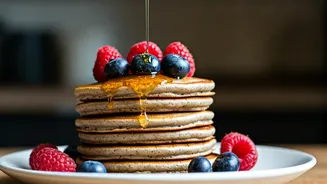
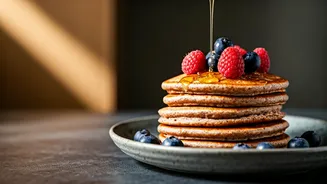
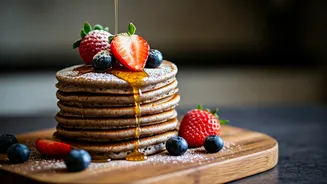
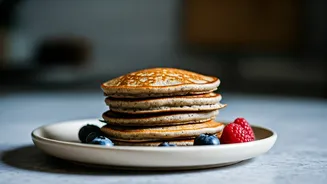
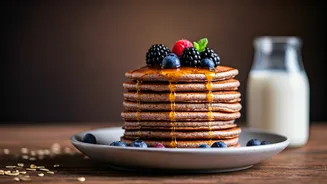
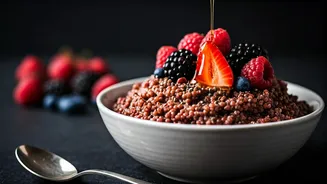
The idea of a 'healthy' pancake can sometimes sound disappointing, but ragi pancakes are anything but. The flour has a naturally earthy, nutty flavour that pairs beautifully with both sweet and savoury toppings. To make them, ragi flour is often mixed with a bit of whole wheat flour (atta) for better structure, then combined with milk, a leavening agent like baking powder, and a natural sweetener like jaggery or mashed banana. The batter is rested for a few minutes before being ladled onto a hot, buttered pan. They cook just like regular pancakes, forming bubbles on the surface before being flipped. The result is a stack of dark, wholesome pancakes that are delicious served with a drizzle of honey, fresh fruits, or a dollop of yogurt.
Beyond Breakfast: The Millet Movement
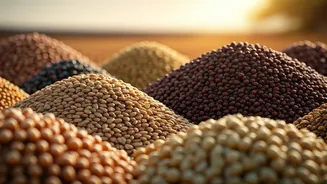
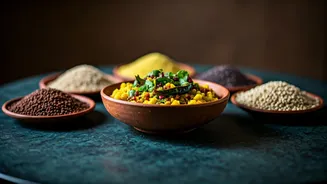
The popularity of ragi pancakes is part of a larger, nationwide embrace of millets, dubbed 'Shree Anna' or the esteemed grain. Spurred by initiatives like the UN's International Year of Millets, which India spearheaded, there's a renewed appreciation for grains like jowar (sorghum), bajra (pearl millet), and foxtail millet. These ancient grains are not just nutritious; they are also climate-resilient, requiring less water than rice and wheat, which supports sustainable agriculture. As chefs and food brands continue to innovate, we are seeing millets appear in everything from pasta and noodles to protein bars and biryanis, signaling a long-term shift in how India eats.