




Plan Your Design First
One of the biggest mistakes is buying flowers before deciding on a design. This often leads to overspending and waste. Before you head to the market, take a moment to plan. Decide on the size and complexity of your pookalam. For smaller homes or apartments,
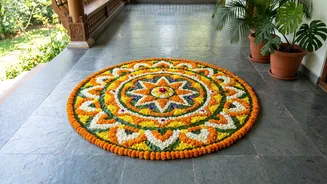
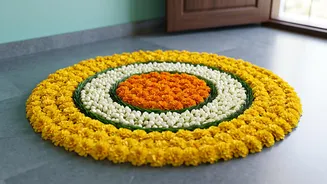
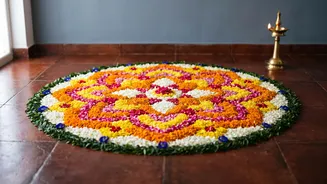
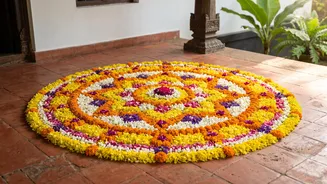
a compact design of two to three feet in diameter can be just as impactful. Use chalk to draw a simple outline on your chosen surface. Classic concentric circles, simple geometric shapes, or a basic flower motif are great for beginners and require fewer petals than intricate, multi-layered patterns. A clear plan ensures you buy only what you need, saving both time and money.
Embrace Leaves and Greenery
Flowers are beautiful, but they aren’t the only ingredient for a gorgeous pookalam. The headline says it all: mix in leaves! Using leaves for borders or as fillers between colourful sections is a fantastic way to add volume, texture, and a touch of natural green without extra cost. You can forage for different types of leaves in your own garden or neighbourhood. Look for mango leaves, tulsi, or even the leaves of the gulmohar tree. They create a lush backdrop that makes your flower colours pop even more, giving your design a fuller, more traditional appearance.
Choose Local and Affordable Flowers
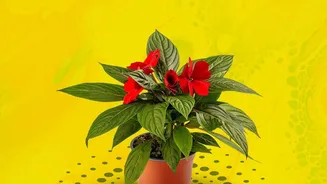
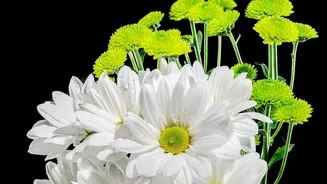
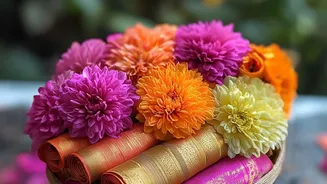
Exotic blooms can be expensive, but traditional pookalams rely on locally available flowers. Marigolds (jamanthi) are a popular and budget-friendly choice, offering bright yellows and oranges that can fill large areas affordably. Other cost-effective options include chrysanthemums, globe amaranth (vaadamalli), and ixora (chethi). These flowers are not only cheaper but also last longer. While fragrant flowers like jasmine and roses are lovely, consider using them sparingly as accents rather than the main filler. A smart mix of two or three affordable flower types can create a stunning impact.
Start Small and Simple
A larger pookalam isn't always better. A small, neatly made design can be more striking than a large, sparse one. If you're a beginner or on a tight budget, starting small is a practical and charming approach. Simple, symmetrical patterns are visually effective and easier to execute. Concentric circles are a classic for a reason—they are elegant and easy to fill. You can start with a small central design on the first day of Onam, Atham, and add a new ring of flowers each day, allowing the design to grow organically. This cherished tradition makes the process as meaningful as the final result.
Get Creative with Fillers
To make your flowers go further, think about using other natural materials as a base or filler. In some modern and creative interpretations, people use coloured rice flour or even sawdust to outline or fill parts of the design, which can significantly reduce the quantity of petals needed. While traditional pookalams are made purely of flowers and leaves, this is a practical trick for competitions or very large designs. You can also use contrasting colours to your advantage. Placing a bright yellow next to a deep red, or white against orange, creates a strong visual contrast that makes a simple design look more complex and vibrant.
Shop Smart for Your Flowers
Flower prices can increase during the Onam season due to high demand. If possible, try to buy your flowers from a wholesale market rather than a local florist for better prices. It’s also wise to avoid buying them on the busiest days right before Thiruvonam. Purchasing your flowers a day or two earlier can help you secure a better deal. To keep them fresh, separate the petals only when you are ready to start creating your pookalam. You can also lightly mist the finished pookalam with water to help the flowers last longer.