




A Surprising Halt in Travel Plans
The travel industry, eager to capture the spending power of Millennials and Gen Z, has long operated on the assumption that these demographics are fueling a boom in global tourism. However, the '2026 Passenger IT Insights' report from SITA, an IT provider
for the air transport industry, introduces a significant counterpoint. According to its survey of nearly 8,000 travellers across 24 countries, a staggering 42% of all passengers have decided against a trip because they expected it to be too stressful. The figure is even more pronounced among younger demographics. More than half of travellers under the age of 30 admitted to abandoning a trip due to anticipated stress. This represents a serious challenge for an industry that considers these younger consumers its next generation of frequent flyers.
The Anatomy of Travel Anxiety
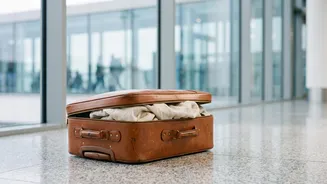
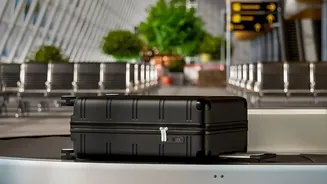
The stress isn't about the fear of flying itself, but rather the operational hurdles on the ground. Passengers identified the primary sources of frustration as the things that create uncertainty and a feeling of lost control. Key pain points include flight delays, long queues for security and immigration, crowded terminals, and anxiety over checked baggage. The report highlights a significant spike in anxiety during the 'dwell time'—the period between clearing security and boarding the plane. A third of all passengers now feel anxious during this phase, a threefold increase from 2023. This 'what happens next' feeling, fueled by a lack of clear, real-time information, is turning the airport experience into a major deterrent.
The Paradox of Technology
Ironically, for the most digitally native generations, technology is both the perceived problem and the potential solution. While a fragmented digital experience with multiple apps, confusing booking processes, and a lack of integrated updates can contribute to pre-travel jitters, travellers overwhelmingly believe technology holds the key to a smoother journey. According to the SITA report, eight in ten passengers believe technology can reduce the stress of air travel. This belief is even stronger among younger travellers and frequent flyers, with 86% and 89% respectively convinced that digital tools can improve the experience. This highlights a critical gap between the technology passengers have and the seamless, proactive system they want.
A Commercial Imperative for the Industry
The findings are more than just a customer satisfaction issue; they represent a direct commercial threat. As SITA's CEO, David Lavorel, pointed out, every trip cancelled due to stress is a lost sale—not just for the airline, but for the entire travel ecosystem, from airport retailers to ground transportation. The report suggests that a calmer, more informed passenger is also a better customer. 37% of travellers said they would spend more money in airport shops and restaurants if their journey were less stressful. The message is clear: reducing friction is not just good service, it is a commercial strategy. By investing in technologies that provide clarity and control, the industry can unlock significant demand that is currently being suppressed by anxiety.
The Path to a Less Stressful Journey
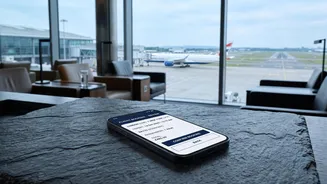
The solution, according to SITA, lies in better information sharing and proactive communication. Instead of passengers having to hunt for updates, information should find them. This could mean mobile alerts about gate changes, live wait times for security displayed on screens, and AI-powered systems that monitor an individual's journey and provide updates. Passengers are open to this, with four in ten saying they would be comfortable receiving real-time updates from an AI system. The report points to the United Arab Emirates as a case study, where high adoption of technology at border control corresponds with significantly lower reported negative emotions from passengers compared to the global average. The goal is to make the entire journey feel as predictable and controlled as the check-in and boarding process, which passengers report as the calmest parts of their trip, largely because the steps are clearly laid out on their phones.