






Choose Your Destination Wisely
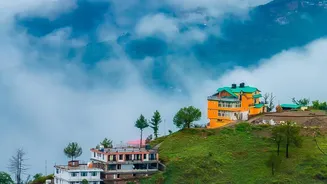
The first step to a safe monsoon trip is selecting a suitable destination. While the rains enhance the beauty of many places, they also increase risks like landslides and flooding in certain areas. Hilly regions in states like Uttarakhand, Himachal Pradesh,
and parts of Kerala, such as Munnar and Wayanad, can be prone to landslides during heavy downpours. It's crucial to check local weather forecasts and advisories from authorities like the India Meteorological Department (IMD) before booking. Opt for destinations known for good connectivity and reliable infrastructure. Consider places in Rajasthan, which receives less rainfall, or accessible getaways closer to home to minimise travel time and potential disruptions. A flexible itinerary with buffer days can also save you from stress if weather-related delays occur.
Prepare Your Vehicle for Wet Roads
If you're planning a road trip, a thorough vehicle check is non-negotiable. Wet roads demand peak performance from your car. Your primary focus should be on tyres, brakes, and wipers. Ensure your tyres have adequate tread depth—at least 3mm is recommended for monsoon safety—to prevent skidding on slippery surfaces. Brakes should be responsive, as stopping distances increase on wet roads. Have them checked for wear, and ensure brake fluid is at the correct level. Finally, inspect your wiper blades; if they leave streaks or squeak, replace them for clear visibility during a downpour. Also, verify that all lights, including headlights, tail-lamps, and fog lamps, are working perfectly. Driving during the day is always safer than at night in the monsoon.
Pack Smartly for Damp Conditions
Monsoon packing is all about staying dry and comfortable. Prioritise lightweight, synthetic clothing that dries quickly, as cotton and denim can stay damp for days. A sturdy raincoat or poncho and a reliable umbrella are essential. When it comes to footwear, choose waterproof sandals or floaters with a good grip; avoid flip-flops or heels. Protect your electronics by storing them in waterproof bags or zip-lock pouches. A power bank is a must-have, as power cuts can be common. Your packing list should also include an insect repellent to guard against mosquitoes, which are more prevalent during this season, and a basic first-aid kit with medicines for common ailments like colds and indigestion.
Prioritise Health and Hygiene
The rainy season brings a higher risk of water-borne and mosquito-borne diseases. To stay healthy, be vigilant about what you eat and drink. Avoid street food, especially pre-cut fruits and salads, as the chances of contamination are high. Stick to freshly prepared, hot meals from clean, trusted restaurants. Always drink bottled or purified water and ensure the seal is intact. It's wise to carry your own water bottle. Personal hygiene is equally important. Wash your hands frequently, especially before meals. If you get wet in the rain, change into dry clothes as soon as possible to prevent fungal infections and colds.
Navigate Roads with Extra Caution
Driving during the monsoon requires your full attention. Reduce your speed and maintain a greater distance from the vehicle ahead to account for longer braking distances on wet roads. Avoid driving through waterlogged areas if you can't gauge the depth of the water; it can damage your vehicle's engine and electrical systems. Always keep your headlights on for better visibility, even during the day. If you're travelling to hilly areas, be extra cautious of falling rocks and potential landslides, especially after heavy rainfall. Keep emergency contact numbers handy and inform your family or friends about your route and expected arrival time. Remember that a patient and defensive approach to driving is the safest way to travel during this season.