





The Trouble with Dairy
Whey protein has long been the gold standard for muscle repair, but it comes with a common drawback: lactose. Lactose intolerance is incredibly common, with studies suggesting that a significant portion of the global population, including over 60% of people
in India, may have trouble digesting it. This can lead to uncomfortable symptoms like bloating, gas, and stomach cramps—hardly the ideal way to feel after a tough workout. While whey protein isolate contains less lactose, even small amounts can trigger issues for highly sensitive individuals. For some, the problem isn't intolerance but a true dairy allergy, which is an immune response to milk proteins. This has pushed many athletes to search for an alternative that offers results without the discomfort.
The Power of the Plant-Based Pair
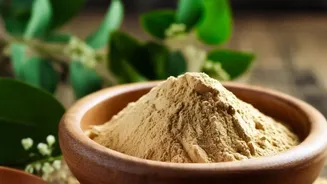
Enter pea and rice protein. On their own, they are impressive. Pea protein, derived from yellow split peas, is rich in branched-chain amino acids (BCAAs), which are crucial for muscle growth and repair. It's also hypoallergenic, making it a safe choice for those with common food allergies. Brown rice protein is also gentle on the stomach and provides a solid protein boost. However, the real magic happens when these two are combined. They are often blended in a 50/50 or 70/30 ratio to create a powerhouse of plant-based nutrition.
A Complete Protein Solution
The primary reason for blending pea and rice protein is to create a 'complete' protein profile. Proteins are made of amino acids, and nine of these are 'essential,' meaning our bodies can't produce them. While most individual plant proteins are low in one or more of these essential amino acids, blending solves this puzzle. Pea protein is high in lysine but low in methionine. Rice protein is the opposite; it’s low in lysine but has plenty of methionine. By combining them, they perfectly complement each other, creating a full amino acid profile that rivals whey in quality and effectiveness for muscle synthesis.
Benefits Beyond Digestion
The advantages of a pea and rice protein blend extend beyond being gut-friendly. This combination supports muscle growth and recovery effectively, with some research suggesting that rice protein, when paired with resistance training, can be as effective as whey. The blend is also naturally free from dairy, soy, and gluten, making it one of the most allergen-friendly options on the market. Furthermore, plant-based proteins often come with a lower carbon footprint compared to animal-derived sources, making them a more environmentally conscious choice for many consumers. This blend provides a clean, effective way to fuel recovery without compromising on performance or digestive comfort.
Making the Switch
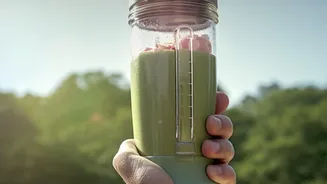
For athletes considering a switch, the market is full of high-quality pea and rice protein blends. When choosing a product, it's wise to look at the protein content per serving and check for third-party certifications to ensure quality and purity. These powders are versatile and can be easily mixed into smoothies, oatmeal, or post-workout shakes. While single-source plant proteins are good, the synergistic effect of the pea and rice blend offers a more robust solution for serious athletes looking to optimize their recovery. It delivers the complete protein package needed to repair and build muscle, all while being gentle on the digestive system.