


Forget the 'Quick Cleanse'
First, let's redefine the goal. Many commercial 'gut cleanses' or 'detoxes' are often based on severe restriction, laxatives, or unproven supplements. These can lead to dehydration, electrolyte imbalances, and disrupt the natural balance of your gut microbiome.
Instead of a harsh cleanse, think of this as a short-term 'reset' focused on nourishing your body and supporting its own highly efficient detoxification systems: the liver and digestive tract. The aim is to reduce digestive stress and load up on nutrients that promote energy and well-being.
Hydration is Your Top Priority
Water is fundamental to both energy and digestion. It helps fibre do its job, keeps things moving through your digestive tract to prevent constipation, and supports all of your body's metabolic processes. Aim to drink plenty of water throughout the day. Herbal teas like ginger or peppermint can also be soothing for the gut and contribute to your fluid intake. Try to limit sugary drinks, excessive caffeine, and alcohol, as these can be dehydrating and irritating to the stomach lining.
Power Up with Prebiotic Fibre
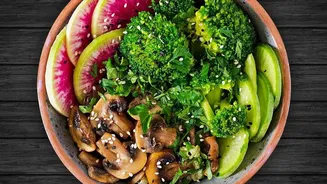
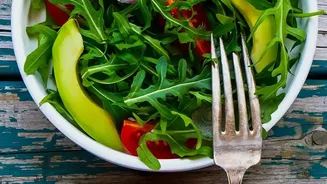
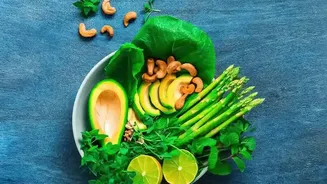
Fibre is crucial for a healthy gut. Specifically, prebiotic fibre acts as food for the beneficial bacteria in your gut. A thriving gut microbiome is linked to better digestion, a stronger immune system, and even improved mood. In the days leading up to your festival, focus on incorporating a variety of high-fibre foods. Good sources include oats, apples, asparagus, bananas, leafy greens, and whole grains. A diverse intake of plant foods helps build a more resilient gut.
Befriend Probiotic-Rich Foods
Probiotics are the live 'good' bacteria that reside in your gut. You can support their population by eating fermented foods. Plain yogurt with live and active cultures, kefir, kimchi, sauerkraut, and kombucha are all excellent sources of natural probiotics. These foods introduce beneficial microbes to your gut, which can help maintain a healthy balance and support digestive function. If you're new to fermented foods, start with small portions to allow your system to adjust.
Focus on Lean Protein and Whole Foods
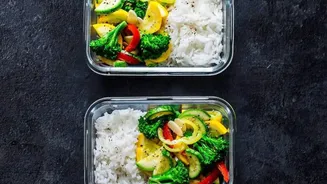
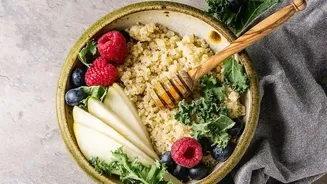
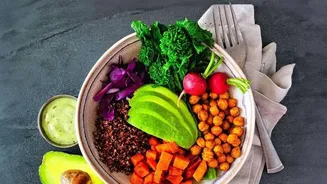
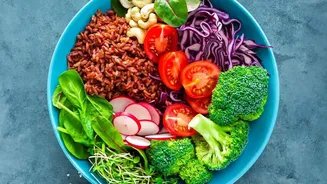
For sustained energy, balance your meals with lean protein, healthy fats, and complex carbohydrates. Protein helps you feel full and helps stabilize blood sugar, preventing the energy spikes and crashes that come from simple sugars. Choose options like grilled chicken, fish, beans, and lentils. Pair these with colourful vegetables and whole grains like quinoa or brown rice. Reducing your intake of ultra-processed foods, which are often high in sugar, unhealthy fats, and artificial ingredients, can give your digestive system a much-needed break.
Don't Forget Rest and Movement
Gut health isn't just about food. Stress and lack of sleep can negatively impact digestion and energy levels. The gut-brain axis is a powerful connection; high stress can disrupt your digestive processes. Prioritise getting quality sleep in the days before the event. Gentle exercise, like walking, also stimulates digestion and can help reduce bloating and improve regularity. Even a 15-minute walk can help get things moving and make you feel more energised.