





Consult Official Weather and Disaster Channels
Your first step should always be to check official sources for weather warnings and travel advisories. The India Meteorological Department (IMD) is the primary agency for weather forecasting in the country. Its website and the official 'Mausam' app provide
real-time updates, colour-coded warnings for heavy rainfall, thunderstorms, and cyclones. For a broader view of potential hazards, consult the National Disaster Management Authority's (NDMA) 'Sachet' portal, which aggregates alerts from various agencies. Furthermore, the National Highways Authority of India (NHAI) often issues specific advisories for major highways, especially in regions prone to landslides like Himachal Pradesh and Jammu. They detail vulnerable stretches and the deployment of emergency response teams, providing crucial information for anyone planning a trip through hilly terrain. You can also call the NHAI highway helpline at 1033 to report emergencies or get updates.
Leverage Your Smartphone for Real-Time Data
While standard navigation apps like Google Maps are essential, their utility increases with new features designed for Indian conditions. Google Maps now includes user-reported alerts for flooding and waterlogging, which can be invaluable for city and highway driving during downpours. For more localised and detailed mapping, consider the Mappls app by MapmyIndia, which provides comprehensive road data and live traffic updates. Beyond navigation, dedicated weather apps like 'Weather & Radar' can offer detailed rain forecasts and live radar maps, showing you exactly where the rain is falling and how it's moving. This allows you to time your travel to avoid the heaviest spells. It's also wise to join social media groups and forums dedicated to travel in the specific region you're visiting. Fellow travellers often post real-time updates and photos of road conditions that official channels might miss.
The Old-Fashioned Method: Call Ahead
Technology is a great tool, but it doesn't replace local, on-the-ground intelligence. One of the most reliable ways to gauge the safety of your route is to call your hotel, resort, or homestay at the destination. Ask them specifically about the condition of the access roads, any recent landslides, or waterlogging in the area. They have a vested interest in your safe arrival and will likely provide honest, up-to-the-minute information. If you know anyone who lives along your intended route, a quick phone call can provide insights that no app can. They can tell you about the state of local bridges, whether rivers are flowing dangerously high, or if certain sections of the road have been damaged in the past few days.
Prepare Your Vehicle for the Challenge
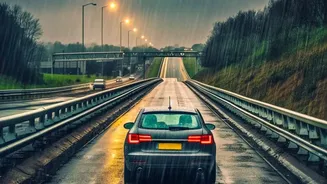
A safe journey begins before you even leave your driveway. A pre-monsoon check for your car is non-negotiable. Pay special attention to your tyres; the tread depth should be well above the minimum legal limit to prevent aquaplaning on wet surfaces. Experts recommend a tread depth of at least 3mm for optimal performance in the rain. Check your brakes, as stopping distances increase significantly on wet roads. Ensure your wiper blades are in good condition and can clear water effectively without leaving streaks. Finally, test all your lights: headlights, taillights, and fog lamps. Using low-beam headlights during rain, even in the daytime, drastically improves your visibility to other drivers.
Reading the Signs on the Road
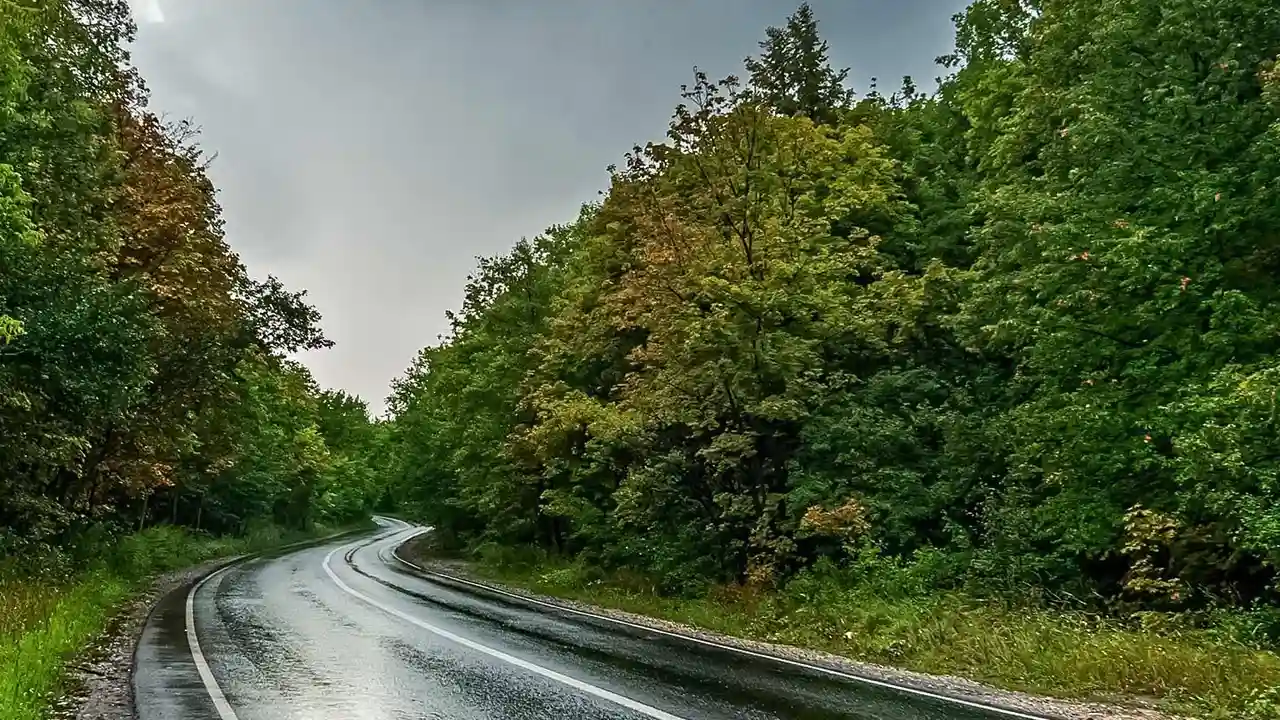
Once you are on your way, stay alert to visual cues that indicate potential danger. Be wary of driving through standing water, as it can conceal deep potholes or debris. A safe rule of thumb is to avoid any water that appears deeper than the bottom of your car's bumper. In hilly areas, be on the lookout for small trickles of mud or falling pebbles, as these can be early warning signs of a potential landslide. If you see signs of a fresh landslide, no matter how small, it's safer to turn back than to risk proceeding. When driving alongside rivers or streams, note their water level and speed. If the water is muddy, brown, and flowing unusually fast, it indicates heavy rainfall upstream and a risk of flash floods. Always reduce your speed, maintain a greater distance from the vehicle in front of you, and drive smoothly, avoiding sudden braking or sharp turns.