






The Economics of a Night Out
The simple act of going to the movies is no longer a casual, inexpensive outing. For a family or even a couple, the total cost can be substantial. In major Indian cities, tickets for a blockbuster on an opening weekend can range from ₹250 to over ₹800,
with premium formats like IMAX crossing ₹2000. Add to that the notoriously high prices for snacks and drinks—where a combo can easily cost another ₹500 to ₹900—and the total expenditure for a single film can rival the cost of an entire year's subscription to a streaming service. This financial calculation forces viewers to be more selective. The question is no longer just 'Do I want to see this movie?' but rather 'Is the experience of seeing this film in a theatre worth the significant cost?'. For many, the answer is only yes when the film promises something that cannot be replicated at home.
The Unbeatable Comfort of Home
While cinema costs have risen, the quality of home entertainment has skyrocketed. Large-screen 4K televisions, sophisticated soundbars, and surround-sound systems are now more accessible than ever. This has dramatically closed the gap in audio-visual quality that once made theatres the undisputed best way to watch a film. Coupled with the convenience of streaming services like Netflix, Amazon Prime Video, and Disney+ Hotstar, the appeal of staying in is strong. Audiences can watch a vast library of films on their own schedule, pause for breaks, and enjoy snacks at a fraction of the multiplex price. Surveys show a clear preference shift, with a significant portion of viewers now favouring the comfort and control of their living rooms for most of their movie consumption.
What Defines a 'Cinema-Worthy' Spectacle?
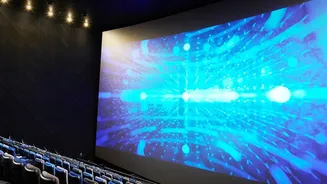
If routine viewing has moved home, the multiplex has become the home of the 'event'. A film is deemed 'cinema-worthy' if it offers a genuine spectacle—an experience that leverages the unique advantages of a theatrical setting. This often means films designed around scale, sound, and immersion. Genres like action, adventure, and science fiction, which benefit from giant screens and advanced sound systems like Dolby Atmos, are clear winners. Christopher Nolan's 'Oppenheimer', for instance, became an event because the director successfully argued that the format in which it was seen—specifically IMAX 70mm—was integral to the experience itself. These are films that feel smaller on a TV screen. The communal aspect also plays a role; the shared gasps, laughter, and applause in a packed theatre create a collective energy that streaming cannot match.
The Squeezed Middle of Cinema
This polarisation of viewing habits has created a precarious situation for mid-budget films—the dramas, comedies, and original stories that aren't built on massive intellectual property or world-ending special effects. For years, these movies were the backbone of the industry, but they now struggle to convince audiences to make the trip. Viewers have been 'trained' to wait, knowing that these types of films will likely arrive on streaming platforms within a few weeks of their theatrical release. However, there are signs of a potential revival. As studios face blockbuster fatigue and streamers reassess their content spending, a new appreciation for the reliable return-on-investment of a well-made, moderately budgeted film is emerging. Genres like horror and thrillers, in particular, are proving that a compelling original idea can still be a theatrical draw.
How Multiplexes Are Adapting
The cinema industry isn't taking this shift lying down. In response to the elevated home experience, multiplexes are doubling down on what makes them unique by becoming more premium themselves. This includes offering luxury recliner seating, enhanced food and beverage menus that go far beyond popcorn, and investing in exclusive premium large formats (PLFs) like IMAX. The goal is to transform the cinema from a passive viewing space into an active, premium destination. By emphasizing the theatrical experience as a high-value event, cinemas are adapting to a world where they are no longer the default option, but a deliberate choice for films that truly demand the big screen.