




Embrace Off-Season Destinations
The monsoon is considered the off-season for many of India's most popular tourist destinations, which translates into significant savings. Places like Goa, Kerala, and Rajasthan see fewer tourists, prompting hotels and resorts to slash their prices, sometimes
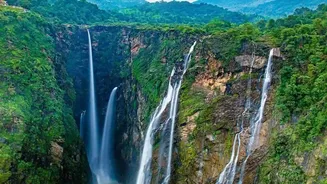
by as much as 40-50%. You can find luxury stays at a fraction of their peak-season cost. Destinations in the Western Ghats like Lonavala, Mahabaleshwar, Coorg, and Munnar become exceptionally beautiful and are often more affordable during this time. Choosing locations where the rain enhances the beauty rather than hinders activity is key to a successful and budget-friendly trip.
Book Smart with Flexible Options
Flexibility is your greatest asset when travelling during the monsoon. Flight delays, cancellations, and road closures are common due to heavy rain and poor visibility. To protect your funds, opt for flexible booking options for flights and accommodation, even if they cost slightly more upfront. This acts as a form of insurance, allowing you to change your plans without losing your money if the weather turns against you. Booking train tickets in advance can also secure lower prices and offer a more reliable mode of transport compared to flights, which are more susceptible to weather disruptions. Consider getting travel insurance that specifically covers trip cancellations and delays due to weather.
Travel by Road or Rail for Scenery and Savings
Instead of relying on flights, consider a road trip or a scenic train journey. Train travel is often more economical and less prone to monsoon-related disruptions. Routes like the Konkan Railway offer breathtaking views of the rain-washed landscapes. If you opt for a road trip, ensure your vehicle is in good condition, especially the tires and brakes. Plan your route to avoid landslide-prone areas and low-lying regions that might get flooded. Remember that monsoon travel is often slow travel; build extra time into your itinerary for potential delays and to safely navigate misty or wet roads.
Pack Strategically to Avoid Surprise Expenses
What you pack can have a direct impact on your budget. Instead of being forced to buy overpriced essentials at your destination, come prepared. Key items include a reliable raincoat, an umbrella, and waterproof footwear with good grip. Quick-dry clothing is far more practical than heavy fabrics. Also, pack a waterproof bag or cover to protect your electronics and important documents. A basic first-aid kit with medications for common monsoon ailments, as well as mosquito repellent, can save you from costly pharmacy visits.
Prioritise Homestays and All-Inclusive Deals
Accommodation can be one of your biggest expenses, but the monsoon offers unique opportunities to save. Consider staying in homestays or guesthouses, which are often cheaper and provide an authentic local experience. Many resorts, especially in off-season destinations like Goa and Kerala, offer all-inclusive packages that bundle accommodation, meals, and sometimes even activities or spa treatments at a discounted rate. This helps you lock in costs and protects you from the uncertainty of finding places to eat if heavy rain keeps you indoors.
Create a Contingency Fund
No matter how well you plan, the monsoon can be unpredictable. A sudden downpour might force you to cancel an outdoor activity, a landslide could block a road requiring a detour, or a flight delay could mean an extra night at a hotel. To handle these situations without stress, it is wise to set aside a contingency fund. A buffer of around 15-20% of your total trip cost is a good rule of thumb. This financial safety net ensures that unexpected expenses don't derail your entire budget, allowing you to adapt to changes with peace of mind.