

The Algorithmic Echo Chamber
Welcome to the age of the micro-trend. Propelled by platforms like TikTok, fashion trends now rise and fall at a dizzying speed, often lasting just a few weeks before being discarded. At the heart of this relentless cycle is the algorithm. These complex
systems are designed to show us more of what we engage with, creating a powerful feedback loop. When a creator posts a 'fit check' video that goes viral, the algorithm pushes that specific look to millions of users, instantly creating mass demand. This process has given birth to an endless stream of '-core' aesthetics—balletcore, cottagecore, mob wife—each a pre-packaged identity served up for consumption. Brands, in turn, use AI to forecast these fleeting desires, accelerating production to get the look online in record time. The result is a fashion landscape where trends feel less like organic cultural shifts and more like algorithmically generated mandates.
The Downside of Duplication
While this democratization of fashion has its upsides, making style more accessible, it comes at a cost. The rapid churn of micro-trends fuels a culture of overconsumption, where clothes are treated as disposable. Items are bought for a single post, worn once, and then often discarded, contributing to massive textile waste. This constant pressure to keep up can be exhausting and expensive, leaving consumers feeling like they are on a never-ending treadmill of consumption. More profoundly, it risks creating a global fashion monoculture. Regional styles and individual quirks are flattened, replaced by a homogenized aesthetic dictated by what performs well online. Fashion, once a powerful tool for self-expression and rebellion, can start to feel like a performance of conformity, where the goal is not to express individuality but to fit into a trending hashtag.
The Art of Intentional Dressing
Yet, a compelling counter-movement is gaining ground. As algorithmic recommendations become more pervasive, the act of building a distinct, personal wardrobe is becoming more relevant and radical. This shift is not about rejecting fashion entirely, but about reclaiming it as a form of genuine self-expression. It’s a move away from asking “What’s trending?” to asking “What do I love?” and “What makes me feel like myself?”. This approach, sometimes linked to the 'de-influencing' movement, encourages a more mindful and authentic relationship with our clothes. It positions personal style as a creative practice—a curated collection of pieces that tell a story about who you are, where you've been, and what you value, independent of what an algorithm suggests.
Practical Steps to Find Your Style
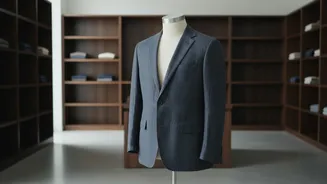
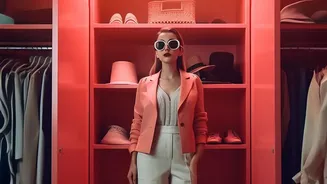
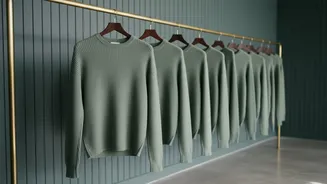
Building a unique wardrobe is a journey, not an overnight transformation. It begins with looking inward. A great first step is a closet audit: pull everything out and ask yourself which items you genuinely love and wear constantly. These are the cornerstones of your personal style. From there, identify common threads—are you drawn to certain colours, silhouettes, or fabrics? Use these as your guide. Instead of chasing trends, focus on timeless basics that fit you perfectly: a great pair of jeans, a well-made blazer, or quality knitwear. These pieces serve as the foundation you can build upon with more unique finds from second-hand shops, independent designers, or even by tailoring existing clothes. The goal isn't to have more clothes, but to have a wardrobe where every piece feels intentional and authentically you.