
Plan Your Meals, Master Your List
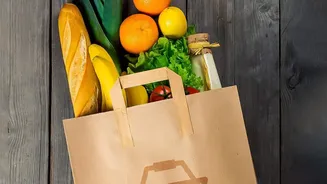
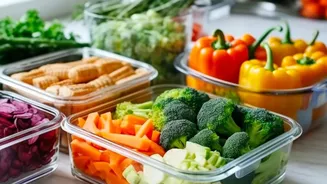
The single most effective strategy to combat rising food costs begins before you even leave the house: planning. Spending just 30 minutes each week to plan your meals—breakfast, lunch, and dinner—can drastically cut down on impulse buys and food waste.
Once you have a meal plan, check your pantry and fridge to see what you already have. Then, create a detailed shopping list and commit to sticking to it. This simple discipline prevents you from falling for tempting but unnecessary items and ensures you only buy what you truly need for the week ahead. Studies show that shoppers without a list can spend up to 40% more than intended, so this one habit can translate into major savings over time.
Embrace Local and Seasonal Produce
Your local 'sabzi mandi' or weekly 'haat' is one of your strongest allies in the fight against food inflation. Supermarkets add costs for logistics, packaging, and branding, which can inflate prices for fruits and vegetables by 30-60%. By contrast, seasonal produce at a local market is not only fresher and more nutritious but also significantly cheaper. For example, tomatoes in season can be a fraction of the cost compared to their off-season price. Aligning your diet with the seasons ensures you get the best quality at the lowest price, directly supporting local farmers and reducing the carbon footprint associated with long-distance food transport.
Buy in Bulk, But Do It Smartly
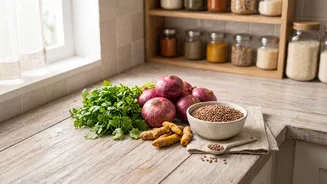
Buying staple items in bulk is a classic money-saving technique for a reason. Non-perishable essentials that your family uses every month—such as rice, atta, dals, sugar, and cooking oils—are almost always cheaper per unit in larger quantities. A 5 kg bag of dal from a wholesale market might offer a significant saving per kilo compared to buying 1 kg packs repeatedly. However, the key is to only buy what you will realistically use. Bulk buying perishable items or things you use infrequently often leads to waste, negating any potential savings. Before committing to a large pack, be confident it's a regular part of your household consumption.
Make Food Waste a Thing of the Past
Every bit of food that ends up in the bin is wasted money. Indian households are estimated to waste a significant amount of food annually. Reducing this waste is like finding money in your own kitchen. Start by practicing the 'First In, First Out' (FIFO) method: when you buy new groceries, move older items to the front of your fridge or pantry so they get used first. Get creative with leftovers; today's extra rice can become tomorrow's fried rice. Soggy vegetables can be perfect for soups or curries. Proper storage also plays a huge role; use airtight containers for grains and pulses and cloth bags for vegetables to extend their life.
Adopt Smarter Shopping Habits
Beyond what you buy, how you shop matters. Never go grocery shopping when you're hungry, as it makes you highly susceptible to impulse purchases of snacks and other unhealthy, expensive items. Take the time to compare the unit price (price per gram or kg) rather than just the pack price to see which product is truly the better value. Also, consider switching to store brands for basic items like salt, sugar, or cleaning supplies. Often, the quality is comparable to name brands but at a lower cost. Finally, while quick-commerce apps are convenient, they can encourage small, frequent purchases that add up. Use them judiciously and consolidate your orders where possible.