







The classic idea of a single, long annual holiday is being redefined. For Gen Z, travel is no longer about one big escape but a series of frequent, shorter getaways, with reports showing a strong preference for weekend trips over extended leave.
The Rise of the 'Micro-Cation'
The long-awaited
two-week vacation is losing its crown to the 'micro-cation'—a short, leisure trip lasting just two to four days. Recent travel reports highlight a major shift in how young Indians travel. An Airbnb report from 2026 found that a staggering seven out of ten Gen Z travellers in India would rather take three short trips throughout the year than one long annual holiday. Furthermore, 87% prefer their trips to last less than a week. This trend isn't about travelling less; it's about travelling more often. Instead of a single, elaborate plan, this generation is integrating travel into their regular lives, using weekends and short breaks to explore, recharge, and escape their routines without the need for extensive planning or taking significant time off work.
Why Shorter Trips are Winning
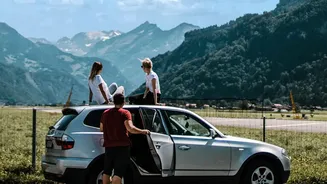
Several factors are driving this shift. Affordability is a primary motivator. Shorter trips are simply easier on the wallet, allowing for more frequent adventures without the financial strain of a long, expensive holiday. In an era of digital fatigue and potential burnout, these quick getaways also serve as vital mental health breaks. According to a Bank of America survey, nearly half of Gen Z travellers prefer shorter vacations because it allows them to spread their time off throughout the year, while others are drawn to the spontaneity and lower stress of planning a brief escape. In India, a quick weekend to a nearby hill station or a spontaneous road trip has become more appealing than a meticulously planned international tour.
Experience Over Itinerary
For Gen Z, travel has become a form of self-expression. A remarkable 95% state it is important for their trips to feel personal and unique, not pre-packaged or typical. This has led to the rise of the 'anti-itinerary' generation, where spontaneity is part of the plan. Many deliberately leave parts of their schedule open for exploration, prioritising authentic cultural immersion over checking off a list of famous landmarks. Interestingly, the accommodation itself has become a destination, with 82% of Gen Z travellers saying the place they stay is extremely important when planning. This generation wants to experience local culture, not just observe it from a distance.
The Influence of the Digital World
As the first true digital natives, Gen Z's travel habits are deeply intertwined with social media. Platforms like Instagram and TikTok are not just for sharing photos; they are powerful tools for discovery and inspiration. The constant stream of new, visually engaging content favours a travel style built on multiple, shareable moments rather than a single annual event. This digital fluency also extends to planning. Reports show that the vast majority of Gen Z travellers use apps and digital platforms to research destinations and find deals, with many even using AI to help plan their trips. This tech-savvy approach enables the kind of spontaneous, last-minute bookings that define the micro-cation trend, with two-thirds booking trips just days or weeks in advance.
What This Means for the Future of Travel
The travel industry is taking note and adapting. Hotels, airlines, and tour operators are increasingly catering to this demand for flexibility, affordability, and unique, experience-driven packages. The focus is shifting towards providing value and facilitating the 'small trips with big energy' that younger travellers crave. Destinations are no longer just cities or countries but can be unique stays, music festivals, or wellness retreats. As Gen Z's spending power grows, their preference for frequent, meaningful, and highly personal travel experiences will continue to steer the future of tourism, cementing the weekend getaway as the new annual leave.