





Goa Beyond the Beaches
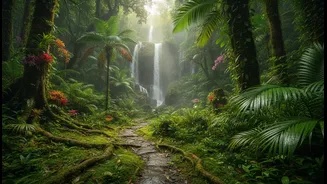
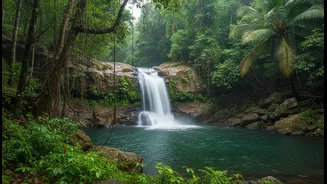
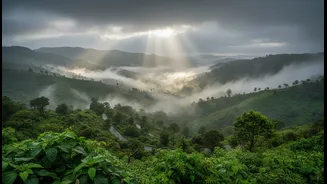
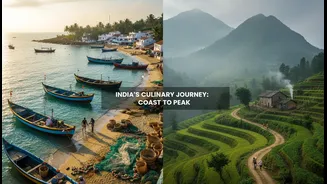
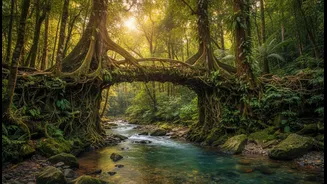
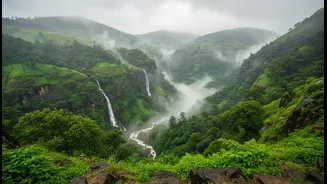
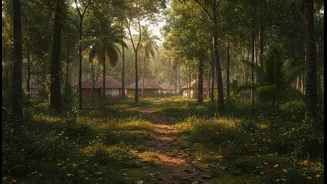
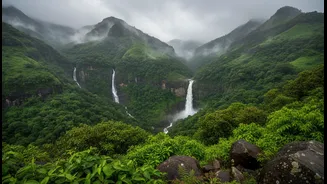
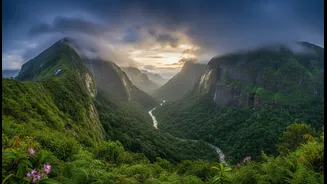
Away from the bustling coastal belt lies a different Goa. This is the state's hinterland, a region of dense forests, cascading waterfalls, and traditional villages nestled within the Western Ghats, a UNESCO World Heritage site known for its rich biodiversity.
For years, the economic benefits of tourism were heavily concentrated on the coast, leaving these interior communities largely untouched by the visitor economy. Now, a concerted push towards 'regenerative tourism' aims to change that. The government and local organizations are promoting the interior as a destination for travellers seeking authenticity, nature, and cultural immersion, thereby reducing the strain on crowded beaches.
The Micro-Tourism Solution
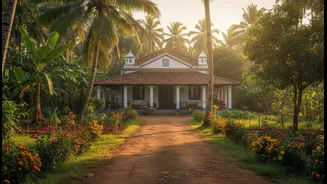
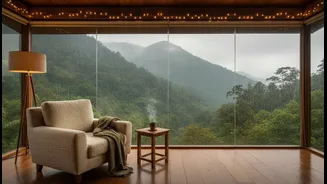
The key to unlocking the hinterland's potential lies in sustainable micro-tourism. Unlike mass tourism with large hotels and high environmental impact, this model focuses on small-scale, community-led initiatives. This includes everything from eco-friendly homestays to intimate, guided experiences that showcase the region's unique natural and cultural heritage. The goal is to create a tourism economy that is not only environmentally responsible but also ensures that revenue directly benefits the local population. This approach fosters a sense of ownership and provides a strong incentive for communities to preserve the very ecosystems and traditions that attract discerning visitors.
Training a New Generation of Ambassadors
Central to this movement is the empowerment of local youth. Recognizing a shortage of certified guides, the Goa government has launched initiatives to train young Goans, turning their innate knowledge into a professional livelihood. The state's Tourist Guide Certification Scheme, which builds on the national 'Incredible India Tourist Facilitator' program, equips participants with a wide range of skills. The curriculum covers Goan history, biodiversity, culture, and heritage, alongside essential soft skills like communication and etiquette. By training youth from the hinterland villages, the program transforms them into the best possible brand ambassadors for their own communities, offering them a compelling reason to build a future at home rather than migrating to the crowded coast or cities.
The Specialized Guide Experience
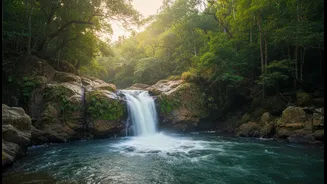
What does a tour with one of these newly trained guides look like? It's an invitation to experience the authentic heart of Goa. These guides lead small groups on treks through protected areas like the Mhadei Wildlife Sanctuary, pointing out rare birds, medicinal plants, and signs of elusive wildlife like the Indian gaur or even the Bengal tiger. They might take visitors to a roaring monsoon waterfall that only locals know, facilitate a visit to a family-run spice plantation, or lead a white-water rafting adventure on the Mhadei River. The experience is deeply personal and educational. It's not just about seeing a place; it's about understanding its ecology and culture through the eyes of someone who calls it home. This approach turns a simple trek into a lesson in conservation and a village visit into a genuine cultural exchange.
The Ripple Effect of Empowerment
The impact of these micro-tourism operations extends far beyond the individual guides. By creating skilled employment, these programs provide a stable income that supports entire families and injects money directly into the rural economy. This economic empowerment reduces the community's dependence on more extractive industries and fosters a sustainable cycle of conservation. When local youth have a stake in tourism, they become passionate guardians of their environment and culture. This model also empowers women and strengthens the entire community fabric. It’s a holistic approach that proves tourism can be a force for good—preserving heritage, protecting nature, and creating opportunity all at once.