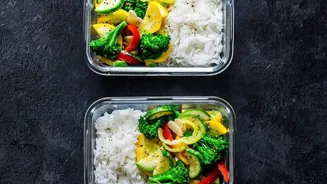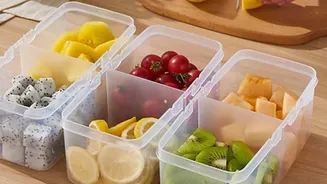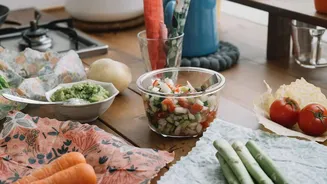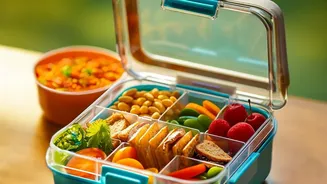




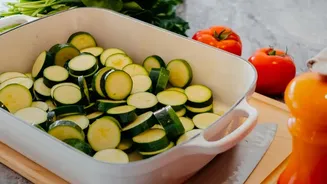

The idea of a massive Sunday batch cooking session is great in theory, but exhausting in practice. A more manageable approach is gaining traction: twice-weekly batch cooking. It offers the same time-saving benefits with fresher meals and less stress.
The Best of Both Worlds
Batch cooking is a proven strategy for saving time, reducing food waste, and eating healthier. The traditional method involves one long cooking session, usually on a Sunday, to prepare meals for the entire week. However, by day four or five, those meals can lose their appeal. Twice-weekly cooking splits the work into two shorter, more manageable sessions. This approach keeps food fresher and allows for more variety. A larger cook on the weekend provides meals for the first half of the week, while a quick mid-week session covers the remaining days, ensuring that what you eat on Thursday is just as fresh as what you had on Monday.
Your First Session: The Sunday Reset
Think of your first session as building the foundation for your week. This is the longer of the two cooks, ideally lasting 90 minutes to two hours. The goal is to prepare versatile components that can be mixed and matched. Focus on items that have a longer cook time or store well for three to four days. Good candidates for this session include: a large pot of grains like quinoa or brown rice, roasted root vegetables, a versatile protein like shredded chicken or a big batch of lentils, and a homemade dressing or sauce. These base components can be assembled into grain bowls, salads, or wraps for the first few days of the week with minimal effort.
Your Second Session: The Mid-Week Refresh
Your second cooking session should be quick and targeted, lasting around 60 minutes. Scheduled for a Wednesday or Thursday, its purpose is to supplement your remaining basics with fresh, fast-cooking elements. This is the time to prepare delicate items that don't store as well. Consider grilling fish fillets, making a quick stir-fry with fresh vegetables, or preparing a new batch of salad greens. You can also use this time to create another sauce or dip to bring new life to your leftover grains and proteins. This refresh ensures your meals for the latter half of the week are exciting and don't feel like monotonous leftovers.
Planning for Success
A successful twice_weekly cooking routine starts with a good plan. Before you shop, decide on a few meals or components for each half of the week. Make a list of ingredients that can be used across multiple dishes to reduce waste and cost. For your first cook, choose recipes that share an oven temperature so you can cook multiple things at once. For the mid_week cook, focus on quick stovetop recipes or items that require no cooking at all, like a fresh vegetable wrap. The key is to think in terms of components rather than complete meals, which offers greater flexibility.
Smart Storage for Maximum Freshness
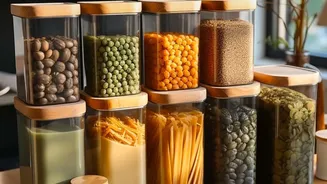
Proper storage is crucial for keeping your food safe and delicious. Invest in clear, airtight containers, preferably glass, so you can easily see what's inside. Label everything with the contents and the date it was made. For the first half of the week, most cooked components will last for three to four days in the refrigerator. Items you prepare for the second half of the week during your first session, like a double batch of chilli, should be frozen immediately. When cooling large batches of food, divide them into smaller, shallow containers to help them cool down quickly and safely before refrigerating.