




The End of an Era for the ISS
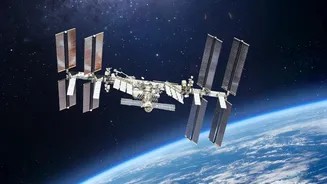
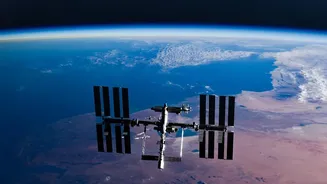
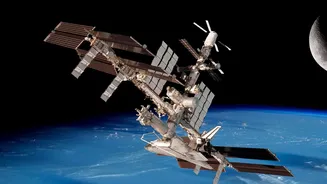
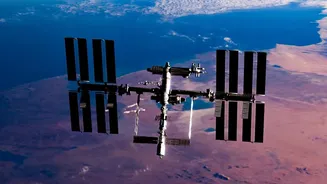
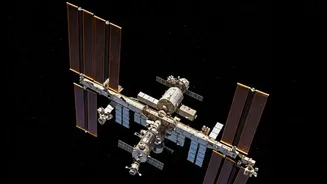
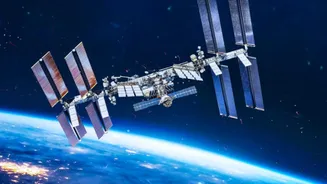
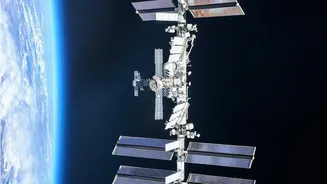
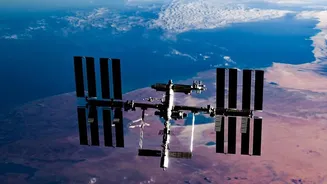
The International Space Station stands as one of history's greatest feats of engineering and international cooperation. Since 2000, it has hosted astronauts from numerous countries, enabling thousands of scientific experiments. However, the station is aging.
After three decades in the harsh environment of space, it faces rising maintenance costs and structural fatigue. NASA and its international partners have agreed to operate the ISS through 2030, after which it will be carefully deorbited to crash into a remote part of the Pacific Ocean. This retirement isn't an end to human presence in orbit, but rather the catalyst for a fundamentally new chapter.
NASA's New Role: From Landlord to Tenant
Instead of building a replacement, NASA is pioneering a new strategy: it plans to become just one of many customers for services in low-Earth orbit (LEO). Through its Commercial LEO Destinations (CLD) program, NASA is actively funding and supporting private companies to develop their own space stations. The goal is to create a robust commercial marketplace in space, where NASA can purchase crew time and research access without bearing the full cost of owning and operating a station. This move is designed to save taxpayer money and allow NASA to redirect its own significant resources toward more ambitious goals, such as the Artemis missions to the Moon and future voyages to Mars.
Meet the New Commercial Outposts
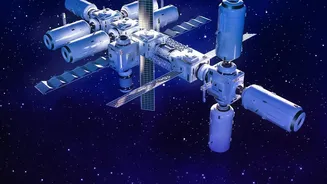
Several companies are racing to build the successors to the ISS. Axiom Space is already flying private missions to the ISS and plans to attach its own modules to the station, which will later detach to form a free-flying commercial platform. Other major players include Starlab, a joint venture from Voyager Space and Airbus, and the Orbital Reef concept from Blue Origin and Sierra Space, envisioned as a 'mixed-use business park in space'. These stations are being designed from the ground up for commercial viability, intended to host a diverse range of clients including national space agencies, private companies for research and manufacturing, and even space tourists.
The Economic and Innovation Case
The shift to a commercial model is driven by powerful economic logic. A competitive market is expected to drive down costs, increase launch frequency, and spur innovation in ways a government-run program cannot. By handing over LEO operations to the private sector, NASA is betting that industry can provide more flexible and cost-effective services. This will not only sustain a human presence in orbit but also foster new industries like in-space manufacturing, advanced materials research, and pharmaceutical development that could benefit from the unique microgravity environment. This creates a self-sustaining economy in space that is not solely reliant on government funding.
An International Marketplace in Orbit
The 'International' aspect of the space station is not disappearing; it's evolving. Just as NASA plans to be a customer, so too will other countries and their respective space agencies, like the European Space Agency (ESA) and Japan's JAXA. Instead of being partners in a single government-owned project, international astronauts will be hosted on these new commercial stations through service agreements. This creates a more flexible and dynamic model for international cooperation. A country could, for example, book a mission on Axiom Station for a specific research project and later use Starlab for another. It transforms the singular, monolithic partnership of the ISS into a multi-platform, multi-provider marketplace for all nations to access space.