

Why Texture Is Your New Best Friend
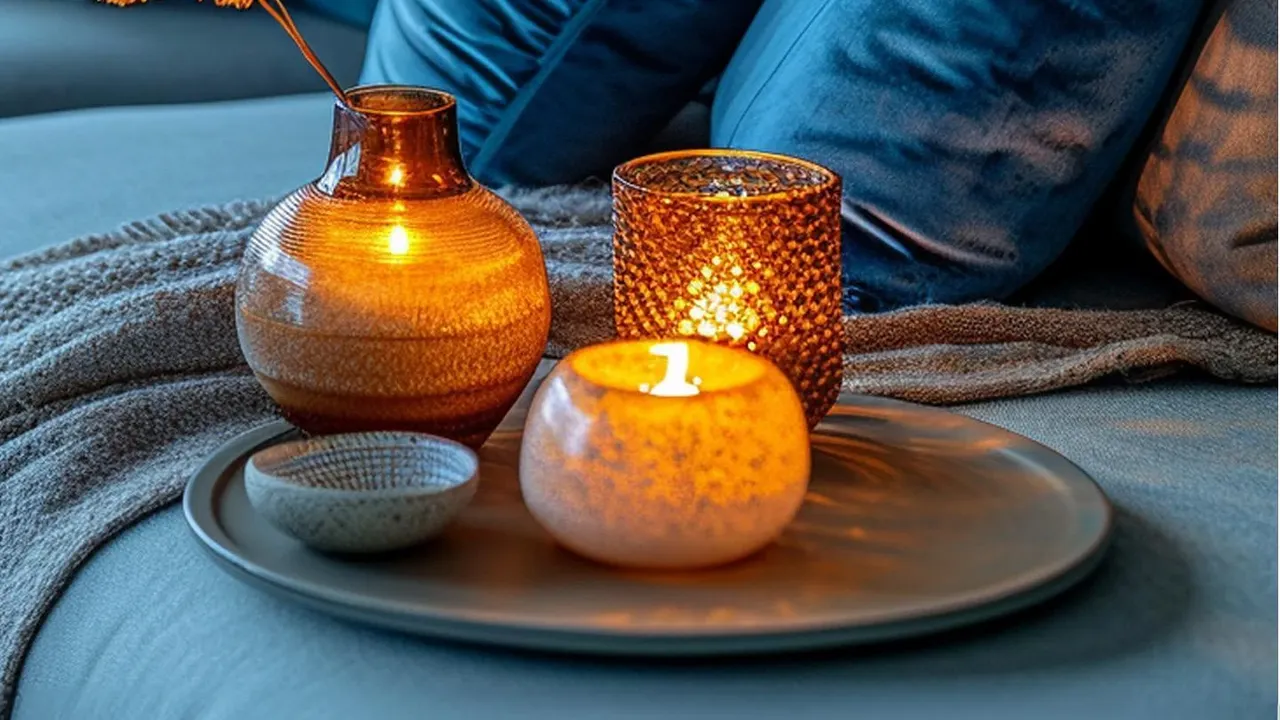
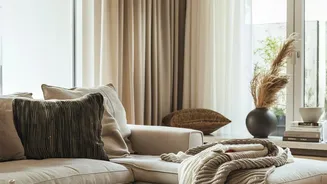
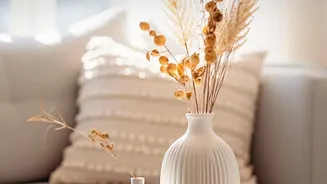
In interior design, texture refers to the surface quality of an object—how it looks and feels. While colour provides visual impact, texture provides a sensory experience, adding a layer of depth that prevents a room from feeling flat or one-dimensional.
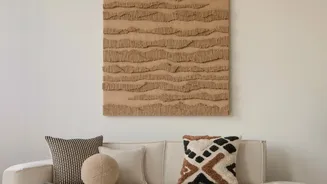
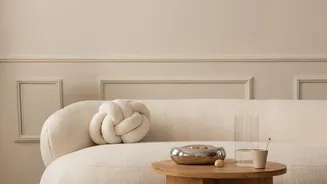
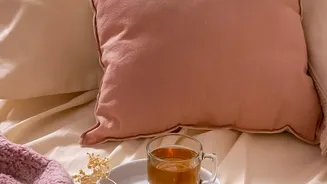
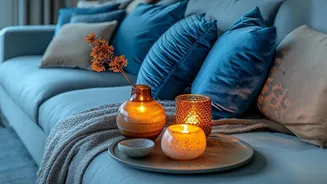
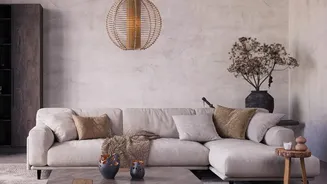
A space decorated in a single, neutral colour palette can feel incredibly rich and inviting simply by layering different tactile surfaces. Cushions are the perfect vehicle for this. They are small, affordable, and easily swapped, allowing you to play with materials that might be too bold or expensive for a larger piece of furniture like a sofa.
A Field Guide to Tactile Fabrics
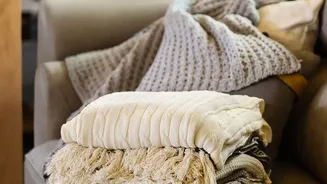
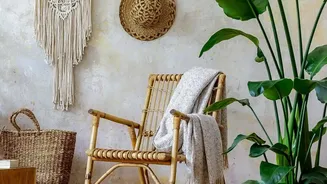
The world of cushion fabrics is vast and varied, with each material bringing its own personality. Plush velvets add a touch of luxury and reflect light beautifully, creating a sense of glamour. Bouclé, with its looped, nubby surface, offers a cosy and on-trend feel that is soft to the touch. Natural fibres like linen and cotton provide a more relaxed, breathable quality, perfect for a casual, timeless aesthetic. For a warmer, more rustic vibe, consider chunky knits, wool, or even faux fur, which are excellent for adding a cosy layer during cooler months. Jute or woven fabrics introduce a more rustic, earthy element that can ground a space.
The Art of Mixing and Matching
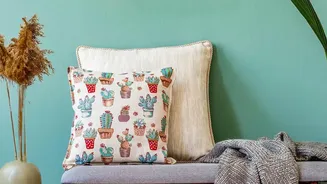
The secret to a professional-looking arrangement is to combine different textures. The key is contrast: pair a smooth fabric with a rough one, or a matte material with something that has a subtle sheen. For instance, a crisp linen cushion looks fantastic next to a plush velvet one. A chunky knit pillow can be balanced by a simple cotton cover. Don't be afraid to mix and match. A good rule of thumb is to use at least three different textures in an arrangement to create sufficient visual interest. You can also look for cushions with textural details like tassels, fringe, or embroidery to add another layer of detail without introducing more colour.
Layering Sizes and Shapes
A dynamic cushion arrangement relies on more than just texture; it also involves playing with size and shape. A classic designer trick is to start with larger square cushions (around 50-60 cm) at the back, placed at the ends of the sofa. Then, layer slightly smaller cushions in front of them. Finish the look with a smaller accent cushion, such as a rectangular lumbar pillow, in the middle or off to one side. This layering technique creates a sense of depth and ensures each cushion is visible. Grouping cushions in odd numbers—three on an armchair, or five on a sofa—tends to look more natural and less formal than symmetrical, even-numbered arrangements.
Beyond the Living Room Sofa
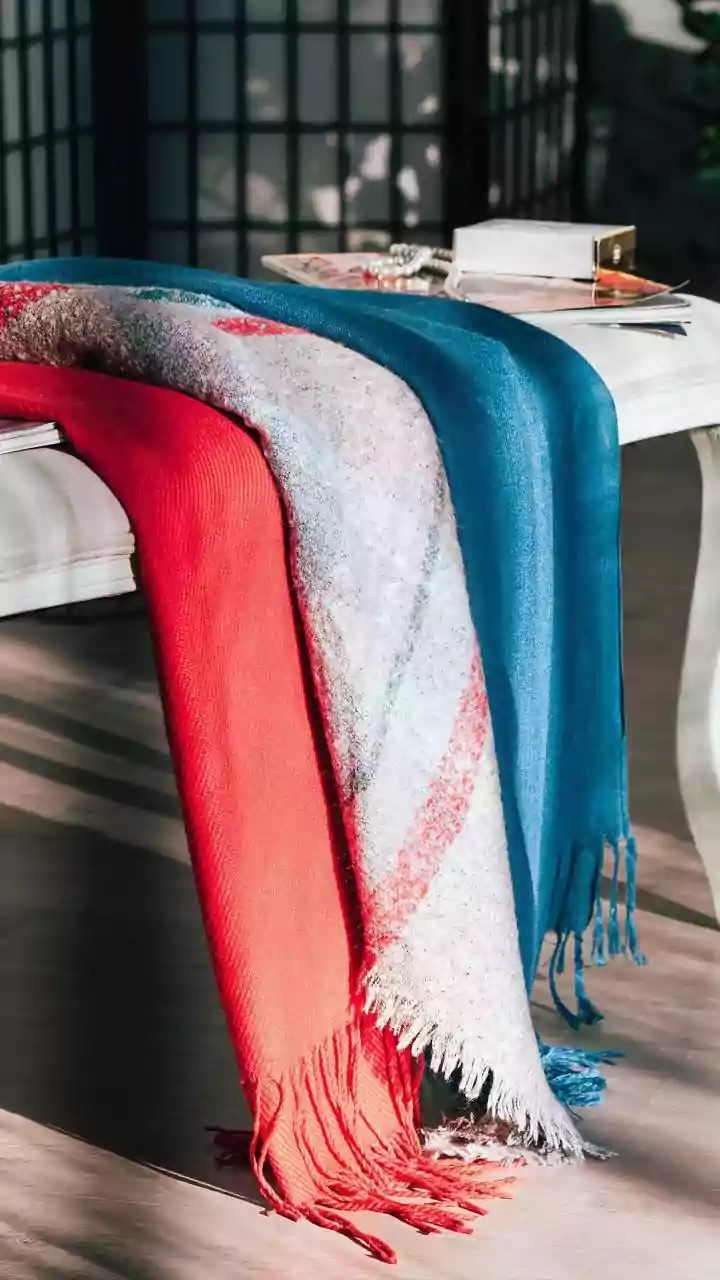
While sofas are the natural home for cushions, their transformative power works in many other spaces. A single, perfectly chosen textured cushion can make an accent chair feel more inviting and intentional. Layering cushions on a bed can turn it into a plush, hotel-like retreat; start with large Euro pillows at the back and build forward. A previously overlooked window seat or a simple bench can become a cosy reading nook with the addition of a few welcoming cushions. Even dining chairs can be softened with thin, textured seat pads that add comfort and a touch of style to the room.