






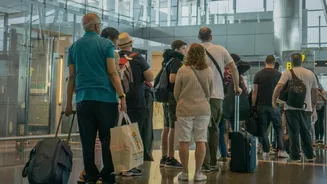
A Global Gauge of Travel Anxiety
According to the '2026 Passenger IT Insights' report by SITA, an air transport technology giant, a staggering 42% of passengers have decided against a trip because they anticipated the experience would be too stressful. The survey, which gathered responses
from nearly 8,000 travellers across 24 countries, paints a clear picture: the hassles associated with flying are actively discouraging people from travelling. This issue is even more pronounced among the most valuable customer groups. Six in ten frequent flyers and more than half of travellers under the age of 30 have abandoned travel plans due to expected stress. This highlights a significant challenge for an industry that relies on these demographics for its future growth.
The Anatomy of Airport Stress
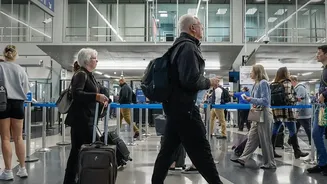
So, what exactly is causing this widespread anxiety? According to SITA's research, the primary culprits are operational uncertainties. Passengers identified flight delays, long waiting times, and worries about baggage handling as their biggest concerns. Much of this stress boils down to a lack of information and a feeling of lost control. The period between security screening and boarding has become a particular hotspot for anxiety, with a third of passengers reporting negative emotions during this phase—a figure three times higher than in 2023. The uncertainty of 'what happens next', from surprise gate changes to the endless wait at the baggage carousel, creates a negative experience that begins long before takeoff.
Technology: The Double-Edged Sword
While disjointed apps and confusing airport systems can sometimes add to the chaos, travellers overwhelmingly believe technology is the answer. A full eight out of ten passengers surveyed think that technology can make air travel less stressful. This confidence is even higher among frequent flyers (89%) and younger travellers (86%), the very groups most affected by travel stress. The consensus is clear: passengers want seamless, integrated digital tools that provide clarity and control. They envision a future where their mobile phone is a trusted travel companion, providing real-time updates and guidance at every step.
The Promise of a Seamless Journey
The good news is that the industry is listening, and the solutions are within reach. SITA's report points towards a future where data is shared between airlines, airports, and ground handlers to keep the passenger constantly informed. Imagine receiving an automatic alert on your phone with a new departure time, directions to the new gate, and confirmation that your luggage has been rerouted accordingly. This level of communication is the key to easing passenger minds. Furthermore, four in ten travellers are already comfortable with the idea of artificial intelligence (AI) providing these real-time journey updates. This shows a growing acceptance of advanced tech in making travel smoother.
What This Means for Travellers in India
For the millions of people navigating India's rapidly expanding and often congested airports, these findings are particularly relevant. While the SITA report is global, the desire for tech-driven convenience is universal. India has already made strides with initiatives like Digi Yatra, which uses facial recognition to create a more seamless check-in and security process. However, the report's emphasis on baggage handling and real-time disruption management points to areas where further innovation is needed. As Indian airports continue to modernise, integrating these kinds of passenger-centric technologies will be crucial. The goal is to transform the airport from a place of stress into a smooth, predictable, and even enjoyable part of the journey.