


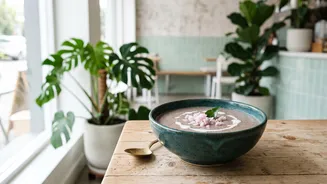
The Original Superfood Breakfast
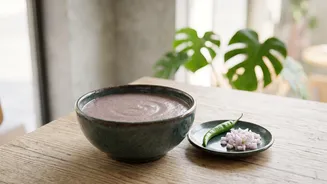
Known by many names across India—Pazhaya Sadam in Tamil Nadu, Pakhala Bhat in Odisha, and Pazhanthanji in Kerala—the concept is beautifully simple: leftover cooked rice is soaked in water and left to ferment overnight in a clay pot. By morning, what was
a simple staple transforms into a tangy, slightly sour porridge. Traditionally, this was the breakfast of farmers and labourers, providing a cooling, energizing, and easily digestible meal to start a long day of physical work. It was typically consumed with simple accompaniments like shallots, green chillies, or a piece of pickle, making it a frugal and zero-waste meal.
The Science Behind the Souring
The magic of Pazhanthanji lies in its natural fermentation. This process allows beneficial microorganisms, particularly lactic acid bacteria like Lactobacillus, to thrive. These are the same types of 'good bacteria' found in commercial probiotic products. This transformation does more than just preserve the rice; it unlocks a wealth of nutritional benefits. Scientific analysis has shown that fermentation drastically increases the bioavailability of micronutrients. Studies have noted significant increases in iron, potassium, and essential B vitamins, including B6 and B12, which are crucial for energy and not always plentiful in plant-based diets.
A Gut-Friendly Powerhouse
In an era where gut health is recognized as the cornerstone of overall wellness, Pazhanthanji stands out as a natural, whole-food solution. The rich concentration of live probiotics helps to balance the gut microbiome, which can improve digestion, reduce bloating, and support the immune system. Research conducted at Chennai's Government Stanley Medical College and Hospital has highlighted its potential benefits, with studies observing symptom relief in patients with conditions like Irritable Bowel Disease (IBD). The fermented gruel acts as both a probiotic, introducing beneficial bacteria, and a prebiotic, as the resistant starch feeds the existing good microbes in your gut.
The Modern Revival
So why is this ancient dish suddenly gaining traction among wellness enthusiasts and fitness creators? The answer lies in a collective fatigue with ultra-processed supplements and a growing appreciation for ancestral wisdom. Pazhanthanji offers a clean source of carbohydrates for sustained energy, electrolytes for hydration, and a powerful dose of probiotics to support the gut—a trifecta for athletic performance and recovery. Its modern revival sees it being adapted in creative ways. Some blend it into smoothies, while others mix it with buttermilk or yogurt and temper it with mustard seeds and curry leaves, transforming the humble porridge into a versatile and contemporary health food.
How to Make It at Home
Creating your own batch of this probiotic-rich food is incredibly simple. Take leftover cooked rice (preferably in a clay or glass bowl) and cover it with drinking water. Let it sit at room temperature, loosely covered, for 8 to 12 hours, or overnight. By morning, the water will be slightly cloudy and the rice will be soft with a tangy aroma. Mash the rice gently, and season with salt, finely chopped onions, and perhaps a green chili. While traditionally made at room temperature, it's important to use hygienically cooked rice to avoid the growth of harmful bacteria.