





More Than Just Grams
Counting protein in grams is a great start, but the real story is about bioavailability—how much of that protein your body can actually absorb and use. The journey from a raw ingredient to a nutrient on your plate is complex. Cooking is essential; it breaks
down complex structures, making food safe and palatable. In fact, cooking can dramatically increase the digestibility of protein. Studies have shown that the protein in cooked eggs is about 91% digestible, compared to just 51% for raw eggs. This process is called denaturation, where heat unfolds the tightly coiled protein molecules, making them easier for your digestive enzymes to access. So, cooking isn't the enemy of protein. The question is, what kind of cooking is best?
The Gentle Art of Cooking
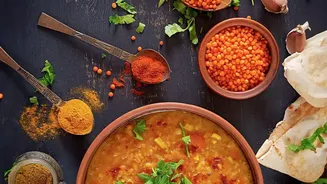
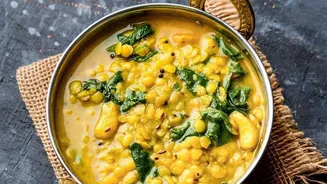
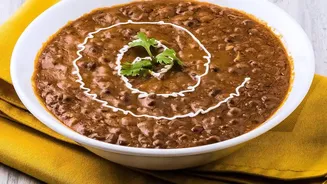
Moist, gentle cooking methods are champions when it comes to preserving protein quality. Techniques like boiling, steaming, and pressure cooking are excellent choices. According to the Indian Council of Medical Research (ICMR), boiling or pressure cooking is one of the best ways to improve the nutritional quality of pulses. These methods destroy anti-nutritional factors, increasing protein digestibility. When you pressure-cook dal, for example, the combination of heat and steam makes the protein more available and easier on the digestive system. Steaming is also a superior method, preserving the integrity of protein with minimal loss. For dishes like chicken curry or stewed meats, the slow simmering not only tenderises the protein but also helps retain its nutritional value, especially if you consume the nutrient-rich gravy.
When Heat Becomes a Problem
While some heat is good, excessive heat is not. High-temperature cooking methods like deep-frying, char-grilling, and prolonged roasting can be detrimental. When protein is exposed to intense heat, especially with sugars, a process called the Maillard reaction occurs. While this reaction creates the delicious browning on tandoori chicken or fried paneer, it can also bind essential amino acids like lysine, making them unavailable to your body. Overcooking at high temperatures can also lead to protein oxidation and the formation of potentially harmful compounds. This doesn't mean you must give up your favourite tikka or pakora, but it highlights the importance of moderation. For instance, deep-frying can cause a greater loss of protein compared to boiling.
Making Smarter Kitchen Swaps
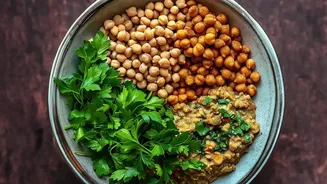
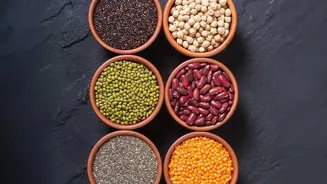
The good news is that small adjustments can make a big difference. Instead of deep-frying paneer cubes for your matar paneer, try lightly pan-frying or air-frying them until golden. This reduces the added fat and better preserves the protein's quality. When making eggs, a gently cooked bhurji or a soft-boiled egg is a better choice than a crispy, hard-fried one, as high heat can make the protein tougher and harder to digest. For lentils, the ICMR suggests cooking them until just tender, as over-boiling them into a complete mush can lead to the loss of nutrients. Soaking dals like chana or rajma for a few hours before cooking not only reduces cooking time but also helps break down compounds that interfere with nutrient absorption.