





The Monsoon Dilemma in the High Himalayas
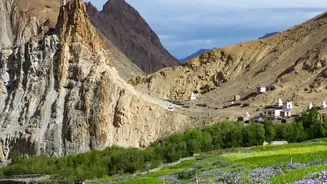
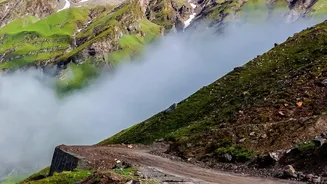
Spiti Valley, a cold desert mountain region, is famously beautiful. While the valley itself lies in a rain-shadow area and receives minimal rainfall, the journey to get there is another story. The approach roads from both Manali and Shimla cut through
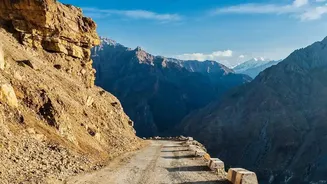
regions that experience the full force of the Indian monsoon. This period, from July to September, often brings heavy rains, leading to significant travel risks. Landslides can block highways for hours or even days, flash floods can wash away sections of road, and swollen water crossings become treacherous. Recent weather events in August have led to authorities issuing travel advisories and warnings of intensified rainfall, highlighting the unpredictable nature of the season. For travellers, this means a high chance of getting stranded and the need for extreme caution.
A Proactive Approach to Tourist Safety
In response to these challenges, the Lahaul and Spiti district administration, along with other state bodies like the Himachal Pradesh Police and State Disaster Management Authority (SDMA), have adopted a more proactive stance. Recognising the dangers, they are increasingly using social media and official channels to disseminate timely information. These official bodies regularly post weather warnings from the India Meteorological Department (IMD), information on road blockages, and general safety advisories for both locals and tourists. The goal is to provide travellers with the information they need to make informed decisions, such as postponing travel during an orange or red alert, choosing a safer route, or avoiding vulnerable areas altogether.
How to Access Real-Time Information
Accessing these critical updates has become easier for the tech-savvy traveller. The most reliable sources are the official social media pages, particularly Facebook, of the Lahaul & Spiti Police and the district administration. These pages provide frequent posts on weather alerts, road status, and contact numbers for emergencies. Before starting each leg of the journey, travellers should check these pages for the latest updates. Additionally, the Himachal Pradesh SDMA issues alerts and maintains a list of helpline numbers. For any emergency, the District Disaster Control Room can be contacted at 9459461355, and other helplines like 1077 are also available for disaster relief information. It is crucial to save these numbers offline, as mobile connectivity can be unreliable in the region.
What the Updates Typically Cover
The information shared by authorities is specific and actionable. Updates often include the status of major routes like the road from Shimla to Kaza (NH-5) and the more volatile Manali-Kaza road via Kunzum Pass. They will specify if a road is fully open, open to only certain types of vehicles (like 4x4s), or completely blocked due to a landslide or snowfall. Weather advisories from the IMD are also relayed, warning of upcoming heavy rain, thunderstorms, or snowfall, which could affect travel conditions. During emergencies, these channels provide contact information for local police and disaster management teams, ensuring that those in distress know who to call for help.
Essential Tips for a Safer Monsoon Journey
While real-time updates are invaluable, personal preparedness remains key. Always build buffer days into your itinerary—at least two to three—to account for potential delays from road closures. The Shimla-Kaza route is generally considered safer and more stable during the monsoon compared to the Manali route. Never drive at night during the rains, as visibility is poor and fresh landslides are hard to spot. It's always wiser to trust the advice of local police and experienced drivers over map shortcuts. Pack for all conditions, including waterproof gear and warm layers, as temperatures can drop significantly. Finally, keep your plans flexible; the mountains demand respect, and during the monsoon, that means being ready to change your schedule for the sake of safety.