
Croatia is beautiful, but its postcard-perfect image often omits the reality of July and August. Searing heat and shoulder-to-shoulder crowds in its most famous locations can turn a dream holiday into a stressful ordeal for many visitors.
Dubrovnik's Overcrowding Dilemma
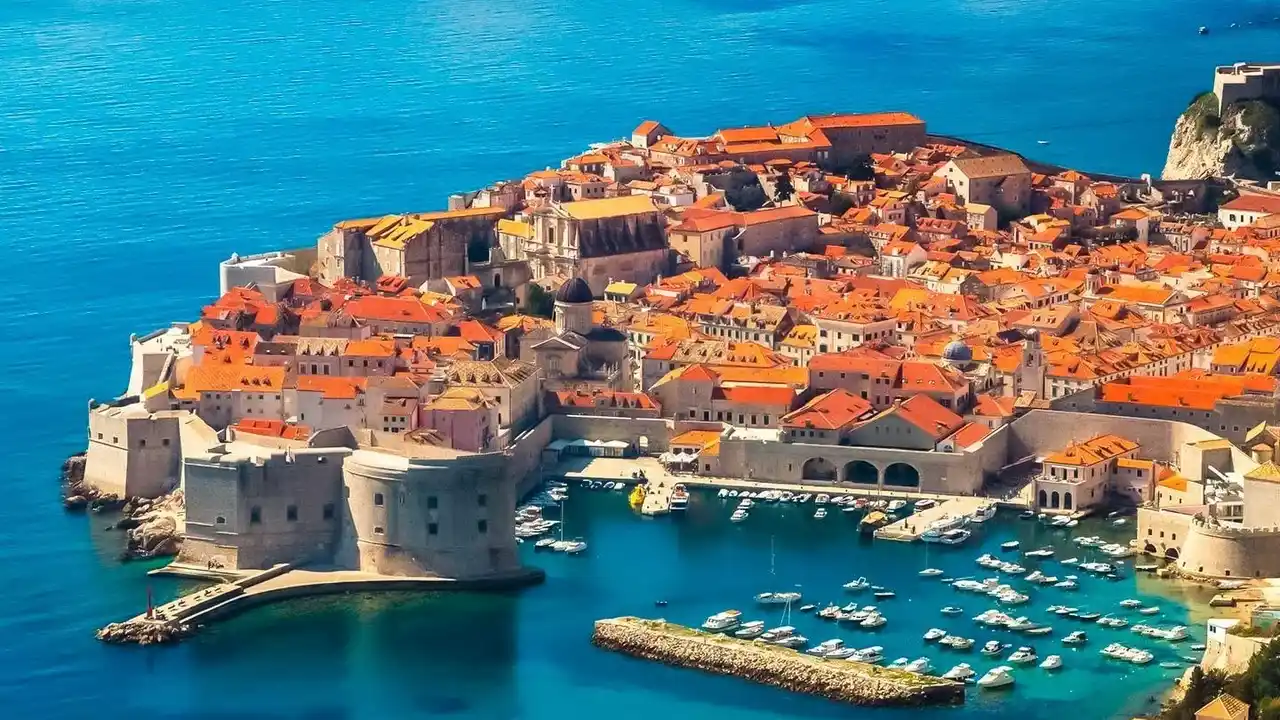
Dubrovnik, often
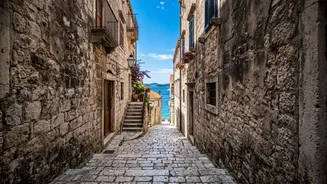
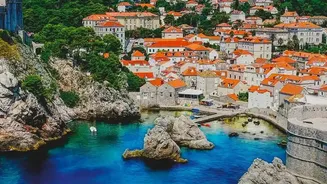
called the 'Pearl of the Adriatic', is a victim of its own success. The 'Game of Thrones' effect, combined with a constant influx of cruise ships, has created a perfect storm of overtourism. During peak summer, the narrow limestone streets of the Old Town become almost impassable, with visitors queuing just to walk. The sheer volume of people can make it difficult to appreciate the city's stunning medieval architecture. In response, the city has implemented a 'Respect the City' program to manage the flow of tourists, including limiting cruise ship arrivals to two per day. While these measures aim to help, visiting in July or August still means navigating intense crowds and paying premium prices for everything from food to accommodation.
Split's Summer Squeeze
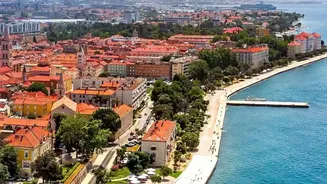
Split, another jewel on the Dalmatian coast, faces similar challenges. The heart of the city is Diocletian's Palace, a sprawling UNESCO World Heritage site that is also home to shops, restaurants, and residents. In summer, this living monument becomes a major bottleneck. Crowds pack the ancient corridors and Peristyle square, and the city's popular Bačvice beach is often towel-to-towel. While Split's vibrant nightlife is a draw for many, those seeking a quiet, cultural experience may find the summer atmosphere overwhelming and the historic core less a relic and more a crowded thoroughfare.
The Plitvice Lakes Pilgrimage
It’s not just the coastal cities that feel the strain. Plitvice Lakes National Park, famous for its terraced lakes and cascading waterfalls, can feel more like a theme park than a natural wonder in high season. The wooden boardwalks that snake through the park become congested, with long queues forming at the most picturesque photo spots. To manage the visitor numbers, the park has introduced timed tickets, which must be booked in advance during busy periods. While undeniably beautiful, the experience of shuffling along in a slow-moving line can detract from the serene magic the park is supposed to offer, especially during the hottest part of the day.
Travel Smarter: The Shoulder Season Solution
The best way to experience Croatia’s charms without the stress is to avoid the peak months of July and August. The shoulder seasons—May, June, and September—offer the perfect compromise. The weather is still warm and sunny, the sea is pleasant for swimming, and the crowds are significantly smaller. Ferry schedules to the islands are still frequent, and accommodation is often more affordable. Visiting in late spring or early autumn allows you to enjoy the famous sites with more breathing room, creating a much more relaxed and enjoyable vacation.
Discovering the Alternatives
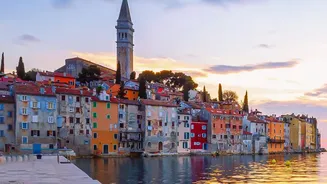
Instead of focusing only on the most famous names, consider exploring Croatia's other stunning regions. The Istrian peninsula in the northwest, often called the 'Croatian Tuscany', is known for its hilltop towns like Motovun and Grožnjan, truffle forests, and a strong Italian influence. Coastal towns like Rovinj offer Venetian-style charm with fewer crowds than Dubrovnik. For island lovers, consider alternatives to Hvar, such as the more remote and tranquil Vis, which was a closed military base until 1989 and thus escaped overdevelopment. Other less-crowded options include the islands of Korčula, often described as a 'mini Dubrovnik', and the quiet fishing villages on Brač island, like Pučišća.