


The Pakora Gets a Makeover
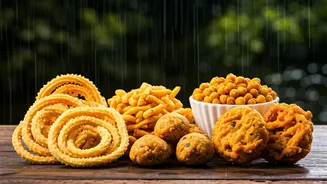
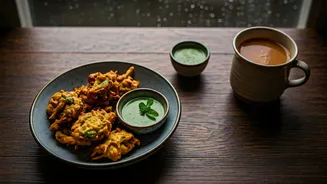
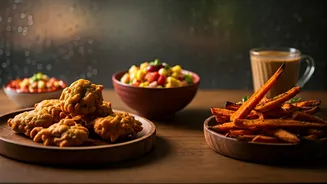
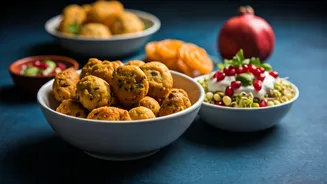
Let's start with the undisputed king of monsoon snacks: the pakora. The sizzle of batter hitting hot oil is iconic, but the health toll isn't. The solution? Ditch the deep-frying. An air fryer can give you that satisfying crunch with a fraction of the oil.
No air fryer? No problem. A hot oven works wonders. Simply arrange your batter-coated vegetables (think spinach, onion, paneer, or cauliflower) on a lightly greased baking sheet and bake at 200°C until golden and crisp, flipping halfway through. You get all the flavour and texture, minus the excessive saturated fats and calories.
Reinventing the Samosa
The triangular pocket of potato-filled joy is another monsoon staple that often comes loaded with refined flour and oil. To give it a healthy twist, start with the pastry. Swap maida (refined flour) for atta (whole wheat flour) to boost fibre. For the filling, move beyond the humble potato. A mix of spiced lentils (dal), minced paneer, or a medley of finely chopped vegetables like carrots, peas, and beans makes for a more nutritious and flavourful core. And just like the pakora, these can be baked or air-fried to perfection, giving you a crispy, guilt-free treat.
Smarter Ways with Corn
The sight of a bhutta-wala roasting corn on a charcoal grill is quintessential monsoon. This snack is already quite healthy, packed with fibre and antioxidants. The pitfalls usually lie in the toppings. Instead of slathering it in butter and salt, enjoy your roasted or steamed corn on the cob with a simple squeeze of lime and a sprinkle of chaat masala or black pepper. This enhances the natural sweetness of the corn without adding unnecessary fat and sodium. You can also make a healthy corn chaat by mixing boiled kernels with chopped onions, tomatoes, coriander, and a tangy lemon dressing.
Beyond the Bhajiya: Savoury Alternatives
When the craving for something savoury and warm hits, we automatically think of fried food. It’s time to broaden our horizons. A fantastic alternative is a moong dal cheela. These thin, savoury pancakes are made from protein-rich lentil batter and can be stuffed with paneer or vegetables. They are cooked on a tawa with minimal oil. Another excellent option is steamed dhokla. This fermented gram flour cake from Gujarat is light, spongy, and incredibly easy on the stomach. It’s a probiotic-rich snack that satisfies cravings without weighing you down.
Chaat Cravings, Controlled
The tangy, spicy, sweet explosion of chaat is hard to resist. Unfortunately, traditional chaat often involves fried components like papdi and sev. To make a healthier version at home, start with a better base. Use baked whole wheat crackers (mathri) or even roasted sweet potato slices instead of fried papdi. Build your chaat with a generous helping of boiled sprouts, chickpeas, and potatoes. Top it with whisked low-fat yogurt, homemade tamarind chutney (made with dates instead of sugar), and fresh mint chutney. You get all the complex flavours and textures of street-style chaat in a much more wholesome package.
The Comforting Cup, Upgraded
No monsoon snack session is complete without a hot beverage. While a classic masala chai is comforting, it can become a source of hidden sugar. Try reducing the sugar gradually or switching to a natural sweetener like jaggery or stevia. Better yet, embrace herbal infusions. A simple brew of grated ginger, tulsi leaves, and a dash of honey not only soothes the soul but also helps boost immunity—a common concern during the monsoon season. Turmeric milk, or ‘haldi doodh’, is another fantastic, anti-inflammatory option for a cosy evening.