





The Great Protein Fixation
In many households, mealtime conversations often circle back to one question: is my child getting enough protein? This concern is understandable. Protein is a vital building block for growing bodies, helping to form muscles, repair tissues, and support
the immune system. Influenced by marketing and a general focus on fitness, many parents worry their children might be falling short, especially in vegetarian families. However, most children in modern diets already get two to three times the protein they actually need. An excessive focus on this single nutrient can lead to an unbalanced diet, potentially creating mealtime stress and even health issues like kidney strain or unwanted weight gain. The real foundation of good health is not just one nutrient, but a balanced intake from all food groups.
A Symphony of Nutrients
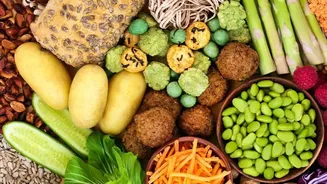
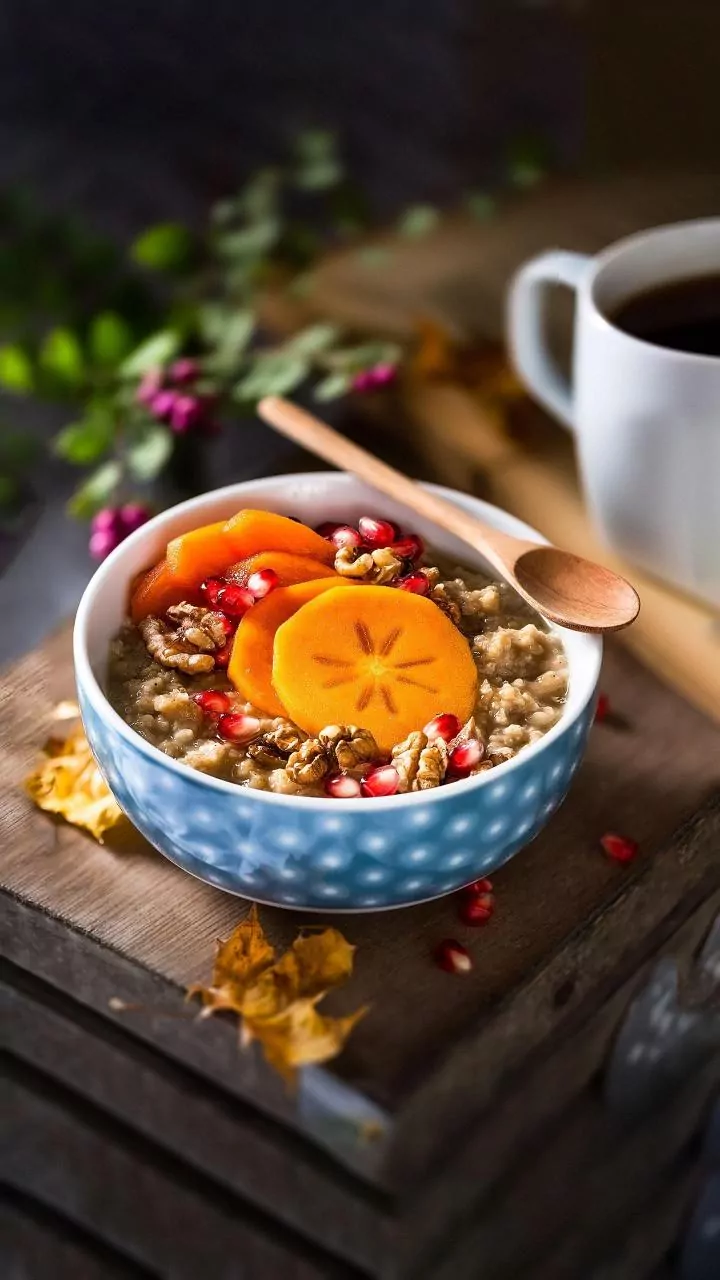
Think of your child's diet as a symphony orchestra. Protein is an important instrument, but it can't play the whole piece alone. For a beautiful performance, you need the entire ensemble. Growing bodies and brains require a wide array of macronutrients (carbs, fats, protein) and micronutrients (vitamins and minerals). Carbohydrates provide essential energy for play and learning. Healthy fats, like omega-3s found in walnuts and flaxseeds, are crucial for brain and eye development. Meanwhile, a host of vitamins and minerals play specific, vital roles. Calcium and Vitamin D build strong bones and teeth, iron prevents fatigue and supports brain development, and vitamins like A and C bolster the immune system, helping to fight off common illnesses. No single food can provide all of these, which is why variety is non-negotiable.
The Power of a Colourful Plate
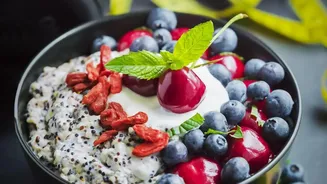
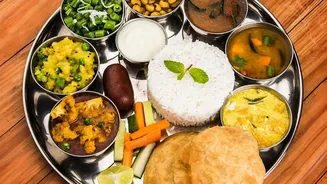
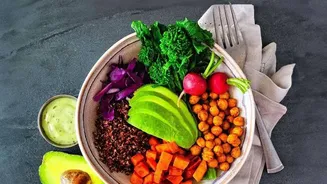
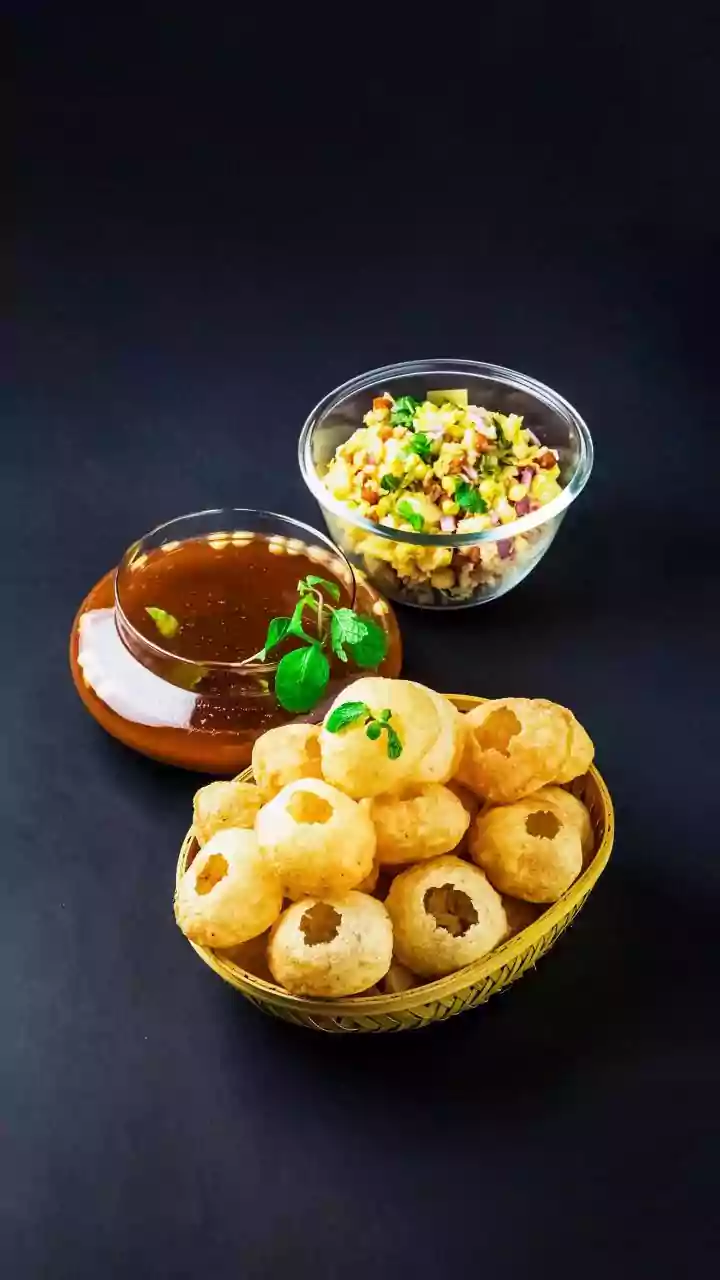
The simplest way to ensure nutritional variety is to 'eat the rainbow'. Aiming to put different coloured foods on your child’s plate ensures a broader spectrum of nutrients. For instance, red foods like tomatoes and strawberries provide Vitamin C. Orange and yellow foods like carrots and sweet potatoes are rich in Vitamin A. Green leafy vegetables like spinach and kale offer iron and calcium. This approach does more than just ensure nutritional adequacy; it also helps develop a child's palate. Introducing a variety of tastes and textures early on makes children more open to trying new foods later in life, setting the stage for lifelong healthy eating habits. In an Indian context, this can mean moving beyond the usual dal and roti to include colourful vegetable sabzis, different types of lentils, salads, and fruit chaat.
Navigating the Picky Eater Hurdle
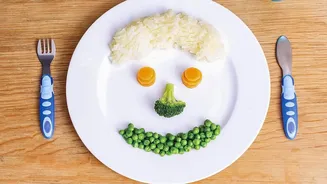
Of course, knowing what's best and getting your child to eat it are two different challenges. Picky eating is a normal developmental phase for many toddlers and young children. The key is patience and persistence, not pressure. Experts suggest it can take 8 to 10 exposures before a child accepts a new food. One effective strategy is to serve a small portion of a new food alongside familiar favourites. Involving children in the meal preparation process, such as washing vegetables or mixing ingredients, can also pique their curiosity. It's also helpful to model the behaviour you want to see; when children see their parents enjoying a variety of foods without fuss, they are more likely to try them too. Maintaining a calm and predictable mealtime routine helps reduce anxiety around food for both parent and child.