


An Overview of November Weather
November marks the transition from autumn to winter in the Indian Himalayas. For travellers, this means fewer crowds, lower accommodation prices, and stunningly clear skies. However, the defining feature is the cold. While daytime temperatures can be pleasant
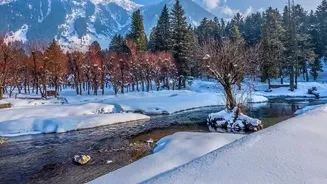
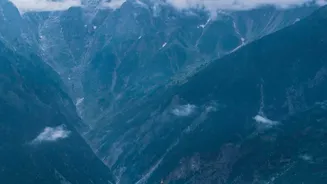
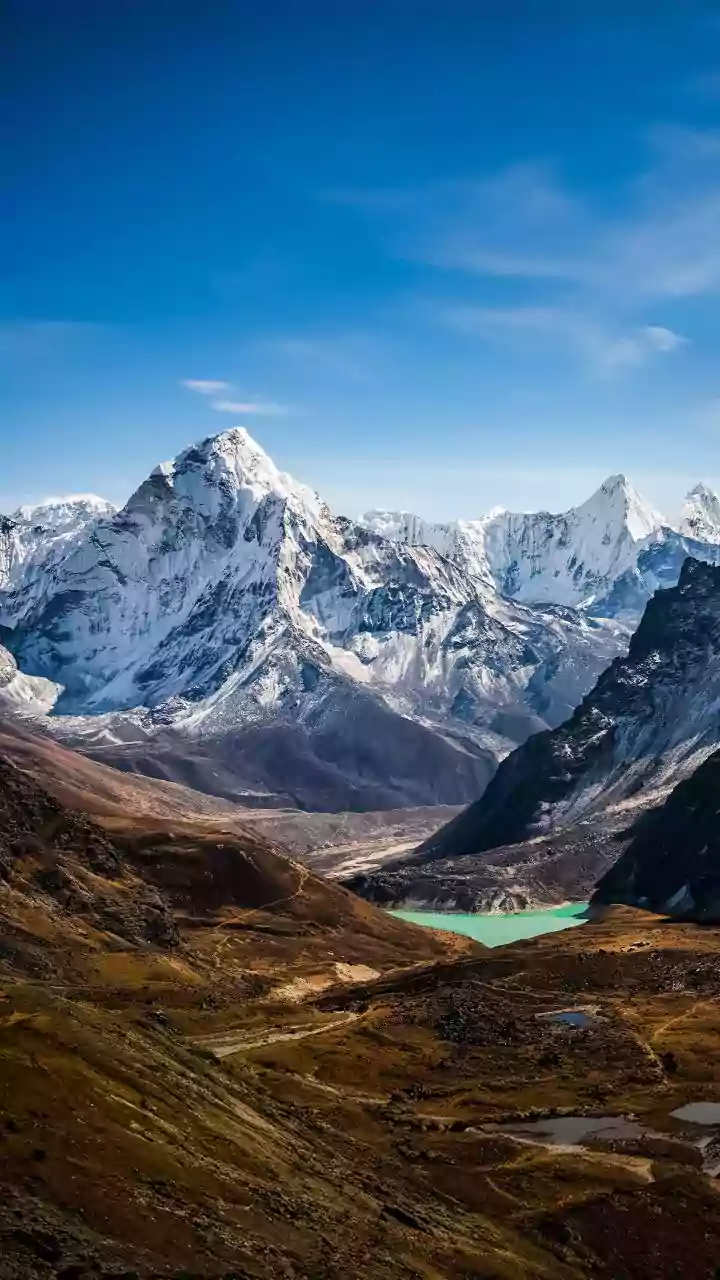
and sunny, ranging from 10°C to 20°C in lower regions, nights are significantly colder. At higher altitudes, temperatures regularly drop below freezing. Snowfall begins to dust the higher peaks and passes, and by the end of the month, some routes may become inaccessible. The key is to be prepared for a wide range of temperatures within a single day.
Ladakh: The Arid, High-Altitude Desert
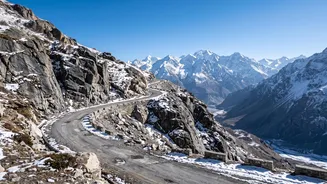
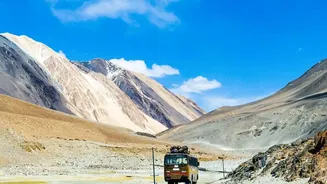
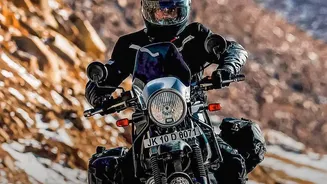
November is the start of the harsh winter in Ladakh. While the summer crowds are long gone, visiting at this time requires serious preparation. The Manali-Leh highway is typically closed, and the Srinagar-Leh highway often shuts down by mid-November due to snowfall at Zoji La pass. Flying into Leh is the most reliable option. Expect daytime temperatures in Leh to hover between 5°C and 10°C, but nights will be brutally cold, plummeting to -5°C or even -10°C. Higher areas like Pangong Lake will be even colder, with severe wind chill. Most hotels and guesthouses close for the winter, so booking accommodation in advance is crucial. You'll find a raw, quiet beauty, but mobility will be limited, and you must acclimatise carefully as the cold can exacerbate altitude sickness.
Himachal Pradesh: Shimla and Manali
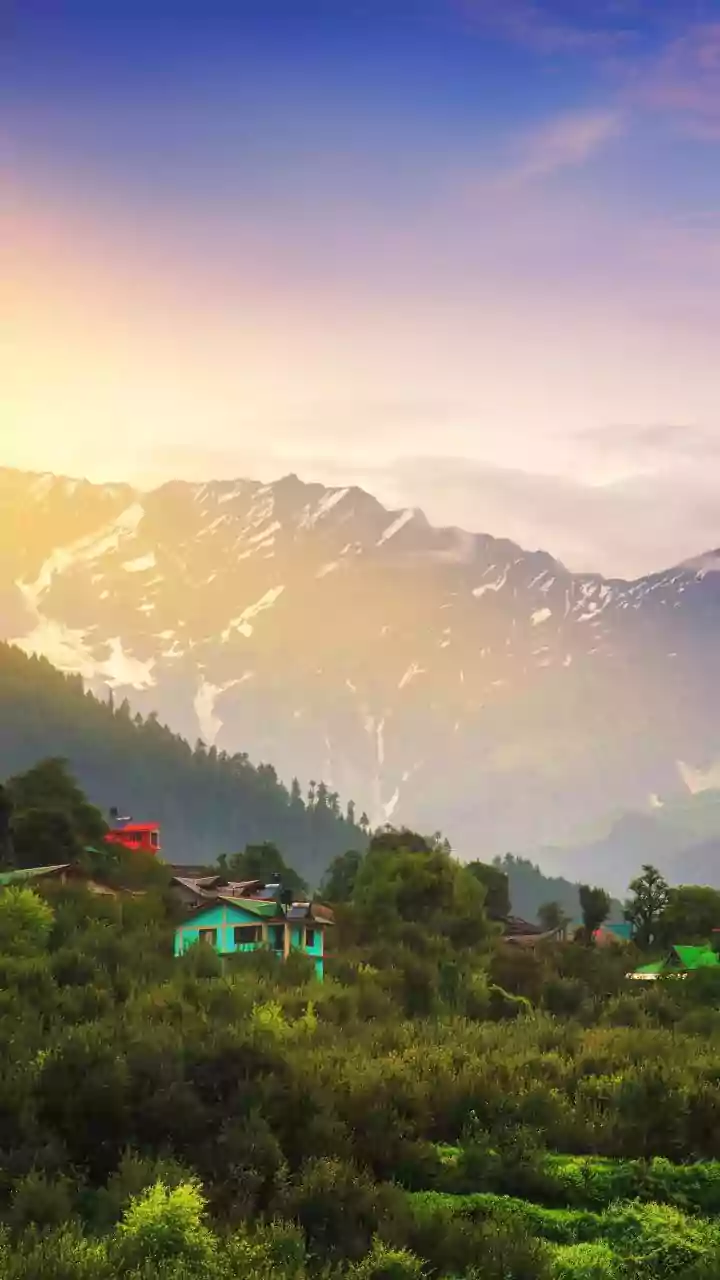
For destinations like Shimla and Manali, November offers a pleasant chill without the extreme conditions of Ladakh. It’s considered a moderate or shoulder season. In Manali, you can expect the onset of winter with temperatures dropping, especially after the sun sets. Daytime is often sunny and perfect for exploring. In Shimla, temperatures can range from 8°C down to -6°C, so cold weather is a certainty. Higher areas around Manali may see early snowfall, but the main towns remain accessible and far less crowded than in peak season. It's an excellent time for those who enjoy the quiet and crisp mountain air before the heavy winter snow arrives.
Uttarakhand: Rishikesh, Nainital, and Auli
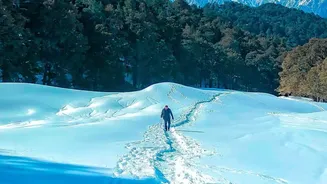
Uttarakhand in November provides a diverse weather profile. Lower-altitude spots like Rishikesh are mild, while hill stations like Nainital and Mussoorie will be cold, especially in the mornings and evenings. The post-monsoon clarity offers sharp views of Himalayan peaks like Nanda Devi and Trishul. Higher destinations such as Auli and Chopta will see temperatures nearing or dipping below freezing, and may even get their first dusting of snow. This month is ideal for trekking at lower to mid-altitudes, like the Deoriatal-Chandrashila trek, where days are pleasant (10-15°C) and nights are chilly.
Sikkim and Darjeeling: Clear Skies in the East
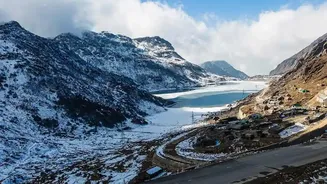
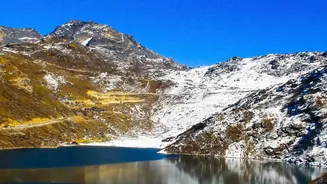
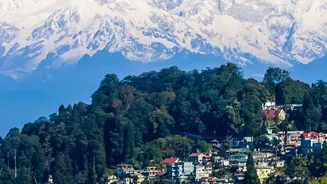
In the eastern Himalayas, November is one of the best times to visit. The monsoon has withdrawn, leaving dry weather and clear blue skies, perfect for viewing Kangchenjunga. In Darjeeling, expect temperatures to range from about 10°C to 18°C, offering a comfortable, cool climate. Similarly, Sikkim's weather is pleasant, with average temperatures between 10°C and 15°C during the day, though nights can drop to around 5°C. With low humidity and minimal rainfall, it's an excellent month for sightseeing and trekking before the more severe winter cold of December and January sets in.
Essential Packing: Layering is Key
No matter your destination, the golden rule for November is to pack layers. The unpredictable mountain weather means you can experience both warm sun and biting cold in one day. Your packing list should include: a moisture-wicking base layer (thermals), a warm mid-layer like a fleece jacket or a light sweater, and an insulated, padded outer jacket. For winter treks, at least five warm layers are recommended. Also essential are a warm hat (beanie), gloves, woollen socks, and sturdy, waterproof shoes. Sunscreen and sunglasses are non-negotiable, as the sun at high altitudes can be intense, even when it's cold. A good quality sleeping bag is also recommended if you're trekking or staying in budget accommodation where heating may be inadequate.