
Hibiscus
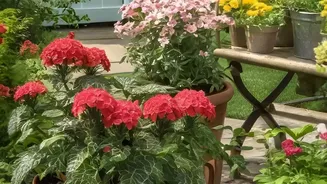
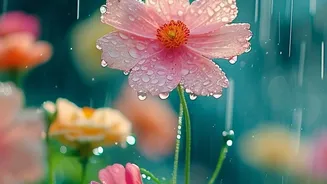
A staple in many Indian households, the Hibiscus shrub comes alive during the monsoon. These plants are known for producing large, vibrant blooms in shades of red, pink, and orange throughout the rainy season. They thrive in the high humidity and enjoy
the natural watering provided by the rain. The extra nitrogen in rainwater can even lead to more profuse flowering. Minimal intervention is needed; just ensure the pot has excellent drainage to prevent water from stagnating, and place it where it can receive about 4-6 hours of sunlight.
Ferns
Ferns, such as the Boston or Maidenhair varieties, are the quintessential monsoon plants. They naturally grow in humid, shaded environments, making the rainy season their ideal growing period. If your ferns looked tired and struggled through the dry summer heat, the monsoon humidity will likely cause them to explode with new, lush growth. They require very little from you, other than being placed in a spot with partial shade and indirect sunlight, like a covered balcony or a bright indoor corner. Their delicate fronds add a soft, tropical feel to any space.
Peace Lily (Spathiphyllum)
Peace Lilies are renowned for their ability to thrive in high humidity and moist conditions, making them a perfect indoor companion during the monsoon. These plants are quite forgiving and can tolerate damp soil better than many other houseplants. Their glossy, dark green leaves and elegant white blooms can brighten up any low-light corner of your home. While they enjoy moisture, it's still crucial to have them in a well-draining pot to avoid the risk of root rot in persistently waterlogged soil.
Jasmine (Mogra)
The fragrant Jasmine, or Mogra, thrives in the humid weather of the monsoon, producing an abundance of its iconic, sweet-smelling white flowers. The evening fragrance from a wet Mogra plant is a classic monsoon experience. It's a perennial that requires very little maintenance during this time, often flowering more intensely as the humidity rises. It's well-suited for balconies and home entrances where its scent can be appreciated. Just provide a well-draining pot and let the rain and humidity work their magic.
Money Plant (Pothos)
The hardy Money Plant is famously low-maintenance and adapts well to the monsoon season. Known for being forgiving, it can handle the occasional neglect and thrives in the increased humidity. Its trailing vines grow quickly during this time, making it perfect for hanging baskets or placing on shelves. While it is tolerant, ensure the soil is well-draining, as the plant can be prone to root rot if left in standing water for extended periods when grown in soil.
Balsam (Gul Mehendi)
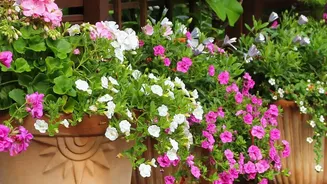
Balsam is a classic Indian monsoon annual that loves moist conditions. It's an easy-to-grow plant that produces vibrant flowers in shades of pink, white, and purple throughout the rainy season with minimal fuss. This plant is a true low-attention friend for your monsoon garden, often sown in June to provide continuous colour through to October with zero drama. It’s an excellent choice for pots and baskets where it can enjoy the frequent rain.
A Note on Drainage
While these plants are monsoon-friendly, the single most important factor for their survival is proper drainage. The biggest threat to potted plants during this season is root rot, which occurs when roots suffocate in waterlogged soil. Ensure every pot has working drainage holes. You can also improve drainage by using a light, airy potting mix containing ingredients like coco peat and sand. It’s also wise to empty the saucers under your pots after heavy rain to prevent plants from sitting in stagnant water.