


Moving Beyond the Eight-Glass Rule
The long-standing 'eight glasses a day' advice is a memorable but overly simplistic guideline. Recent science makes it clear that hydration is not a one-size-fits-all issue. How much fluid you need depends on a variety of factors, including your age,
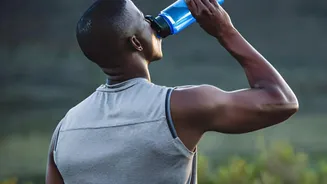
body size, activity level, and even the climate you live in. Someone working outdoors in the summer heat needs significantly more fluid than a person in an air-conditioned office. The new thinking encourages a shift from a fixed volume to a personalized strategy, urging us to listen to our bodies and understand our unique requirements.
The Crucial Role of Electrolytes
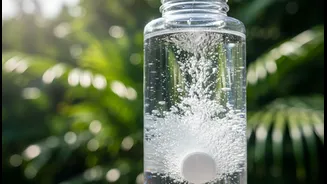
True hydration is about more than just water; it's about fluid balance, and that's where electrolytes come in. Electrolytes are essential minerals like sodium, potassium, and magnesium that carry an electrical charge when dissolved in water. They are vital for countless bodily functions, including regulating muscle contractions, nerve signals, and most importantly, managing the fluid inside and outside our cells. When we sweat, we lose not just water but also these crucial electrolytes. Simply chugging plain water without replenishing them can dilute the body's remaining electrolyte stores, a condition that in extreme cases is known as hyponatremia or water intoxication. Effective hydration means replacing both the water and the minerals lost.
Are You Actually Hydrated?
Thirst is a signal from your body, but it's often a late one—by the time you feel thirsty, you may already be mildly dehydrated. A more reliable and immediate indicator is the colour of your urine. Ideally, it should be a pale, light yellow colour, similar to lemonade. Dark yellow urine is a clear sign you need to drink more fluids, while completely clear urine might mean you're over-hydrated or drinking too much at once. Another quick check is the skin pinch test, or skin turgor test. Pinch the skin on the back of your hand; if it snaps back quickly, you're likely well-hydrated. If it returns slowly, it could be a sign of fluid loss.
India’s Traditional Hydration Wisdom
Long before sports drinks were invented, Indian households had mastered the science of hydration. Traditional drinks are not only refreshing but are naturally packed with the electrolytes needed to combat the heat. Nimbu pani, with its blend of lemon juice, water, salt, and sugar, is a perfect example of a natural electrolyte drink that helps the body retain fluid. Coconut water is another powerhouse, naturally rich in potassium and other electrolytes. Chaas (spiced buttermilk) and Aam Panna (raw mango drink) are also designed to cool the body, aid digestion, and replenish the salts and minerals lost through sweat. These age-old remedies are a testament to the idea that effective hydration is about balance, not just water.
Hydrate Smarter, Not Harder
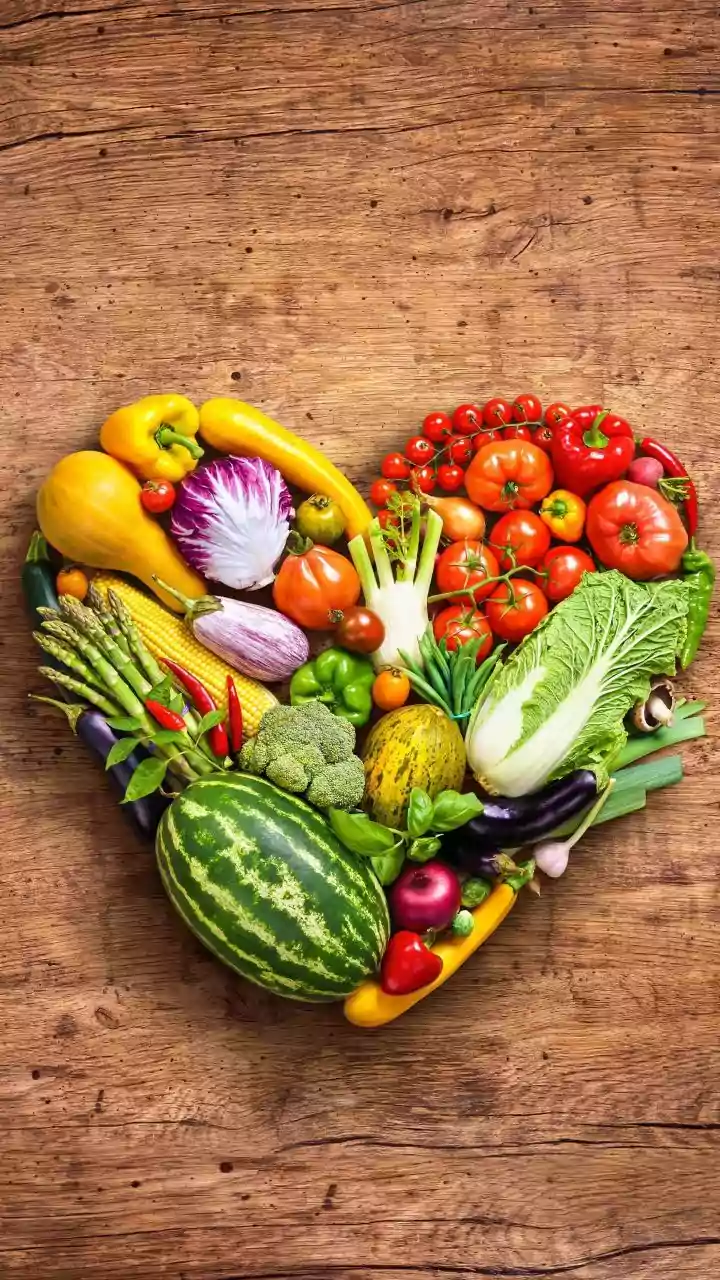
Adopting a science-backed hydration habit is about making small, intelligent adjustments. Instead of forcing down large quantities of water, aim to sip fluids consistently throughout the day. Incorporate water-rich foods into your diet; fruits like watermelon and vegetables like cucumber contribute to about 20% of your daily fluid intake. For moderate activity, water is usually sufficient. But for intense exercise lasting over an hour, or during periods of heavy sweating, a beverage containing electrolytes can help you rehydrate more effectively. This could be a commercial sports drink or a homemade solution like nimbu pani. Finally, it’s worth debunking a common myth: moderate consumption of caffeinated drinks like coffee or tea does not typically lead to dehydration for most people and can count towards your daily fluid intake.