






The Current Situation
Across states like Himachal Pradesh and Uttarakhand, the aftermath of intense rainfall isn't just soaked earth and swollen rivers—it's the blare of sirens and urgent text alerts. Authorities have been issuing warnings for flash floods, a recurring and deadly
threat in the Indian Himalayan Region. These aren't your typical river floods that build over days; they are sudden, violent surges of water, mud, and debris that can appear with terrifying speed, often in areas far downstream from the initial rainfall. The recent alerts are a stark reminder of the disasters that have struck the region, from the Kedarnath tragedy in 2013 to the frequent, devastating landslides that sever communication and claim lives each monsoon season.
Why Rain Triggers Sudden Floods Here
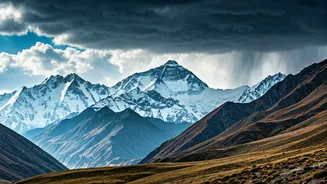
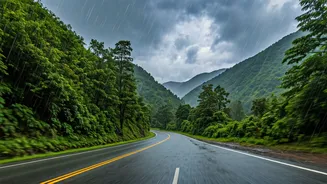
The term 'flash flood' perfectly captures its nature: rapid and unexpected. In the Himalayas, the process is brutally efficient. The steep, often barren slopes cannot absorb sudden, high-intensity rainfall. Instead of seeping into the ground, the water runs off almost instantly, funnelling into narrow valleys and stream channels. This torrent gathers speed and power, picking up loose soil, boulders, and uprooted trees, transforming from a simple stream into a destructive slurry. This process, known as a debris flow, moves with incredible force, capable of obliterating roads, bridges, and entire buildings that stand in its path. The soil is often already saturated from previous spells of rain, meaning even a moderate downpour can be the final trigger.
A Uniquely Fragile Landscape
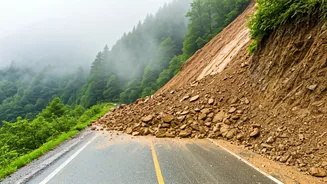
The Himalayas are, geologically speaking, young and restless. They are still rising and are composed of fragile, seismic-prone rock. This natural vulnerability has been dangerously amplified by human activity. Decades of deforestation for agriculture and construction have removed the natural tree cover that once helped bind the soil and absorb rainwater. Furthermore, the relentless construction of roads, dams, and towns—often without rigorous geological assessment—has destabilized entire hillsides. Cutting into slopes for road-building creates weak points, making them prone to landslides during heavy rain. These landslides can then block rivers, forming temporary dams. When these natural dams inevitably burst under the pressure of the rising water, they release a catastrophic flash flood downstream.
The Compounding Climate Factor
Climate change is acting as a threat multiplier. Warmer temperatures are causing Himalayan glaciers to melt at an alarming rate, forming vast, unstable lakes at high altitudes. A heavy rainfall event can trigger a landslide into one of these glacial lakes, causing a Glacial Lake Outburst Flood (GLOF)—a flash flood of unimaginable scale, as seen in the 2023 South Lhonak Lake disaster in Sikkim. Additionally, climate change is altering weather patterns, leading to more erratic and extreme rainfall. Instead of steady, prolonged showers, the region is experiencing more frequent bursts of intense, concentrated rain that overwhelm the landscape's capacity to cope.
Racing Against Time: Monitoring and Mitigation
Preventing these events entirely is impossible, so the focus is on prediction and preparedness. The India Meteorological Department (IMD) uses a network of weather stations and advanced Doppler radars to issue rainfall warnings. The Central Water Commission monitors river levels, and disaster management agencies at the state and national levels are responsible for disseminating alerts and coordinating evacuations. However, the sheer scale and remoteness of the Himalayas make comprehensive monitoring a monumental challenge. Many streams are un-gauged, and landslides can occur in unmonitored areas. The key to saving lives lies in strengthening these early warning systems, ensuring they reach the last mile, and, crucially, enforcing stricter regulations on construction and land use to build resilience for the future.