





The Pineapple Problem
Let’s be honest. The standard pineapple experience can be a bit of a gamble. You bring one home, full of hope, only to find it’s painfully tart, unpleasantly fibrous, or disappointingly bland. In a dessert, these flaws are magnified. An overly acidic
pineapple can curdle dairy, while a tough, woody texture can ruin the mouthfeel of a delicate pudding or cake. We often reach for canned pineapple, packed in syrup, as a shortcut to guaranteed sweetness, but in doing so, we sacrifice the vibrant, fresh flavour that makes pineapple so special in the first place. The truth is, not all pineapples are created equal, and for desserts, choosing the right one is everything.
Introducing the Main Character: Vazhakulam Pineapple
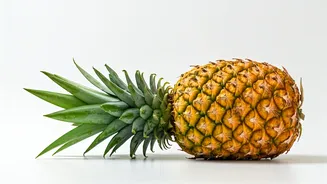
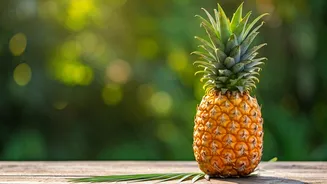
Enter the hero of our story: the Vazhakulam pineapple from Kerala. This isn't just any pineapple; it's a specific cultivar of the 'Mauritius' variety, so unique and renowned that it has been granted a Geographical Indication (GI) tag. This tag is a certification that guarantees its origin and quality, much like Champagne from France or Darjeeling tea. Known locally as 'Kannarachakka', this fruit is celebrated across India as one of the sweetest and most aromatic pineapples available. The town of Vazhakulam is often called 'Pineapple City' for good reason, as its surrounding regions produce this exceptional fruit.
What Makes It So Sweet?
The magic of the Vazhakulam pineapple lies in its distinct characteristics. It boasts an intensely sweet flavour, with a sugar content measured between 14-16 Brix, significantly higher than many other varieties. Crucially, this sweetness is perfectly balanced with low acidity (around 0.50-0.70%). This low acid content is what makes it a dream for dessert makers, as it won’t clash with other ingredients or cause issues like curdling. The flesh is a beautiful golden yellow, crisp but not fibrous, and it has a powerful, pleasant aroma that tells you you’re in for a treat before you even take a bite. These qualities are a direct result of the unique agro-climatic conditions and mineral-rich soils of the Vazhakulam region.
Putting It to a Delicious Use
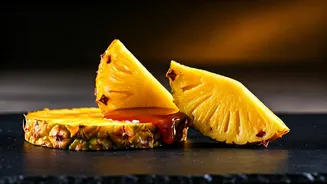
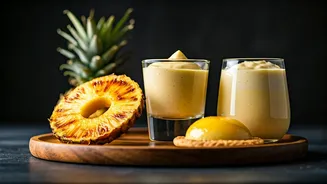
Now for the best part: how to use it. The Vazhakulam pineapple’s natural sweetness means it shines in a variety of desserts, both traditional and modern. It's the perfect choice for Pineapple Kesari (also known as Pineapple Sheera), where its flavour can infuse the entire semolina pudding. Its crisp texture holds up beautifully when grilled or caramelized, making for a simple yet elegant dessert when served with a scoop of coconut ice cream. For bakers, it’s a revelation in pineapple upside-down cake, providing a rich, jammy flavour without excess moisture. Other Indian sweets like Pineapple Halwa or even a Bengali-style Pineapple Sandesh are elevated by using this superior fruit. The low fibre content also makes it ideal for creating smooth, luscious sorbets and puddings.
How to Find and Choose the Best
To find this pineapple, you may need to look beyond the average supermarket. Seek out local fruit vendors, specialty food stores, or markets known for stocking produce from Kerala. When choosing one, look for a fruit that feels heavy for its size, which indicates juiciness. The skin should have a golden-yellow hue, though some green is perfectly fine. The most reliable test is your nose: a ripe Vazhakulam pineapple will have a noticeably sweet and tropical fragrance at its base. The leaves, or crown, should be fresh and green. Avoid fruits with soft spots, a fermented smell, or dried-out leaves, as these are signs it's overripe.