






Why The Monsoon Is A Risky Season For Foodies
The rainy season, while bringing relief from summer heat, creates a perfect storm for foodborne illnesses. The combination of high humidity and ambient moisture becomes an ideal breeding ground for harmful bacteria, viruses, and fungi. [4, 19, 28] Contamination
risks skyrocket as overflowing drains and polluted rainwater can easily compromise the water used by street vendors for cooking, cleaning, and making chutneys. [8, 14] This environment leads to a sharp increase in diseases like gastroenteritis, typhoid, cholera, and hepatitis A. [18, 22] Common bacteria such as E. coli and Salmonella thrive in these conditions, making improperly handled or stored food a significant health hazard. [19] The problem is so widespread that public health officials consistently warn about a spike in stomach infections during this time of year. [14, 20]
The Street Chaat Dilemma: To Eat Or Not To Eat?
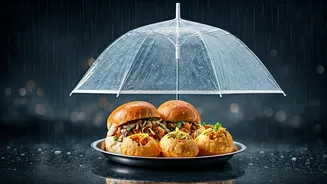
Telling someone to completely avoid street food during monsoon is often an unrealistic ask. [8] The allure of a spicy plate of pani puri or a crispy samosa is deeply embedded in our culture. [9] However, the risk is real. Street foods are often prepared in open environments, exposed to dust, flies, and contaminated water splashes. [4, 16] Dishes with raw ingredients, pre-cut fruits, and water-based items like the 'pani' in pani puri are especially risky. [8, 16] The key isn't necessarily total abstinence but rather informed caution. Understanding which foods are safer and what red flags to look for can empower you to make smarter decisions without completely giving up on your cravings.
Your Checklist for Safer Street Food
If you decide to indulge, a little vigilance goes a long way. First, choose your vendor wisely. Opt for popular stalls with long lines, as high turnover means the food is likely fresh and not sitting around. [15, 13] Observe the vendor’s hygiene: are their hands clean? Are they using gloves? Is the cart and surrounding area tidy? [3, 7] Avoid stalls where food is left uncovered, attracting flies and dust. [2, 23] The water source is critical. If a vendor is using murky water or you can't verify its source, it's best to walk away. [16] Finally, trust your gut; if a place feels off, it probably is. [15]
Making Smarter Chaat Choices
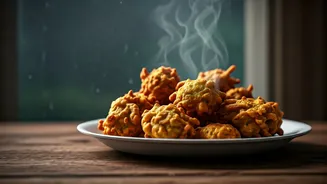
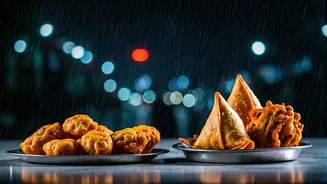
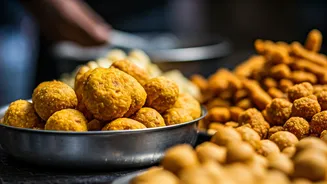
Not all chaat is created equal when it comes to monsoon safety. Your safest bet is items that are cooked at high temperatures right in front of you. [5, 15] Freshly deep-fried snacks like samosas, kachoris, or aloo tikkis are generally safer because the hot oil kills most bacteria. [5, 10, 23] Steamed items like momos or idlis, served piping hot, are also good options. [11, 23] The riskiest choices are those involving uncooked ingredients or items that have been sitting at room temperature. [8] This includes dahi puri, where the yogurt may spoil quickly in the humidity, and anything with raw chutneys, uncooked sprouts, or pre-cut vegetables. [3, 8, 16, 20] It's best to skip raw chutneys altogether or choose vendors who prepare them fresh. [3, 8]
The Pani Puri and Chutney Trap
Pani puri, arguably the king of chaat, is also one of the riskiest monsoon snacks. The primary culprit is the water (pani), which is often made with untreated tap water and can become a breeding ground for bacteria causing typhoid, cholera, or jaundice. [8, 17, 26] Chutneys, especially the liquidy green and tamarind ones, face the same issue as they are often diluted with the same questionable water and can spoil if left out. [16, 25] During the rains, it's safest to avoid pani puri from street stalls unless you are absolutely confident in the vendor's hygiene standards and water source. [8, 16] Even pre-cut fruits sold by vendors should be avoided, as they are often washed in contaminated water and exposed to the humid air. [2, 4]
The Safest Bet: Become a Chaatwala at Home
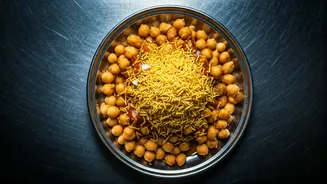
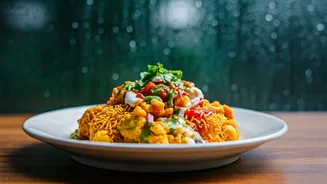
The ultimate way to enjoy monsoon chaat without worry is to prepare it at home. [4, 16] This puts you in complete control of the ingredient quality and hygiene. You can ensure that all vegetables are washed thoroughly with clean water, the chutneys are freshly prepared, and every component is handled safely. [4] Recreating classics like bhel puri, papdi chaat, or even peanut chaat at home can be a fun activity. [21] You can even make healthier versions by baking items like samosas or using air-fried papdis, ensuring your monsoon indulgence is both delicious and safe. [24, 29]