





The Search for Something Real
Imagine a valley floor blanketed in a patchwork of emerald-green rice paddies, fringed by dense pine forests and home to a community that has practiced sustainable agriculture for centuries. This is Ziro Valley in Arunachal Pradesh, India, a destination
that embodies the very essence of why travelers are rethinking their vacation habits. Unlike heavily commercialized mountain resorts, where the experience can feel generic and transactional, places like Ziro offer a deep dive into a unique living culture. It’s home to the Apatani tribe, a community known for its harmonious relationship with nature, intricate handlooms, and a unique system of farming both rice and fish in the same fields. This kind of immersive, authentic experience is becoming the new luxury for travelers weary of the 'theme park' feel of many popular tourist hubs.
From Overtourism to Mindful Travel
The travel industry is grappling with 'overtourism'—the phenomenon where popular destinations are loved to death, leading to environmental strain, pressure on local infrastructure, and a diminished experience for both visitors and residents. Crowded slopes, long lines, and inflated prices are pushing travelers to seek alternatives. This has fueled the rise of 'slow travel,' a philosophy that encourages deeper connections with a single place rather than rushing through a checklist of attractions. It’s a more mindful approach that prioritizes mental well-being and reducing one's environmental footprint. By choosing less-trafficked destinations, travelers can contribute to smaller, local economies and feel they are part of a more sustainable tourism model, rather than just another face in the crowd.
Quiet Doesn't Mean Boring
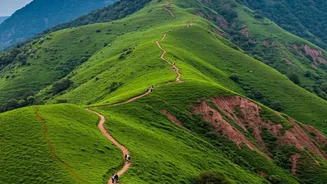
The appeal of a 'quiet' spot isn't about a lack of things to do; it’s about a different quality of engagement. Ziro Valley, for instance, hosts the Ziro Festival of Music, an internationally recognized four-day event that draws independent music acts from across the globe. Set against the stunning backdrop of rice fields, the festival is celebrated for its eco-friendly ethos, using locally sourced bamboo for stages and promoting a zero-plastic policy. It’s a vibrant, energetic event that remains deeply rooted in its community and environment. This blend of dynamic culture and natural tranquility is what sets these destinations apart. Travelers can spend他們的days trekking to scenic viewpoints like Kile Pakho, exploring wildlife sanctuaries, or simply walking through traditional villages, followed by evenings of world-class music or quiet reflection.
A Different Kind of Escape
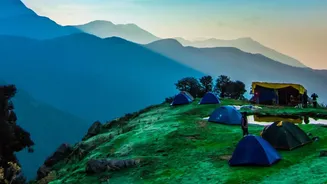
Ultimately, the shift toward places like Ziro reflects a broader change in what people seek from a vacation. After years of fast-paced, hyper-connected life, the desire for genuine disconnection and mental rejuvenation is stronger than ever. Crowded resorts often replicate the stress and noise of daily life, just in a different setting. In contrast, quiet destinations offer the space to breathe and unwind. The appeal lies in the simplicity: waking up to mountain views instead of notifications, replacing traffic noise with the sounds of nature, and swapping rushed schedules for unhurried exploration. It’s less about escaping from life and more about reconnecting with it in a more meaningful, restorative way.