



The Heart of the Feast: Dairy Essentials
Lord Krishna’s childhood tales are filled with his love for milk, butter, and other dairy products, making them central to any Janmashtami bhog (offering). Stocking up on high-quality dairy is the first step. You will need full-fat milk, which forms the base
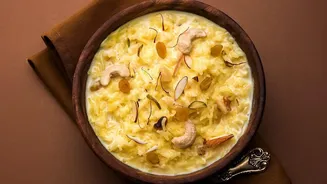
for numerous sweets like Kheer (rice pudding), Rabri (thickened sweet milk), and the holy Panchamrit. Fresh, unsalted white butter is essential for making Makhan Mishri, arguably Krishna's most cherished treat, which simply combines butter with rock sugar. Curd (yogurt) is another key component, used not only in Panchamrit but also in savory dishes like Gopalkala. Finally, don't forget ghee (clarified butter), which is the primary cooking medium for most prasad items, lending its distinctive aroma and purity to sweets and savories alike.
Flours for Fasting and Feasting
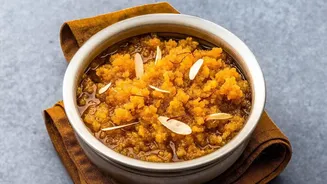
Many devotees observe a fast (vrat) on Janmashtami, abstaining from grains. Therefore, a variety of non-grain flours are essential. Stock up on Singhara Atta (water chestnut flour), Kuttu Atta (buckwheat flour), and Rajgira Atta (amaranth flour). These are used to make puris, parathas, and cheelas that can be consumed during the fast. For those not fasting or for the main bhog, whole wheat flour is needed for dishes like Panjiri, a nutritious sweet made with roasted flour, ghee, and nuts. Sabudana (tapioca pearls) is another fasting staple, perfect for making Sabudana Khichdi or crispy vadas. Similarly, Samak rice (barnyard millet) is a popular rice substitute for preparing vrat-friendly pulao or khichdi.
Sweeteners for Prasad
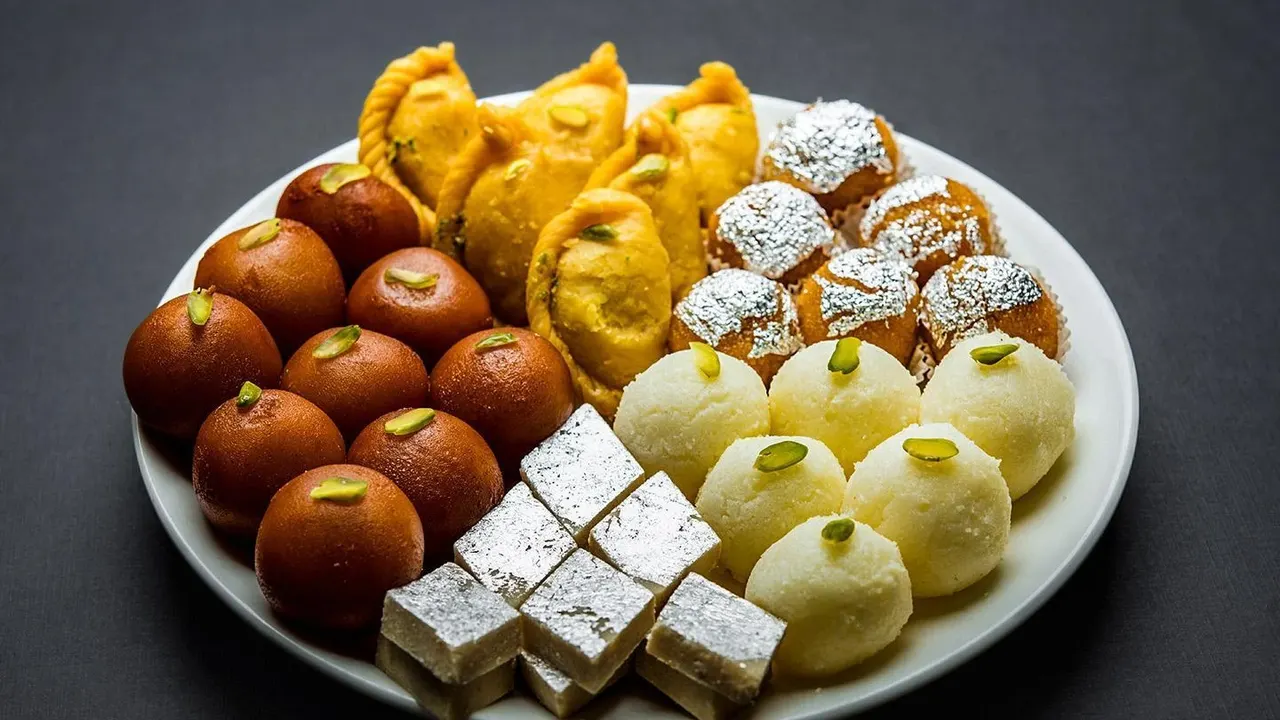
Sweets are an indispensable part of the Janmashtami menu. For the offerings, it is traditional to use less refined sweeteners. Keep a good supply of Mishri (rock sugar), which is used for Makhan Mishri and Panchamrit. Powdered sugar or Boora is needed for sweets like Dhaniya Panjiri and various Ladoos. Jaggery is often used in South Indian preparations like Sweet Poha (Aval). Of course, regular granulated sugar is also necessary for a wide range of sweets, from Kheer to syrupy delights like Malpua and Gulab Jamun. Honey is one of the five nectars in Panchamrit, so having a small bottle on hand is important.
Spices, Nuts, and Flavorings
Aromatic spices and rich dry fruits elevate the festive dishes. For sweets, the most important spice is green cardamom powder (elaichi), used in nearly every dessert from Kheer to Peda. Saffron strands add color and fragrance to rice dishes and sweets. Coriander seed powder is the star ingredient for Dhaniya Panjiri, a unique prasad made specifically for this festival. For savory fasting dishes, you will need Sendha Namak (rock salt), cumin seeds, black peppercorns, and green chillies. Remember that sattvic cooking for bhog traditionally excludes onions and garlic. A generous assortment of nuts and dried fruits is also a must. Stock up on almonds, cashews, pistachios, and raisins for garnishing sweets and adding to Panjiri. Makhana (fox nuts) are particularly significant; they can be roasted for a simple snack, added to Panjiri, or used to make a creamy Makhana Kheer.
Fresh Produce and Other Essentials
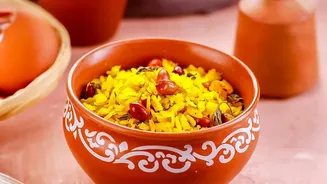
While dairy and sweets take center stage, fresh produce is also important. Bananas, apples, pomegranates, and guava are commonly offered as part of the bhog. Coconuts, both fresh and dried, are widely used in grated form for sweets like Ladoos and Barfis. Potatoes are a fasting-friendly vegetable used in many savory preparations like Sabudana Khichdi and vrat-friendly sabzis. Cucumbers are used to make the refreshing Gopalkala, a savory poha dish. Poha (flattened rice) is the main ingredient for Gopalkala and can also be used to make sweet preparations. Finally, ensure you have fresh Tulsi (holy basil) leaves, as no offering to Krishna is considered complete without one placed on each dish.