





The 'When' and 'Where' of Rainfall
The most critical factor beyond total rainfall is its distribution—both in terms of geography and timing. A strong national average can hide severe deficits in key agricultural regions. Crops need moisture at specific growth stages, so a few days of intense
downpour followed by a long dry spell can be more damaging than slightly below-average but consistent rain. This uneven spread is a major concern; some districts might face flood-like situations while others in the same state struggle with a lack of moisture, disrupting sowing schedules and stressing young plants.
The Irrigation Safety Net
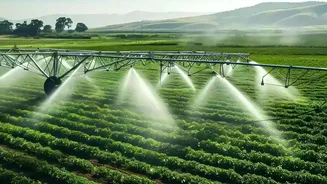
Massive national averages mean little to a farmer whose land is parched. This is where irrigation becomes a crucial buffer. Regions with robust canal networks, recharged groundwater, and accessible tube wells are significantly less vulnerable to the monsoon's unpredictability. About 60% of India's net sown area is still rain-fed, making these areas highly dependent on the monsoon's performance. Improving irrigation infrastructure is a key strategy for de-risking agriculture, ensuring water availability during critical dry spells and providing a lifeline when the rains are delayed or deficient.
Policy, Prices, and Farmer Decisions
The harvest outcome is also shaped by decisions made long before the first seeds are sown. Government policies, especially the Minimum Support Price (MSP), influence what crops farmers decide to plant. Market signals and the prices of key inputs like seeds, fertilisers, and diesel also play a major role. Soaring input costs can squeeze farmers' profitability, impacting their ability to invest in better seeds or crop protection measures. Furthermore, government support mechanisms like crop insurance schemes and timely advisories can make a significant difference in helping farmers mitigate risks associated with unpredictable weather.
The Battle Against Pests and Disease
A good monsoon, with its associated humidity, can create ideal conditions for pests and diseases to thrive. Common threats during the Kharif season include stem borers in paddy, bollworms in cotton, and various fungal diseases that can devastate a standing crop if not managed effectively. Therefore, a farmer's access to effective pest management strategies, from traditional knowledge to modern crop protection products, is another vital component for securing the final yield. A healthy monsoon can be undone by a widespread pest attack.
Technology and Seed Quality
The type of seeds used is a fundamental determinant of yield. The adoption of high-yielding, climate-resilient, and early-maturing varieties can significantly improve outcomes. These varieties are often better equipped to handle short-term moisture stress or can complete their life cycle before a late-season drought takes hold. Additionally, technological advancements, from satellite monitoring of crop health to digital platforms providing weather advisories, are increasingly playing a role in helping farmers make more informed decisions throughout the growing season, from sowing to harvest.