








The Kitchen's Unlikely Superstar
For generations, kathal, or jackfruit, has been a familiar sight in Indian kitchens, often simmered into a spicy sabzi or layered into a flavourful biryani. But lately, this spiky green giant has been getting a modern makeover. It has become the darling
of the plant-based food movement, celebrated for its unique, meat-like texture when unripe. When cooked and shredded, it bears a striking resemblance to pulled pork or chicken, making it a fantastic and natural substitute in everything from burgers to tacos. This isn't just a Western trend making its way to India; it's a rediscovery of an indigenous ingredient, embraced by chefs and home cooks for its incredible adaptability and delicious potential.
More Than Just a Meat Alternative
While its texture is getting all the attention, the health benefits of kathal are just as compelling. Raw jackfruit is low in calories but high in dietary fibre, which aids digestion and keeps you feeling full for longer. It is packed with essential nutrients, including Vitamin C to boost your immune system, and potassium, which is great for heart health. Unlike many other starchy foods, it has a relatively low glycemic index, meaning it doesn't cause sharp spikes in blood sugar, making it a smart choice for those managing their sugar levels. So, whether you are a dedicated vegetarian or just looking to add more plant-based meals to your diet, kathal offers a powerful nutritional punch.
From Traditional Sabzi to Trendy Tacos
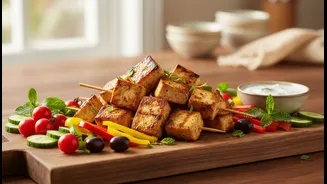
The true beauty of the kathal trend lies in its versatility. You don’t have to give up the classics to embrace the new. The traditional kathal ki sabzi, with its rich, spiced gravy, remains a comforting favourite in North Indian homes. But why stop there? The fibrous texture of raw jackfruit makes it perfect for soaking up marinades and smoky flavours. Try making pulled kathal for sandwiches by slow-cooking it with barbecue sauce until tender. You can use it as a filling for savoury pies, mince it for kebabs, or cube it for a hearty Kathal Biryani that could rival its meaty counterpart. This ability to bridge culinary worlds is what makes cooking with kathal so exciting right now.
Your Guide to Buying and Prepping
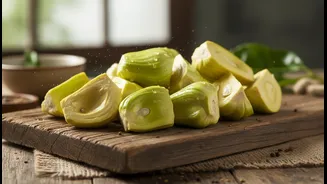
Getting started with kathal can seem intimidating, but it's easier than you think. When you're at the market, remember there are two types: ripe and raw. Ripe jackfruit is sweet and eaten as a fruit. For cooking savoury dishes, you need the unripe, green kathal. The biggest challenge is the sticky sap released when you cut it. The trick is to generously oil your hands and the knife before you start chopping. If that sounds like too much work, you're in luck. Many vendors now sell pre-cut jackfruit pieces, and you can also find canned or frozen raw jackfruit in brine at most supermarkets, which is a convenient, mess-free option.
A Simple Recipe to Get You Started
Ready to try it? Here’s a simple way to prepare kathal for tacos or sandwiches. Start with about 500g of raw, chopped kathal (canned works perfectly; just drain it well). In a pan, sauté one chopped onion until soft. Add ginger-garlic paste, a teaspoon of cumin powder, and a teaspoon of smoked paprika, and cook for another minute. Add the jackfruit pieces, a splash of water, and salt to taste. Cover the pan and let it simmer on low heat for about 20-25 minutes, or until the jackfruit is tender enough to be easily mashed with a fork. Once cooked, use two forks to shred the pieces. You can mix in your favourite barbecue or hot sauce and serve it on toasted buns or in warm tortillas with a fresh slaw.