

The Joyful Benefits of Freestyle Dance
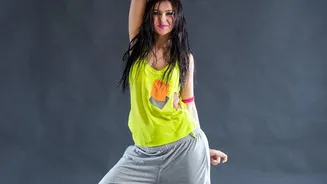
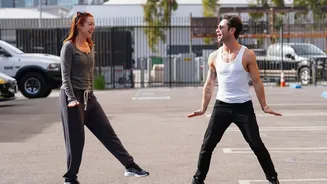
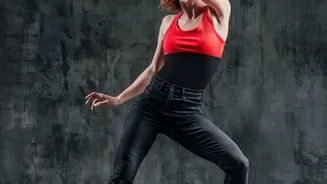
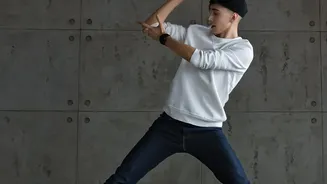
Freestyle dancing is more than just a fun way to pass the time; it's a powerful workout for both body and mind. Physically, it's a fantastic low-impact cardio exercise that improves heart health, flexibility, and coordination. Unlike running, it's gentle
on the joints, making it a great starting point for fitness beginners or those recovering from injury. Mentally, the benefits are just as significant. Moving freely to music has been shown to release endorphins, the brain's 'feel-good' chemicals, which can instantly improve your mood and reduce anxiety. Studies on conscious dance, a form of unchoreographed movement, found that a vast majority of participants with depression or anxiety reported significant mental health benefits, feeling more present and confident. It’s a form of moving meditation that allows for self-expression and helps you let go of distressing thoughts.
Creating Your Personal Dance Space
You don't need a professional studio to start dancing at home. The most important thing is creating a safe, clear space. Look for an area in your living room, bedroom, or even garage where you can move freely without bumping into furniture. Aim for at least six feet of clear space in all directions. The floor surface is crucial for preventing injury. Hard surfaces like concrete or tile can be tough on your joints, so consider investing in interlocking foam mats if needed. If you're on a smooth wood floor, avoid dancing in socks, which can be slippery; bare feet or proper dance shoes are safer. Good lighting can also boost your motivation. If you can, set up a mirror to check your form, but don't get too self-conscious—the goal is to feel the movement, not perfect it.
Building the Perfect Freestyle Playlist
Music is the engine of your workout. A great playlist can make the difference between a sluggish session and one that flies by. The key is to match the music's tempo, or beats per minute (BPM), to your energy levels. Start your session with a warm-up playlist of slower songs, around 90-110 BPM. For the main part of your workout, aim for steady cardio tracks between 128-140 BPM. Finally, cool down with slower, calming music around 60-80 BPM. Don't be afraid to mix genres to keep things interesting. For a high-energy session, pop hits from artists like Dua Lipa or Bruno Mars are great choices. Latin rhythms from Zumba playlists, such as songs by Don Omar or J Balvin, are also fantastic for getting your heart rate up. To add a local flavour, create a playlist of Bollywood or Bhangra beats. Tracks like 'Malhari' or 'Kala Chashma' are guaranteed to make you want to move.
Structuring Your At-Home Session
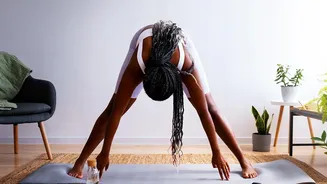
While 'freestyle' means no rules, having a simple structure can make your workout more effective and safer. A typical session can be broken into three parts: warm-up, main workout, and cool-down. Begin with a 5-minute warm-up of light cardio, like jogging in place, and dynamic stretches like hip rolls to prepare your body for movement. For the main workout, aim for 20-30 minutes of continuous dancing. Let the music guide you. There are no 'right' or 'wrong' moves. If you feel stuck, start with simple actions like shifting your weight from one foot to the other, marching in place, step-touches, or gentle knee lifts. As you get comfortable, you can add arm movements or change directions. Finally, dedicate the last 5-10 minutes to a cool-down. Choose a slow song and focus on gentle stretching to help your body recover.
Making It a Joyful Habit
The key to consistency is enjoyment. Freestyle dancing is a workout that shouldn't feel like a chore. To make it a regular habit, start small with 15-20 minute sessions a few times a week. As your stamina and confidence grow, you can gradually increase the duration. Don't pressure yourself to perform perfectly. The goal is self-expression and finding joy in movement. Some days you might have a high-energy session, while on other days, you might just want to sway gently to the music. Both are valid. Listening to your body is essential. By removing the pressure of choreography and focusing on how the movement feels, you are more likely to stick with it and reap the long-term physical and mental rewards.