






The In-Cabin vs. Cargo Divide
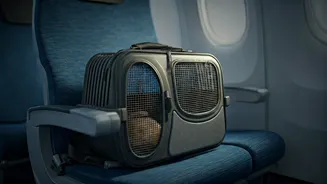
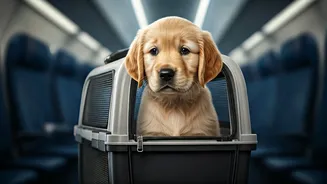
The first major decision is where your pet will fly: in the cabin with you or in the pressurised, climate-controlled cargo hold. In India, this largely comes down to size and airline policy. Airlines like Air India and Akasa Air have become popular with pet parents
by allowing small pets in the cabin. Generally, if your pet and its soft-sided carrier weigh under 10 kg, they may be eligible to travel under the seat in front of you. However, slots are extremely limited—often just two pets per flight—so you must book well in advance. For larger pets, the cargo hold is the only option. This involves a hard-sided, IATA-compliant crate and a separate booking process. IndiGo, for instance, primarily uses its cargo service for pets, with limited in-cabin options on domestic routes.
The Paperwork Marathon
Gone are the days of just showing up with a leash. Today, flying with a pet requires a folder of documents. At a minimum, every domestic airline in India will require a recent “fit-to-fly” health certificate from a registered veterinarian, typically issued no more than 10 days before your travel date. You will also need an up-to-date vaccination record, proving their rabies and other core shots are current. For international travel, the complexity skyrockets, involving microchipping, potential quarantine, and specific entry permits for the destination country. Think of it as a passport for your pet; every stamp and signature must be perfect, or your travel plans can be grounded at the check-in counter.
Crate Expectations and Carrier Rules
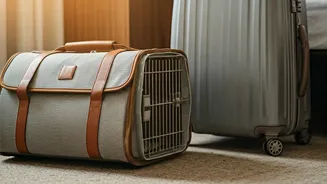
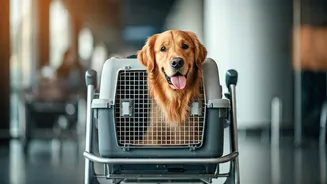
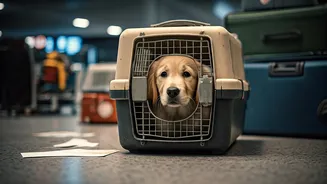
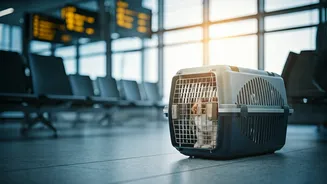
The carrier you use is no longer just a bag—it's a critical piece of equipment with strict specifications. For in-cabin travel, you'll need a soft-sided, leak-proof carrier that is well-ventilated and fits the specific under-seat dimensions of the airline, which can vary. For pets travelling in the cargo hold, a hard-sided, IATA-compliant crate is mandatory. These crates must be large enough for the pet to stand, turn around, and lie down comfortably, and must be secured properly. Airlines are increasingly strict about these rules, as the safety and well-being of the animal during the flight depend on it. Investing in the right carrier and getting your pet accustomed to it weeks before the flight is a non-negotiable step.
Breed Restrictions and Blackout Periods
Not all pets are cleared for takeoff, even with the right paperwork. Brachycephalic (snub-nosed) breeds like Pugs, Bulldogs, Boxers, and Persian cats face significant restrictions. Due to their compressed airways, these breeds are at higher risk of respiratory issues at high altitudes, and most airlines will not accept them in the cargo hold. Some may be allowed in the cabin if they meet the size and weight limits, but this is decided on a case-by-case basis. Additionally, airlines enforce seasonal embargoes, refusing to transport pets in cargo during periods of extreme heat to prevent heatstroke on the tarmac. This can disrupt travel plans, especially during the summer months.
The Real Cost of a Furry Co-Passenger
Flying your pet is not cheap, and the fees go far beyond your own ticket price. For domestic in-cabin travel in India, fees can range from ₹4,000 to ₹7,500 per segment. If your pet travels in the cargo hold, the cost increases significantly, often based on the volumetric weight of the crate. For international flights, these costs can escalate dramatically, with fees potentially running from ₹30,000 to over ₹2,00,000, depending on the route, airline, and size of the pet. This doesn't include the cost of vet visits, certification, or purchasing the specialised carrier. It's crucial to budget for these expenses as a significant part of your total travel cost.