


The Power of Fibre
Before we dive into the swaps, let's talk about why fibre is so important. Dietary fibre, found mainly in plant-based foods, is crucial for maintaining good health. It aids digestion, helps prevent constipation, and can contribute to a feeling of fullness,
which can assist with weight management. A high-fibre diet is also associated with a lower risk of several chronic conditions, including heart disease and type 2 diabetes, by helping to regulate blood sugar and cholesterol levels. While Indian diets are rich in vegetables and lentils, modern food processing and eating habits have sometimes reduced our natural fibre intake. The goal is to bring it back, one meal at a time.
Swap White Rice for Millets or Brown Rice
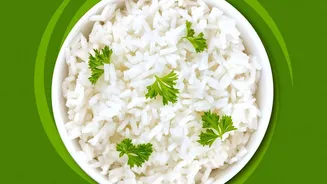
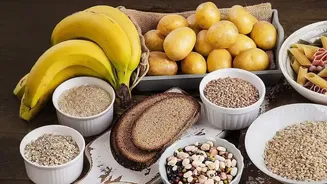
White rice is a staple, but the refining process strips away most of its fibre. A simple yet effective swap is to replace white rice with millets like jowar (sorghum), bajra (pearl millet), or ragi (finger millet). Millets are traditional Indian grains that are making a well-deserved comeback. They are packed with fibre, protein, and essential minerals. You can use millets to make khichdi, upma, dosa, or simply serve them as a side dish instead of rice. If you're not ready to give up rice completely, switching to brown rice is another excellent option. It retains its fibrous bran layer, offering more nutrients than its polished white counterpart.
Choose Whole Wheat Atta Over Refined Flour
The daily roti or chapati is another area ripe for a fibre upgrade. While many households use whole wheat atta, ensuring it's genuinely 'whole' is key. Some packaged flours are heavily processed. Look for 100% whole wheat or even multigrain atta that includes millet flours like jowar or bajra. When buying bread, don't be fooled by the colour; brown bread isn't always whole grain. Check the ingredients list to ensure 'whole wheat flour' is the first item. Using whole grains ensures you get the entire kernel — the bran, germ, and endosperm — which provides a complete package of fibre, B vitamins, and minerals that are lost during refining.
Embrace Whole Pulses and Legumes
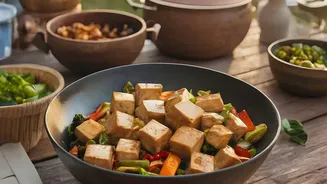
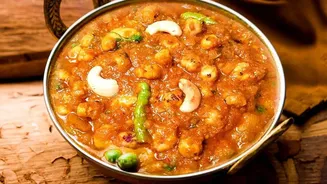
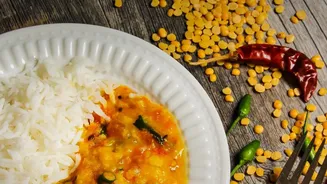
Dal is a cornerstone of Indian cuisine and an excellent source of fibre and protein. To maximize the benefits, try incorporating whole pulses in addition to split lentils (dal). Whole versions like black chana (kala chana), kidney beans (rajma), and whole moong retain more fibre than their split and skinned counterparts. A great strategy is to fill a quarter of your plate with a legume-based dish. You can add them to curries, make sprout salads, or toss them into your pulao. Even adding a handful of beans or chickpeas to meat-based dishes is an easy way to boost fibre.
Increase Your Vegetable and Fruit Intake
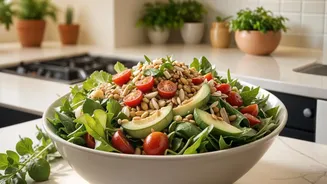
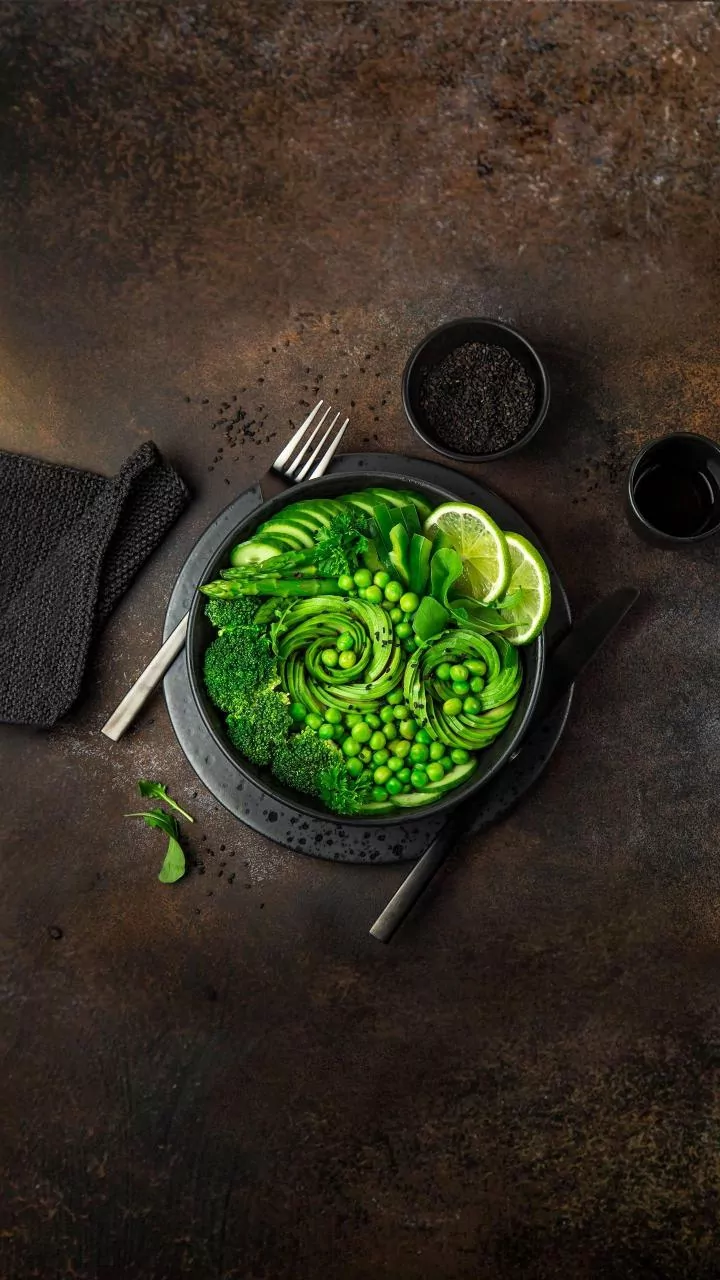
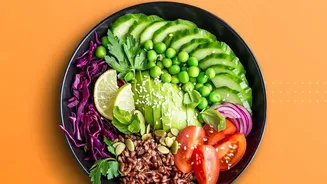
This might seem obvious, but the execution matters. Aim to fill half your plate with vegetables at lunch and dinner. Don't just stick to potatoes. Include a variety of fibre-rich vegetables like okra (bhindi), spinach (palak), green peas (matar), beans, and sweet potatoes. A simple kachumber salad with your meal adds raw fibre. When it comes to fruit, eat them whole instead of drinking juice. Juicing removes the fibre, which is one of the most beneficial parts. Snacking on fruits with edible skins, like apples and guavas, is a fantastic way to get an extra dose of fibre between meals.
Rethink Your Snacks and Breakfast
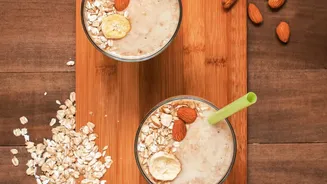
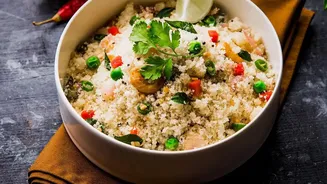
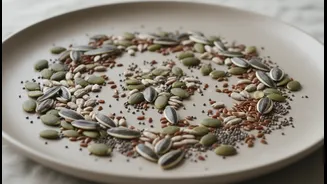
Many popular packaged snacks are made from refined flour and are low in nutrients. Swap them for high-fibre alternatives like roasted chana, makhana (fox nuts), or a simple sprout salad. For breakfast, instead of options made with refined flour, consider oats upma, vegetable daliya, or a porridge made from millets. Even small additions count. Sprinkling a teaspoon of flaxseeds or chia seeds over your dahi, porridge, or poha is an almost unnoticeable change that adds a significant fibre punch.