





The Monsoon's Long Shadow
The primary cause of the current rural distress is a weak 2026 monsoon, which has been described as the driest in over a decade. With rainfall ending up significantly below the long-period average, the impact on agriculture has been direct and severe.
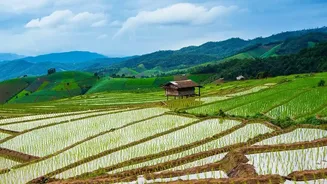
The deficient and uneven rains have negatively affected the sowing of the crucial Kharif crops and, more alarmingly, depleted reservoir levels needed for the upcoming Rabi season. For a country where nearly half the workforce depends on agriculture, a poor monsoon translates directly into lower crop yields and, consequently, reduced farm incomes. This pressure on the primary source of rural wealth is the foundation of the current consumption slowdown.
Barometers of Distress
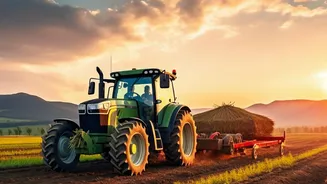
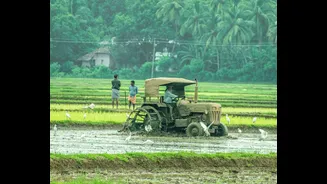
The strain on rural wallets is most visible in the sales data for key goods. Tractor sales, a reliable indicator of rural economic health and sentiment, have plummeted. In September, India's largest tractor manufacturer, Mahindra & Mahindra, reported a staggering 21% drop in sales, while its rival, Escorts Kubota, saw a 16.7% decline. This signals that farmers are holding back on big-ticket purchases. Beyond large assets, the slowdown is also reflected in household finances. Nominal rural wage growth slowed to a multi-year low, and when adjusted for inflation, real rural wages have actually contracted, further squeezing purchasing power. Economists have noted that this combination of lower farm incomes and rising rural indebtedness is hurting demand for a wide range of goods and services.
A Tale of Two Indias
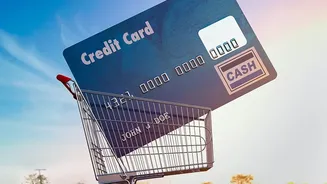
This rural slowdown is creating what experts are calling a 'two-speed' consumption story. While rural and semi-urban markets are showing clear signs of stress, demand in urban centres and for premium products appears to be far more resilient. This divide is forcing companies to navigate a fractured market. The urban consumer, often with a more stable, non-agricultural income, continues to spend, buoyed by easier access to retail financing and a wider array of available products. However, for companies that have spent years building deep distribution networks in the hinterlands, the caution of the rural consumer is a significant headwind heading into the most important sales period of the year.
Glimmers of Hope Amidst the Gloom
Despite the underlying weakness, the outlook for the festive season isn't entirely bleak. Overall forecasts predict that festive sales could grow by 25-29% in 2026, crossing the ₹1,50,000 crore mark. Interestingly, this growth is expected to be driven by a higher number of transactions rather than higher-value purchases, suggesting a volume-led season. More pointedly, the latest data for the quarter ending in September offers a surprising green shoot. After a period of decline, Fast-Moving Consumer Goods (FMCG) sales in rural markets saw a sharp, double-digit recovery. This suggests that while big purchases are on hold, spending on smaller, everyday items picked up as the festive mood began, offering a glimmer of hope for consumer goods companies.
A Litmus Test for the Economy
The conflicting signals make the 2026 festive season a critical litmus test for the Indian economy. For many businesses, particularly in the auto, consumer durables, and FMCG sectors, this period will determine their performance for the entire financial year. Retailers and brands are heading into the season with a mix of optimism and caution, expecting double-digit growth but aware of the risks of overstocking if rural demand fails to materialize beyond small-ticket items. Companies are banking on festive discounts, new launches, and targeted marketing to persuade cautious consumers to open their wallets. The results will not only impact corporate balance sheets but also provide a clearer picture of the Indian consumer's true health.