




Go Local and Seasonal
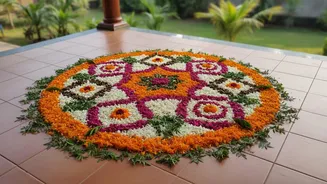
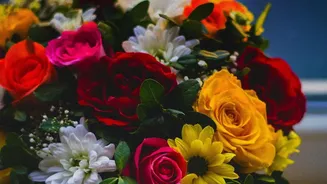
The most authentic Pookkalam is one that uses flowers from the land. Traditionally, flowers like Thumba (Lucas Aspera), Chethi (Ixora), Mukkutti, and Shankhupushpam were plucked from backyards. Opting for locally sourced and seasonal flowers like marigolds
and jasmine not only reduces the carbon footprint associated with transporting exotic blooms but also supports local farmers. This approach connects your celebration directly to the harvest spirit of the festival, filling your home with natural fragrance and traditional charm.
Think Beyond the Petal
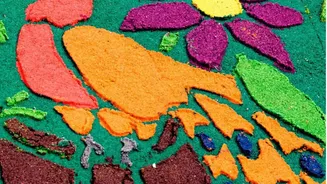
A stunning Pookkalam doesn't have to be made exclusively of flowers. Ancient practices often incorporated a variety of natural materials. Get creative by using colourful leaves, both fresh and fallen, to add texture and shades of green and brown. Coloured rice, turmeric powder, and even pulses or lentils can be used to create intricate and vibrant patterns. These alternatives are not only budget-friendly but also fully biodegradable, adding a rustic and earthy touch to your design.
Create a 'Living' Pookkalam
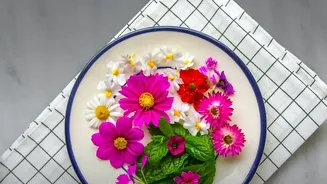
For a truly zero-waste option, consider designing a 'living' Pookkalam. Instead of using cut petals, arrange small potted plants and succulents to form your desired pattern. You can use colourful flowering plants for vibrant hues and different types of foliage for texture. This unique approach creates a beautiful, three-dimensional effect. The best part? After the festivities are over, you don't have any waste. Each plant can be returned to your garden or kept as a living memento of the celebration.
Embrace Mindful Designs
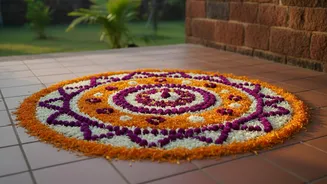
Beauty doesn't always lie in scale. Instead of a sprawling design that requires a large quantity of flowers, opt for a smaller, more intricate pattern. Compact circular or geometric designs can be incredibly striking and elegant. By focusing on the detail and precision of a smaller Pookkalam, you naturally conserve materials without sacrificing artistic expression. This is an especially practical approach for those celebrating in apartments or smaller homes. Remember, a Pookkalam is an offering of love and creativity, and its size is secondary to the spirit behind it.
Give Your Pookkalam an Afterlife
The sustainability journey of your Pookkalam doesn't end when Onam is over. Instead of sweeping the floral waste into the bin, give it a new purpose. The easiest and most beneficial method is composting. Layer the used flowers and leaves with 'brown' materials like dried leaves or shredded newspaper in a compost bin. In a few weeks, you'll have nutrient-rich compost for your garden, returning nature's gift back to the soil. Alternatively, you can dry colourful petals from flowers like roses and marigolds to make fragrant potpourri that will last for weeks.