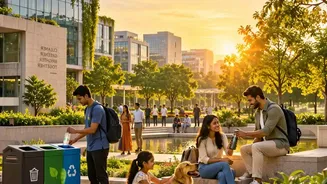






Look around your local park. It’s no longer just a space for gentle morning walks and weekend picnics. A quiet revolution is underway as metro parks across India transform into vibrant, open-air gyms buzzing with energy from dawn till dusk.
The New Open-Air Arenas
Across India’s
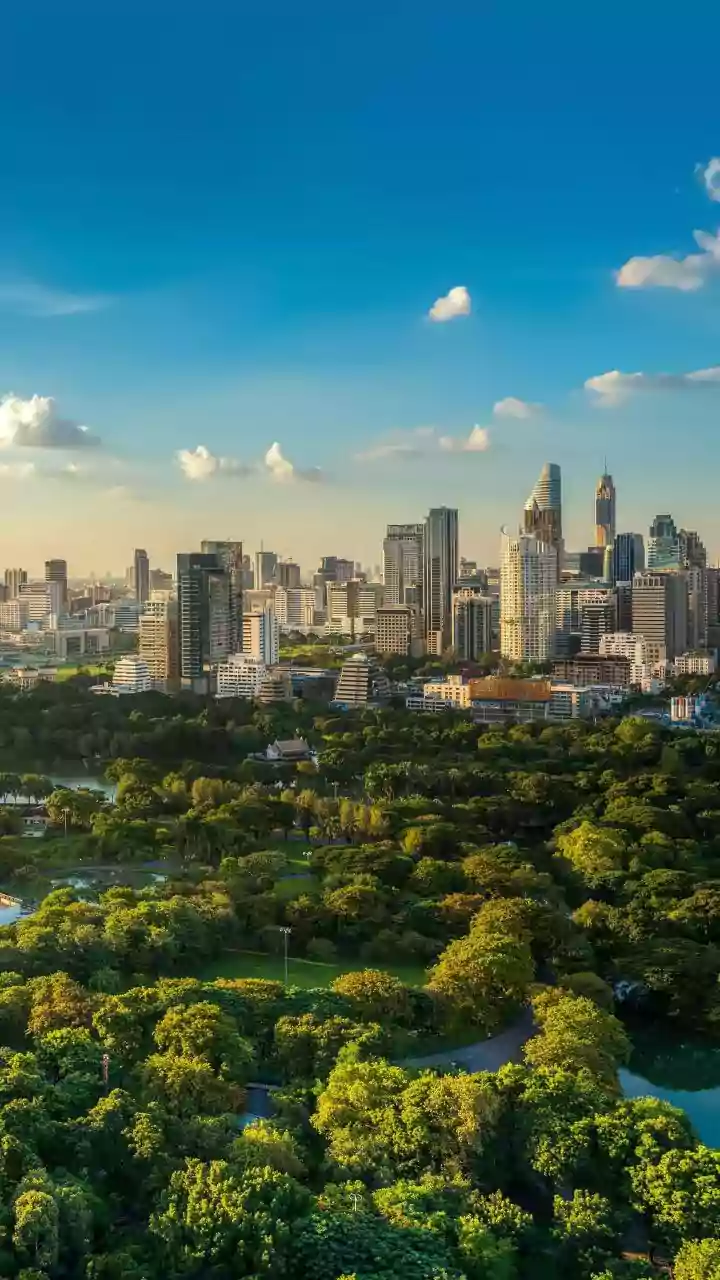
bustling cities, from Mumbai's Mahalaxmi Racecourse to Delhi's Lodhi Garden, public parks are experiencing a renaissance. They are no longer merely green lungs but have become dynamic fitness hubs. This shift is visible every morning and evening, as lawns and pathways fill with residents engaging in a wide array of physical activities that go far beyond a simple stroll. Morning walkers now share space with intense boot camps, serene yoga circles, and focused running clubs. This evolution reflects a broader change in how urban Indians approach health, turning to accessible, communal spaces to pursue their wellness goals.
Why the Great Outdoors is Winning
Several factors are driving this exodus from enclosed gyms to open parks. For many, it's a cost-effective alternative to expensive gym memberships. Parks offer a free, democratic space for fitness, removing a significant financial barrier. The post-pandemic era has also amplified health consciousness, with a growing understanding that physical activity is crucial for both physical and mental well-being. Many people are discovering that exercising in a natural environment reduces stress and mental fatigue more effectively than indoor workouts. The desire for community after periods of isolation is another powerful motivator; group workouts foster a sense of belonging and accountability that many find more inspiring than a solitary gym session.
From Yoga Circles to Boot Camp Drills
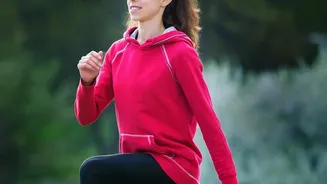
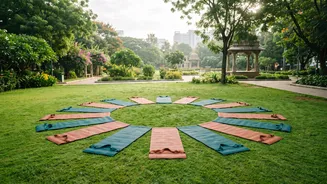
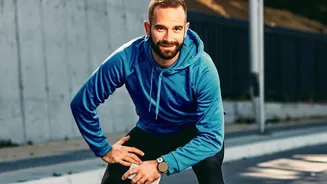
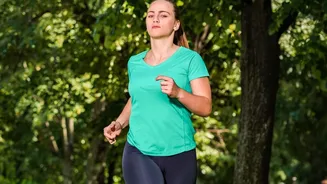
The variety of fitness activities now thriving in parks is remarkable. Yoga remains a popular choice, with groups gathering for morning sessions that combine physical exercise with mindfulness. However, the trend has expanded to include more high-intensity options. Outdoor boot camps, inspired by CrossFit and functional training methods, use park infrastructure for challenging workouts involving battle ropes, resistance bands, and bodyweight exercises. Running clubs have also exploded in popularity, with groups in Bangalore, Delhi, and Mumbai organizing regular runs through parks and along designated tracks. This is complemented by a rise in calisthenics, where enthusiasts use permanent installations like pull-up bars and parallel bars now being installed in many urban parks.
A Community in Motion, Powered by Tech
This movement is as much about social connection as it is about fitness. For many young professionals, these park-based fitness groups have become a 'third place'—a social hub outside of home and work. These communities are often organised and sustained through digital platforms like social media and messaging apps, which help coordinate routes, share schedules, and foster a sense of camaraderie. This blend of offline activity and online coordination makes it easy for newcomers to find and join groups, turning solitary exercise into a shared, motivating experience. The result is a powerful fusion of grassroots community building and modern technology, creating a supportive ecosystem for a healthier lifestyle.
How Cities and Parks Are Adapting
The surge in park usage for fitness presents both an opportunity and a challenge for municipal bodies. In response, many cities are starting to view parks as essential public health infrastructure. Urban planners are integrating permanent, weather-proof exercise equipment—often called 'open-air gyms'—into green spaces across cities like Delhi. There's also a growing focus on improving park amenities, such as ensuring better lighting for safety, maintaining clean walking and jogging tracks, and providing access to water. However, challenges remain, including managing wear and tear on park grounds and ensuring spaces are equitably distributed and accessible to all residents. The continued evolution of these green spaces will be crucial in sustaining this positive public health trend.