




The Burnout Antidote
The primary driver behind this shift is a collective pushback against urban burnout. The fast-paced life in metros like Mumbai, Delhi, and Bengaluru is leading young professionals to seek genuine downtime. Small towns offer what cities cannot: cleaner
air, a slower rhythm, and the mental space to disconnect. This isn't about doing nothing, but about doing less, more mindfully. Travel trends show a rising preference for relaxation and nature-focused experiences over jam-packed itineraries. A quiet weekend in a mountain village or a coastal hamlet has become a necessary reset button for mental and emotional well-being.
Rise of the 'Workation'
The remote work revolution has fundamentally changed the concept of a holiday. With the freedom to work from anywhere, professionals are no longer limited to a few days of annual leave. They can now blend work with leisure in what has been dubbed a 'workation'. A homestay in the hills of Himachal Pradesh or a quiet corner in Goa can become a temporary office. This has led to the growth of destinations that cater to 'digital nomads', offering reliable internet, comfortable stays, and a peaceful environment. This trend allows for longer stays, transforming a weekend getaway into a week-long immersion without falling behind on work. A 2026 survey noted that a significant number of young Indian travellers planned to take a workation.
A Search for Authenticity
Today’s young traveller is often seeking experiences over simple sightseeing. There's a growing fatigue with commercialised tourist spots that offer a generic, curated experience. Small towns, on the other hand, promise authenticity. It’s about discovering a local café that feels familiar, learning about unique regional crafts, or understanding the rhythm of a place by simply being in it. This desire for genuine connection extends to accommodation, with a preference for homestays and boutique properties that reflect the local character over large, impersonal hotel chains. This search for meaning is a key reason why destinations like Tirthan Valley, Ziro Valley, and Majuli are gaining popularity.
Redefining 'Instagrammable'
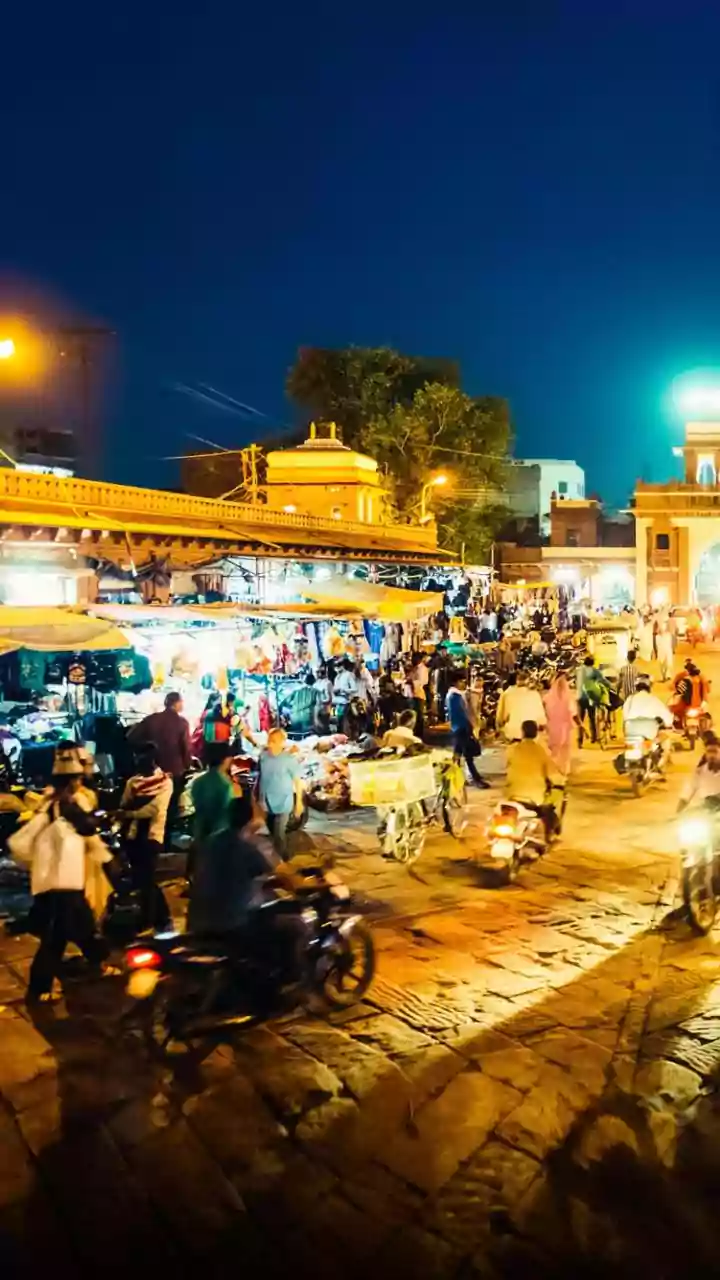
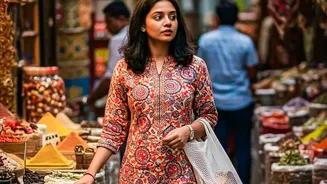
While social media still plays a huge role in travel, the aesthetic is shifting. The perfectly staged photo in front of a famous monument is being replaced by more subtle, personal, and unique moments. Offbeat destinations offer a canvas for this new kind of visual storytelling. The rolling hills of Dzukou Valley, the red-gold canyons of Gandikota, or the serene monasteries of Sikkim provide a backdrop that feels both epic and undiscovered. It’s less about showing where you went and more about sharing a feeling—the quiet of a misty morning, the charm of a rustic doorway, or the vibrant colours of a local market.
Smarter, Sustainable Choices
Practicality also plays a part. Travel to smaller towns is often more affordable than a trip to a major city or an international destination. More importantly, it aligns with a growing consciousness about sustainable tourism. By choosing homestays and spending at local establishments, travellers feel their money is directly supporting the community. This kind of travel has a lower environmental footprint and fosters a more respectful and reciprocal relationship between the visitor and the destination. It’s a choice that feels good not just for the traveller, but for the place they are visiting.