






Two Sugars, Two Different Paths
At a basic level, glucose and fructose are both simple sugars, providing the same amount of energy per gram. However, your body processes them very differently. Glucose is the body's primary fuel source, easily used by our cells for energy. Fructose,
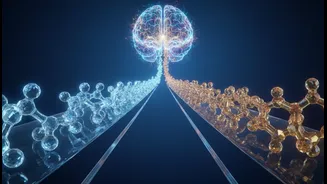
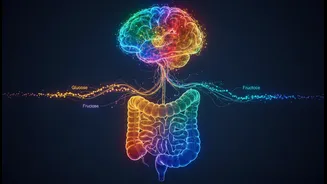
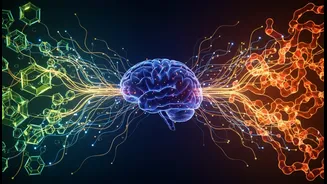
on the other hand, is metabolized almost entirely in the liver. This fundamental difference is the starting point for their distinct effects on our health. For decades, it was assumed that because they were both sugars, their effect on hunger and satiety would be similar. Emerging research is now challenging that idea, showing that these two sugars communicate with the brain through entirely separate channels.
The Gut-Brain Superhighway
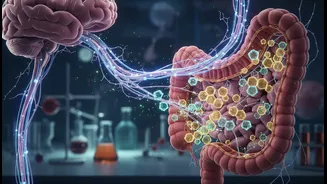
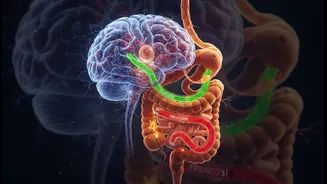
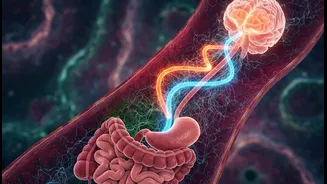
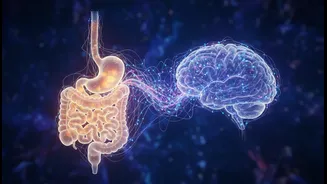
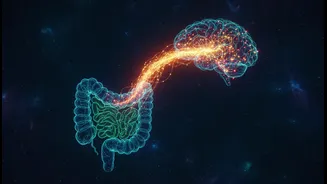
Your gut and brain are in constant communication through a network of nerves and hormones known as the gut-brain axis. What you eat sends signals that influence everything from your mood to your appetite. A key part of this system is the vagus nerve, which acts like a direct information line from your digestive system to your brain. Recent studies, including a notable one from June 2026, have pinpointed how glucose and fructose use different routes along this superhighway to tell your brain whether you're full or still hungry.
The Hunger Signal Difference
Research conducted on mice has shown that glucose is significantly more effective at suppressing the activity of hunger-promoting brain cells, known as AgRP neurons. When you consume glucose, it sends a strong signal to the brain that says, "calories have been received, you can stop feeling hungry now." Fructose, in contrast, sends a much weaker signal. While it does trigger some satiety hormones, its effect on these key hunger neurons is modest at best. This means that even if you consume the same number of calories from fructose, your brain may not get the same message of fullness, potentially leading you to feel hungrier and desire more food.
Separate Gut-to-Brain Routes
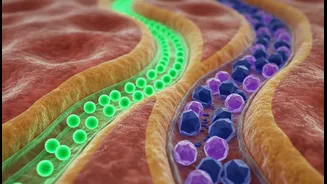
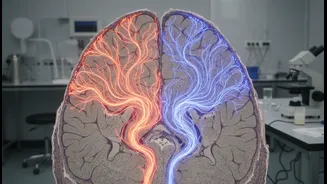
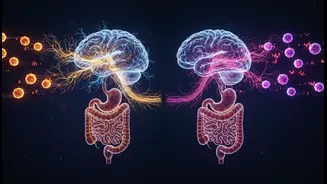
The latest findings reveal that glucose and fructose take different paths to deliver their messages. Fructose appears to rely on the vagus nerve to send its weak satiety signal. Glucose, however, uses a different, more direct route that results in a much stronger suppression of hunger signals in the brain. This discovery challenges the old model that hunger neurons simply count calories; instead, they seem to identify the specific type of nutrient being consumed. This helps explain why mixtures of sugars, like high-fructose corn syrup, can be particularly potent, as they engage multiple pathways at once.
Beyond Hunger: Inflammation and the Gut
The impact of excess fructose extends beyond appetite regulation. When large amounts of fructose are consumed, especially from processed foods and sugary drinks, it can overwhelm the small intestine's ability to absorb it. This excess fructose then travels to the colon, where it can alter the balance of gut bacteria, a condition known as dysbiosis. This imbalance can damage the intestinal lining, making it 'leaky' and allowing harmful substances to enter the bloodstream, which in turn can drive inflammation throughout the body, including in the liver and potentially contributing to conditions like non-alcoholic fatty liver disease.
What About Fruit?
This might make you look suspiciously at your fruit bowl, but it's crucial to differentiate between fructose in its natural state and the added fructose in processed foods. Whole fruits contain fructose, but it's packaged with fiber, water, vitamins, and minerals. Fiber slows down the absorption of sugar, preventing the rapid fructose overload that occurs when you drink a soda. The physical structure and nutrient content of whole fruit help your body process the sugar in a much healthier way, promoting feelings of fullness and providing essential nutrients. The issue lies primarily with added sugars, not the natural sugars found in whole foods.