


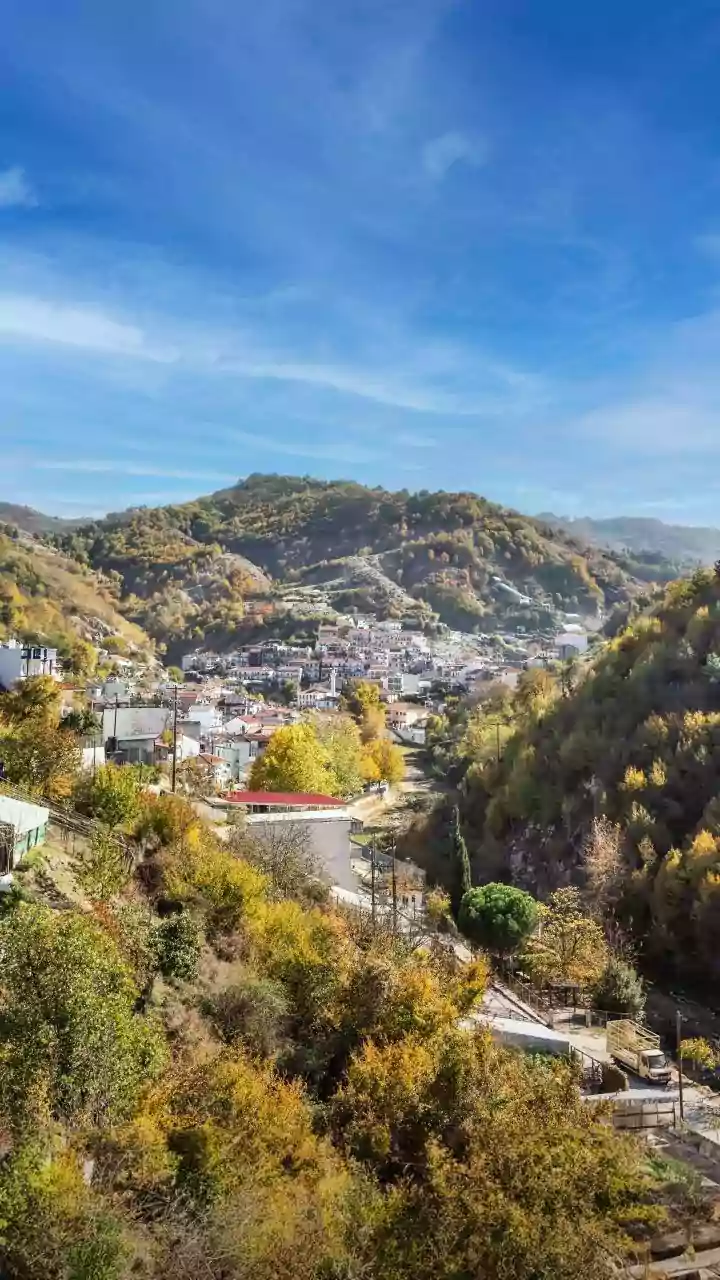


Satara’s Plateaus and Waterfalls
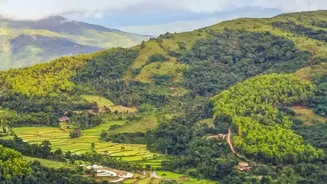
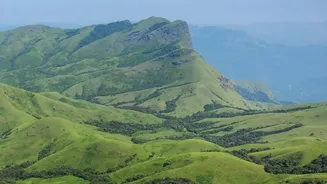
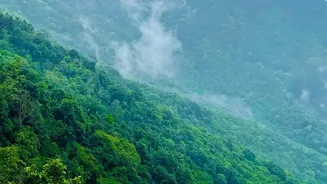
The post-monsoon season, from September to November, is when Satara truly comes alive. The landscape, washed clean by the rains, is a vibrant green, and the air is fresh and cool. This region of the Sahyadris is known for its dramatic tablelands and powerful
waterfalls, making it a spectacular destination for motorists before the winter dryness sets in.
The Route to Kaas Plateau
Often called Maharashtra's Valley of Flowers, the Kaas Plateau is a UNESCO World Heritage Site that bursts into a riot of colour post-monsoon. The drive from Satara city, about 25 kilometres, is scenic, with winding roads offering views of lakes and hills. September is the prime month to witness the bloom, when over 850 species of wildflowers carpet the laterite plateau. The flowering season for 2026 has begun, with the main bloom expected after mid-September. You can expect to see a variety of flowers, including the rare Karvi, which is predicted to have a mass blooming in 2026 after a long cycle. The landscape changes weekly as different flowers come into season.
The Plunge of Thoseghar Falls
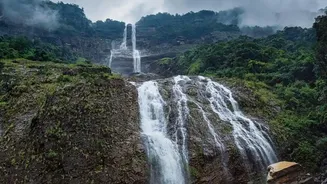
A drive to Thoseghar, roughly 20 kilometres from Satara, is essential for anyone chasing waterfalls. During the post-monsoon period, these falls are at their most powerful. A series of cascades, with the tallest dropping from nearly 200 metres, creates a thunderous roar that fills the valley. A well-maintained viewing platform allows for safe and breathtaking views of the water plunging into a deep gorge. The route itself is rewarding, taking you past the historic Sajjangad Fort and the Chalkewadi windmill farms, where hundreds of windmills stand in stark contrast to the green hills.
Coorg’s Mist-Laden Coffee Country
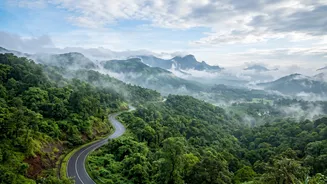
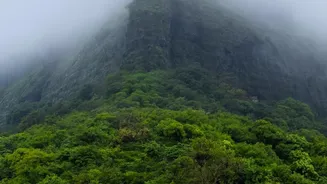
Further south, the hills of Coorg (Kodagu) in Karnataka offer a different but equally enchanting post-monsoon experience. The air is thick with the scent of wet earth and coffee plantations. This is a time of lush, verdant landscapes, misty mornings, and swollen waterfalls, making it an ideal season for scenic drives. The roads, though sometimes slippery, wind through some of southern India's most beautiful terrain.
The Classic Madikeri to Abbey Falls Drive
No trip to Coorg is complete without visiting Abbey Falls, especially after the rains when it is at its most dramatic. The drive from the main town of Madikeri is short but immersive, passing through dense coffee and spice plantations. The walk from the parking area to the falls takes you over a hanging bridge with a fantastic view of the water cascading over rocks. The combination of the roaring water and the surrounding greenery makes it a sensory delight.
Adventure to Mandalpatti Viewpoint
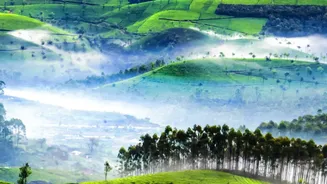
For the more adventurous, the drive to Mandalpatti is a must-do. While the final stretch requires a jeep safari due to the rugged terrain, the journey is part of the charm. Post-monsoon, the viewpoint offers stunning 360-degree vistas of the rolling Western Ghats, often with valleys filled with clouds below. The best time to visit is early morning to watch the sunrise burn through the mist. It is a challenging but highly rewarding route that showcases the raw, untamed beauty of Coorg's highlands.
Tips for a Post-Monsoon Drive
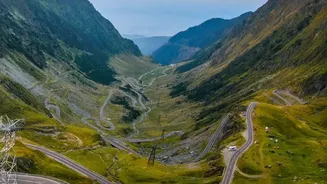
Driving in the Ghats after the monsoon requires some preparation. Roads can be slippery, and some sections may be prone to fog, especially in the early mornings. Always check your vehicle's tyres, brakes, and wipers before you start. It's wise to drive during daylight hours and be prepared for occasional rough patches. While the main highways are generally in good condition, the smaller rural roads leading to these scenic spots demand a slower, more cautious approach. Carry essentials like water, snacks, and a first-aid kit, as facilities can be sparse in remote areas.