









What Is a Portfolio Career?
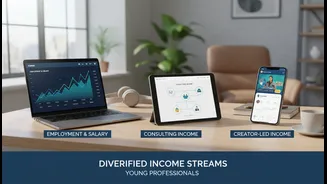
A portfolio career isn't just about having a side hustle. It's a deliberate and strategic approach to work where an individual builds a career from multiple, simultaneous income streams. This can be a mix of part-time roles, freelance projects, consulting
gigs, and even personal passion projects that generate revenue. Unlike traditional freelancing, which can be reactive, a portfolio career is about curating a diverse set of professional activities that, taken together, form a cohesive and fulfilling professional identity. It's about designing your work life to align with your skills, interests, and financial goals, rather than fitting into a single job description.
The Drive for Autonomy and Flexibility
One of the biggest drivers behind this trend is the deep-seated desire for autonomy. Young professionals increasingly prioritize control over their time and work environment. The rigid 9-to-5 schedule and mandatory office presence feel outdated to a generation that has seen remote and hybrid models work effectively. Recent studies in India show that a significant majority of Gen Z workers would be less likely to pursue entrepreneurial ventures or multiple income streams if they had to commute daily. This flexibility isn't about working less; it's about working smarter and integrating professional ambitions with personal well-being, family responsibilities, and other life pursuits.
Building Skills and Spreading Risk
The modern job market is volatile. Relying on a single employer for your entire income and professional development can be a risky proposition. A portfolio career acts as a form of professional diversification. By working across different projects, industries, and roles, professionals can rapidly acquire a broad range of skills and experiences, making them more adaptable and marketable. In India, where project-based hiring has seen a significant surge, this model offers a safety net; if one stream of work dries up, others can sustain them. This approach turns a career into a collection of assets, reducing dependency and building long-term resilience.
The Search for Purpose and Passion
Beyond financial and practical considerations, the move towards portfolio careers is fueled by a search for meaning. Many young professionals are unwilling to sacrifice personal values for a paycheck and seek work that feels purposeful. A portfolio career allows them to blend income-generating work with passion projects. For instance, a marketing consultant might also run a small, sustainable e-commerce store, or a software developer might dedicate one day a week to teaching coding to underprivileged youth. This hybrid approach enables them to pursue personal interests and contribute to causes they care about without forgoing financial stability.
The Real-World Challenges
Despite its many attractions, the portfolio model is not without its difficulties. The most significant challenge is the lack of a consistent, predictable income and the absence of traditional employment benefits like provident funds, health insurance, and paid leave. Portfolio professionals are solely responsible for their own financial planning, marketing, and client management, which requires a high degree of discipline and can be mentally taxing. There's also the risk of isolation and burnout from juggling multiple responsibilities without the built-in social structure of a traditional office.
A Glimpse into the Future of Work
The rise of the portfolio career in India is more than a passing trend; it's a structural shift in the world of work, accelerated by technology, a burgeoning gig economy, and a new set of professional values. LinkedIn data shows a dramatic increase in Indian entrepreneurs managing multiple income streams, with AI and digital tools acting as key enablers. As more companies embrace flexible talent models and project-based hiring, the skills of a portfolio professional—adaptability, self-management, and continuous learning—are becoming the new benchmark for career success.