

Tripunithura: For a Royal Beginning
Kickstart your Onam journey in Tripunithura, near Kochi, where the 10-day festival begins with the spectacular Athachamayam procession on August 16th. This vibrant street parade commemorates the royal past of the Kingdom of Cochin. Historically, the Maharaja
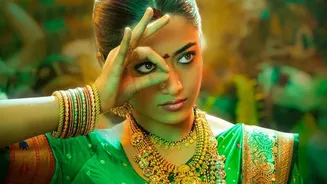
would lead a march to greet his subjects, and today, the tradition continues as a magnificent cultural showcase. Expect to see caparisoned elephants, colourful floats depicting mythological scenes, and dozens of folk art forms like Theyyam and Kathakali, all moving to the rhythm of traditional percussion ensembles. It’s a living museum of Kerala's culture condensed into one dazzling morning, setting the stage for the days of celebration to come.
Thrissur: For the Fierce Tiger Dance
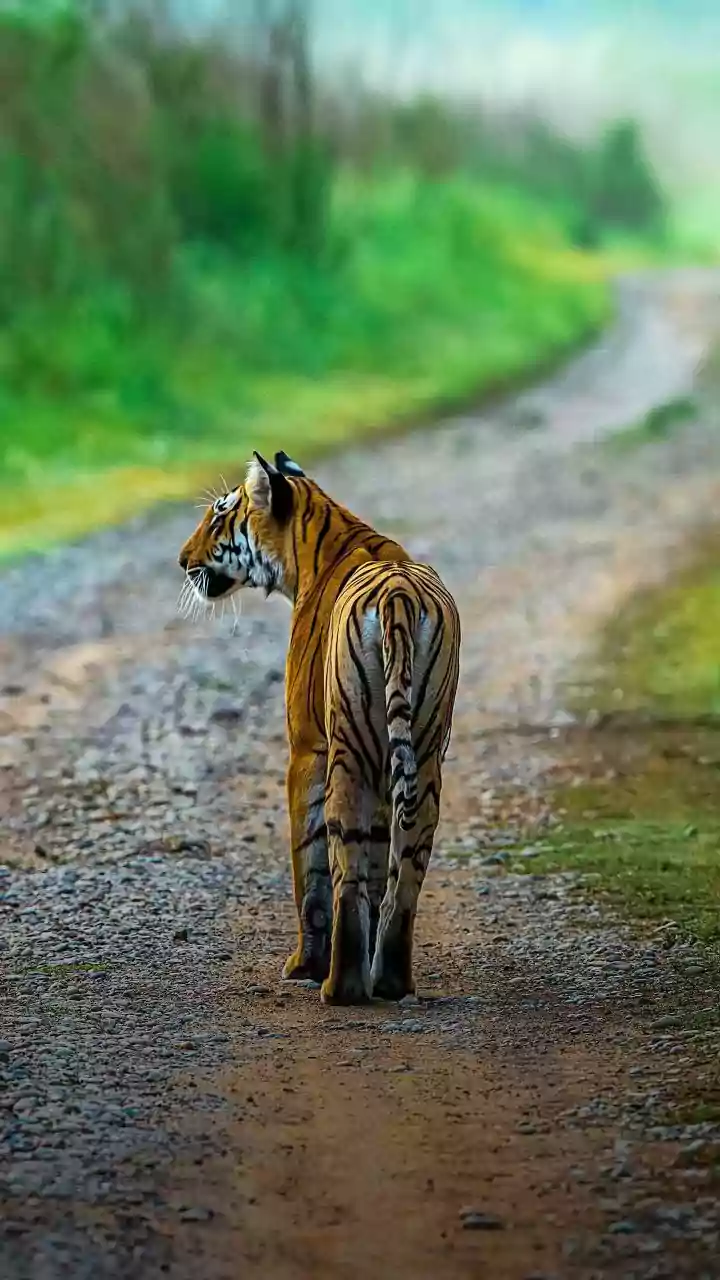
Known as the cultural capital of Kerala, Thrissur hosts one of Onam's most energetic and unmissable events: the Pulikali, or Tiger Dance. Held on the fourth day of Onam, this 200-year-old tradition sees hundreds of performers, their bodies painstakingly painted as tigers and leopards, take over the Swaraj Round. The artists dance manically to the powerful beat of instruments like the chenda and thakil, their bellies shaking as they mimic the movements of a tiger hunt. Troupes from across the district compete for the best costume and performance, creating an electric atmosphere that draws thousands of spectators. It’s a loud, wild, and utterly unique spectacle that embodies the raw, festive spirit of Onam.
Aranmula: For a Sacred Boat Race
While Kerala is famous for its competitive snake boat races, the Aranmula Uthrattathi Vallamkali is different; it's a sacred ritual. Taking place on the Pamba River in the heritage village of Aranmula, this event is deeply connected to the Sree Parthasarathy Temple. The massive snake boats, called Palliyodams, are treated as divine vessels. Legend says the race began as a re-enactment of villagers protecting a boat carrying offerings to the temple. Instead of a fierce race, it's a majestic procession where crews chant traditional songs (Vanchipattu) in perfect unison. The event is also famous for the Vallasadya, a massive feast served to the oarsmen and devotees, making it a profound cultural and spiritual experience.
Palakkad: For Rural Rites and Feasts
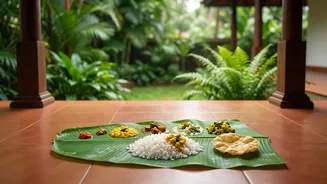
To experience the agricultural heart of the harvest festival, head to the villages around Palakkad. This region, known as the 'Granary of Kerala', retains a deep connection to Onam's farming roots. Here you can witness Onathallu, a traditional form of wrestling or semi-contact martial art that takes place on Onam afternoon, right after the grand feast. It’s a fascinating display of local custom that is less common in bigger cities. Palakkad is also an ideal place to find an authentic Onasadya, the elaborate vegetarian feast served on a banana leaf. Many homestays and smaller communities host their own Sadya, offering a chance to taste home-cooked dishes and experience the meal not as a commercial event, but as a shared moment of community gratitude.
The Backwaters: For a Floating Festival
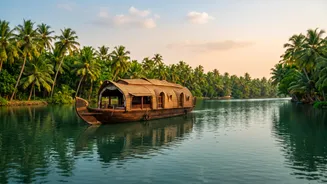
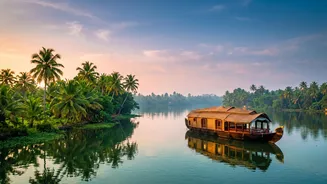
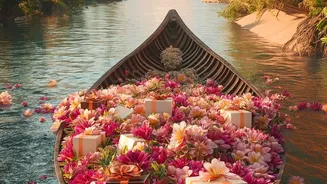
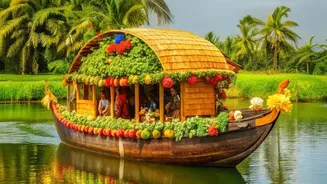
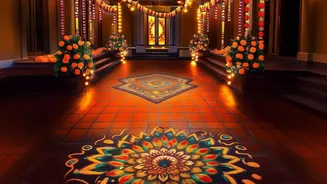
For a truly unique perspective, consider exploring the Onam season from a houseboat on the backwaters of Alleppey or Kumarakom. The canals become highways of celebration, offering glimpses into village life that are inaccessible by road. From the boat, you can see families creating intricate Pookalam flower carpets at their doorsteps and hear the sounds of temple festivities across the water. Many houseboat operators offer special Onam packages, which include a private chef preparing a fresh Onasadya onboard. You can also witness smaller, local Vallam Kali (boat races) that are just as spirited as the larger events, providing an intimate and serene way to soak in the festive atmosphere of God's Own Country.