

Why Oats Make a Great Dosa
The traditional dosa, made from a fermented batter of rice and lentils, is a beloved staple. However, the process requires significant planning. This is where oats come in as a brilliant, modern alternative. Oats are celebrated for their impressive nutritional
profile. They are an excellent source of soluble fibre, particularly beta-glucan, which is known to help lower cholesterol, improve heart health, and aid in weight management by promoting a feeling of fullness. Furthermore, oats provide a steady release of energy, making them an ideal breakfast food to manage blood sugar levels. For those with busy schedules, the biggest advantage of an oats dosa is speed. Most recipes are 'instant', meaning they don't require the lengthy soaking and overnight fermentation process that traditional dosa batter does. This makes it possible to whip up a fresh, healthy, and satisfying meal on a weekday morning without any prior preparation.
The Instant Oats Dosa Recipe
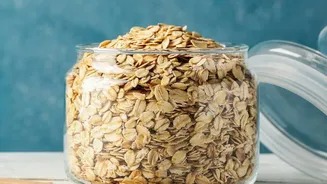
This recipe creates a thin, crisp dosa reminiscent of a rava dosa. It’s quick, straightforward, and packed with flavour. Ingredients: 1 cup rolled or quick-cooking oats 1/2 cup rice flour 1/4 cup rava (sooji/semolina) 1 small onion, finely chopped 1-2 green chillies, finely chopped 1 teaspoon cumin seeds A small piece of ginger, grated A handful of fresh coriander leaves, chopped A few curry leaves, chopped Salt to taste About 4 cups of water (adjust as needed) Oil or ghee for cooking Method: 1. Grind the oats into a fine powder using a mixer grinder. 2. In a large bowl, combine the oat powder, rice flour, and rava. Mix them well to avoid lumps. 3. Add the chopped onion, green chillies, cumin seeds, ginger, coriander leaves, curry leaves, and salt. Stir everything together. 4. Gradually pour in the water while continuously whisking to create a thin, lump-free batter. The consistency should be watery, similar to that of buttermilk or thin milk. 5. Let the batter rest for about 20-30 minutes. This allows the rava and oats to absorb the water and swell slightly. The batter will thicken, so you may need to add more water to return it to its original thin consistency.
Cooking the Perfect Crispy Dosa
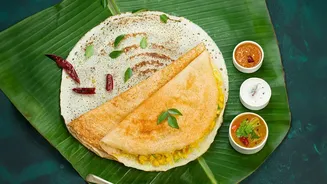
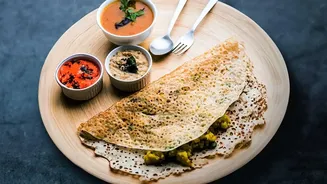
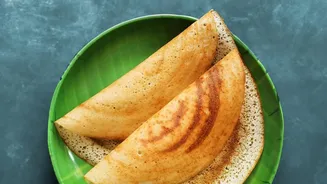
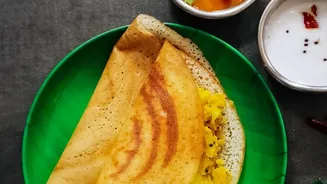
The technique for cooking an oats dosa is slightly different from a traditional one. 1. Heat a non-stick or cast-iron tawa (griddle) over medium-high heat. The pan must be hot. To check, sprinkle a few drops of water; they should sizzle and evaporate immediately. 2. Stir the batter well from the bottom each time before making a dosa, as the solids tend to settle. 3. Pour a ladleful of the thin batter from a height, starting from the edges of the tawa and moving towards the centre to create a lacy, web-like pattern. Do not try to spread it with the back of the ladle like a regular dosa. Fill in any large gaps with a little more batter. 4. Drizzle about a teaspoon of oil or ghee around the edges and in the centre of the dosa. 5. Cook on medium heat for 2-3 minutes, or until the edges start to turn golden brown and lift from the pan. The lacy holes will help it cook evenly. 6. There is no need to flip an oats dosa. Once it's crisp and golden, gently fold it over and serve immediately.
Tips for Success and Serving
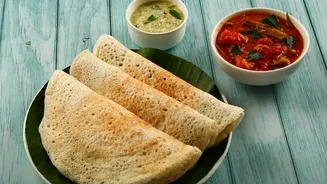
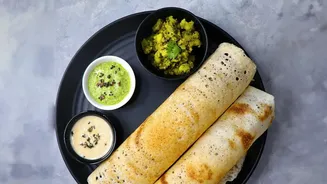
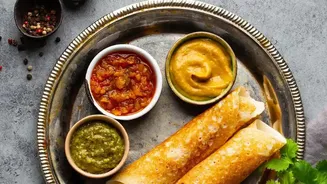
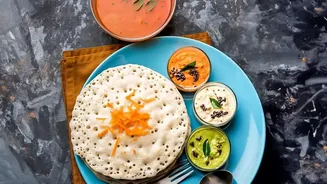
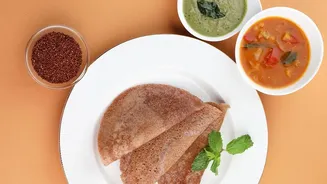
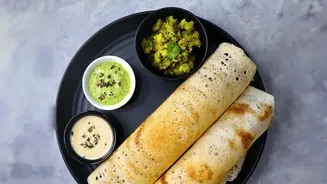
Achieving the perfect texture with an oats dosa is easy if you keep a few things in mind. The batter's consistency is the most critical factor; it must be thin and free-flowing. If your dosas are coming out thick or soft, your batter is likely too thick. Don't be afraid to add more water. A very hot tawa is also essential for creating the signature crispy, porous texture. If the pan isn't hot enough, the batter will not spread properly and will form a clump. Oats dosa pairs wonderfully with all the classic South Indian accompaniments. Serve it hot off the griddle with coconut chutney, tomato chutney, or a flavourful podi (gunpowder). For a more complete and filling meal, it can also be served alongside a bowl of hot sambar, just like its traditional counterpart.