



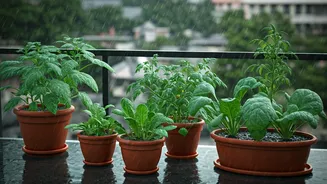


The Art of the Monsoon Flex
Forget luxury watches or designer clothes. The new status symbol for the urban dweller is a thriving balcony garden in the middle of the rainy season. It’s a ‘flex’—a quiet boast that says you can nurture life and create beauty amidst the concrete and the chaos.
It’s about mastering a skill, understanding nature’s rhythm, and curating a personal slice of paradise. While others complain about the damp and gloom, you’re harvesting your own mint for chai or admiring a new hibiscus bloom. This isn't just about having plants; it's about proving you have the touch, the patience, and the knowledge to make them flourish when the elements are most challenging.
Choose Your Monsoon Champions
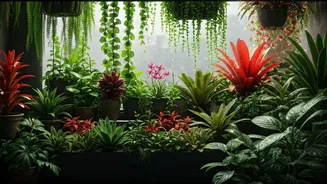
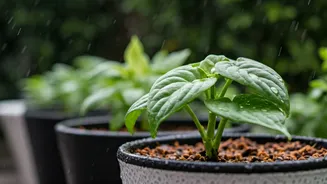
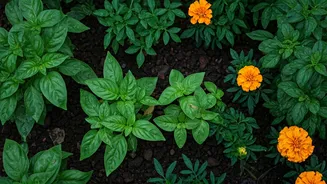
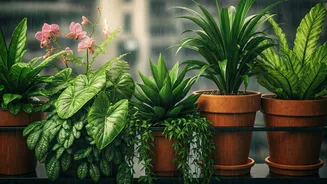
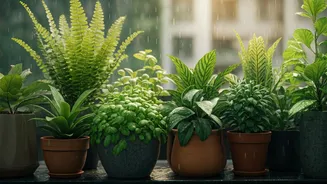
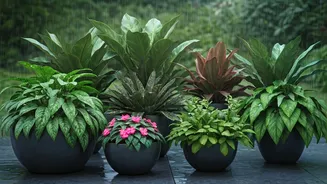
Not all plants are created equal, especially when it comes to the monsoon’s relentless humidity and downpours. The key is to pick species that love a good drink and can handle the damp. Brightly coloured flowering plants like Balsam (the quintessential monsoon flower), Hibiscus, and Bougainvillea thrive in these conditions, adding a splash of defiance to the grey skies. If you’re more practically minded, herbs like Mint, Basil, and Lemongrass go into overdrive with the extra water. For lush foliage, consider money plants and ferns. These aren't just survivors; they are performers that peak during the rains.
The Foundation: Pots and Soil
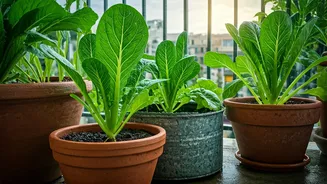
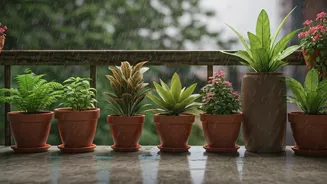
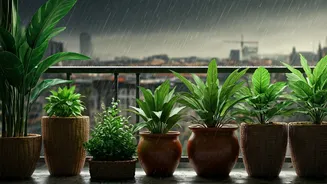
Your success starts at the bottom—literally. The right pot and soil mix are non-negotiable. Terracotta or clay pots are your best friends during the monsoon. Their porous nature allows excess moisture to evaporate, helping the roots breathe and preventing rot. Ensure every single pot has at least one drainage hole at the bottom. For soil, a generic bag of garden mud won't cut it. Create a well-draining mix. A good formula is one part garden soil, one part compost or vermicompost for nutrients, and one part cocopeat (for moisture retention) and sand (for drainage). This combination provides the perfect balance, keeping the soil moist but never waterlogged.
Master the Art of Drainage
Overwatering is the number one killer of container plants during the monsoon. Even with drainage holes, a heavy downpour can compact the soil and drown the roots. This is where you get strategic. Before adding your soil mix, place a layer of broken pot shards, pebbles, or small stones at the bottom of the container. This creates a buffer zone that prevents soil from clogging the drainage hole and allows excess water to escape freely. Another pro-move is to elevate your pots slightly. Placing them on pot stands or 'pot feet' allows air to circulate underneath and ensures water isn’t pooling at the base.
Water Wisely, Even in the Rain
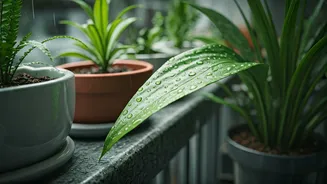
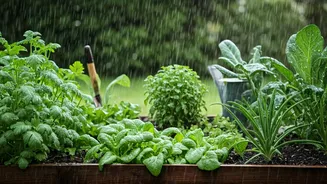
It sounds counterintuitive, but don't assume the rain is doing all the work for you. Sometimes, a plant with dense foliage can act like an umbrella, preventing rainwater from ever reaching the soil. On the other hand, a few days of constant drizzle can saturate the pot. The golden rule: check the soil. Stick your finger about an inch deep. If it feels dry, you need to water it. If it feels soggy, hold off. Also, be mindful of the force of the rain. A harsh downpour can damage delicate leaves and flowers. If possible, move smaller, more fragile plants to a sheltered spot on your balcony where they can get the ambient moisture without the direct beating.
Keep the Unwanted Guests Away
With high humidity comes a boom in fungal diseases and pests like mealybugs and aphids. A vigilant gardener is a successful one. Inspect your plants regularly, paying close attention to the undersides of leaves. If you spot trouble, act fast. For a simple, organic solution, a neem oil spray is your best weapon. Mix a few drops of neem oil and a gentle liquid soap with water in a spray bottle and apply it to your plants every week or two as a preventative measure. This will help keep most common pests at bay without resorting to harsh chemicals, ensuring your green flex is also a healthy one.