





Beyond the familiar idli and paratha lies a vast landscape of Indian breakfast traditions. From protein-packed crepes to steamed mountain breads, discover seven regional morning meals that are designed to sustain, nourish, and delight.
Pesarattu from Andhra Pradesh
Often called the
'green dosa', Pesarattu is a nutritious crepe from Andhra Pradesh made from whole green moong dal. Unlike a regular dosa, its batter requires no fermentation, making it a quick and healthy option. The name itself comes from two Telugu words: 'pesara' (green gram) and 'attu' (crepe). The dal is soaked and ground with ginger, cumin, and green chillies, giving the final dish a distinct, earthy flavour. It’s naturally rich in plant-based protein and fibre, which makes it incredibly filling. Often served with a spicy ginger chutney (Allam Pachadi), it is sometimes stuffed with savoury upma to create 'MLA Pesarattu', a popular and even more substantial meal.
Sattu Paratha from Bihar
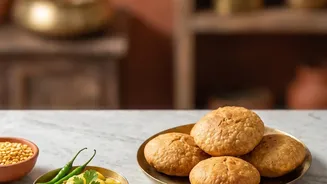
A powerhouse of nutrition, Sattu Paratha is a staple breakfast in Bihar and Jharkhand. This stuffed flatbread features a filling of sattu, or roasted gram flour, which is hailed as a 'poor man's protein' for its affordability and high nutritional value. The sattu is mixed with finely chopped onions, green chillies, ginger, and pungent mustard oil, creating a flavour that is sharp, savoury, and deeply satisfying. Because the gram is roasted before being ground, the flour doesn't need to be cooked before being used as a filling. This humble dish has been a source of energy for farmers and labourers for centuries and remains a beloved, sustaining meal.
Siddu from Himachal Pradesh
Hailing from the cool mountain valleys of Himachal, Siddu is a comforting steamed bread that is perfect for cold mornings. Made from a wheat flour dough that is fermented with yeast, it becomes light and soft upon steaming. The real magic lies in its filling, which traditionally consists of a paste of walnuts and poppy seeds, though paneer and other local ingredients are also used. This nourishing bread was historically a sustenance food for nomadic shepherds on long journeys. Siddu is almost always served with a generous helping of desi ghee, which soaks into the warm, porous bread, making it a truly hearty and soul-warming dish.
Jolpan from Assam
Jolpan is less a single dish and more a concept of a no-cook breakfast from Assam that is simple, refreshing, and surprisingly filling. The name itself refers to a morning snack or refreshment. A typical Jolpan consists of various forms of rice, such as chira (flattened rice) or muri (puffed rice), served with doi (curd) and a lump of goor (jaggery). One unique variety used is Komal Saul, a type of 'magic rice' that becomes soft and edible simply by soaking it in warm water for about 15 minutes. It’s a testament to agricultural ingenuity and provides a quick, cooling, and energising start to the day.
Akki Roti from Karnataka
A popular gluten-free flatbread from Karnataka, Akki Roti translates to 'rice bread'. It’s made from rice flour mixed with grated carrots, finely chopped onions, dill leaves, cilantro, and green chillies, creating a soft, flavourful dough. The dough is patted by hand into a thin circle, often directly onto the hot tawa (griddle) or on a banana leaf before being transferred. A few holes are poked into the surface to help it cook evenly. Served hot with a dollop of butter or a side of coconut chutney, Akki Roti is a wholesome and rustic dish that beautifully incorporates vegetables into the breakfast itself.
Puttu and Kadala Curry from Kerala
A breakfast icon in Kerala, Puttu is a unique dish of steamed cylinders made from ground rice flour layered with fresh grated coconut. The mixture is steamed in a special cylindrical vessel called a 'puttu kutti'. The result is a soft, crumbly cake that is light yet substantial. While Puttu can be eaten with bananas, its classic partner is Kadala Curry, a robust and spicy curry made with black chickpeas (kala chana) cooked in a fragrant, roasted coconut gravy. The combination of the soft, mild puttu and the spicy, rich curry creates a perfectly balanced and incredibly satisfying meal that is a beloved fixture in Malayali households.
Methi Thepla from Gujarat
A staple in Gujarati households and a favourite travel snack, Thepla is a soft, spiced flatbread that is both delicious and long-lasting. While there are many variations, the most popular is Methi Thepla, made by kneading whole wheat flour with fresh fenugreek leaves (methi), ginger, and spices. Unlike a paratha, theplas are typically thinner and are pan-fried with a small amount of oil until soft with golden-brown spots. They are incredibly versatile and can be enjoyed for breakfast with curd or pickle, or simply rolled up and eaten on their own. The fenugreek leaves add a distinct, slightly bitter flavour and a host of nutrients, making this a healthy and sustaining choice.