



Start with Native Plants
The single smartest decision you can make is choosing plants that are native to your region or well-adapted to its climate. Instead of struggling to keep a delicate European flower alive through a scorching May, opt for species that naturally thrive in Indian
heat and monsoon cycles. Think hibiscus, bougainvillea, jasmine (mogra), curry leaf (kadi patta), or ornamental grasses. These plants are naturally pest-resistant, require less water, and support local biodiversity by providing food and shelter for native birds and insects. Visiting a local nursery and asking for indigenous varieties is the best first step.
Understand Your Sunlight
Before you plant anything, spend a day observing your space. Which areas get harsh afternoon sun? Which spots are in the shade for most of the day? This is your 'sun map'. A plant that needs six hours of direct sun will wither in a shady corner, while a shade-loving fern will get scorched on a sun-drenched balcony. Group plants with similar light requirements together. This simple act of observation prevents the common heartbreak of watching a new plant struggle simply because it's in the wrong place. Remember, 'full sun' in a milder climate is very different from the intense 'full sun' of an Indian summer.
Build a Strong Soil Foundation
Good soil is the foundation of a healthy garden. Most city soil is often compacted and lacks nutrients. For potted plants, don't just use plain mud. A smart mix includes cocopeat (for moisture retention), compost or vermicompost (for nutrients), and perlite or sand (for drainage). This combination creates a light, airy medium that allows roots to breathe and prevents waterlogging, which is a major issue during the monsoon. For garden beds, regularly amending the soil with organic matter like aged cow dung manure or leaf mould will dramatically improve its structure and fertility over time.
Water Deeply, Not Daily
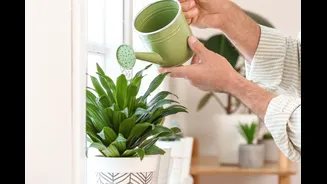
This is the most common mistake new gardeners make. Frequent, shallow watering encourages roots to stay near the surface, making them vulnerable to drying out. Instead, water less often but more deeply. Let the water soak down several inches into the soil. This encourages roots to grow deeper in search of moisture, creating a more resilient and drought-tolerant plant. How do you know when to water? The finger test: stick your finger two inches into the soil. If it feels dry at that depth, it's time to water. If it's still moist, wait another day or two.
Time Your Watering Right
When you water is just as important as how you water. The best time is early in the morning, between 6 a.m. and 9 a.m. This allows the water to be absorbed by the roots before the sun's heat causes it to evaporate. Watering in the morning also ensures the foliage dries out during the day, reducing the risk of fungal diseases. If you can't water in the morning, late evening is the next best option. Avoid watering in the middle of a hot, sunny day, as most of the water will be lost to evaporation and cold water can shock hot roots.
Mulch is Your Garden’s Best Friend
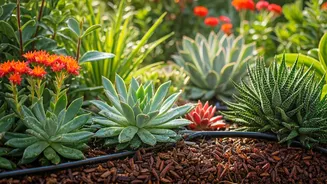
Mulching is the secret weapon of smart gardeners. Applying a 2-3 inch layer of organic material—like wood chips, dried leaves, or sugarcane bagasse—on top of the soil has incredible benefits. It insulates the soil, keeping it cooler in the summer. It dramatically reduces water evaporation, meaning you'll need to water far less frequently. It also suppresses weed growth and, as it breaks down, adds valuable nutrients back into the soil. This single, simple step saves water, time, and effort.
Consider Drip Irrigation
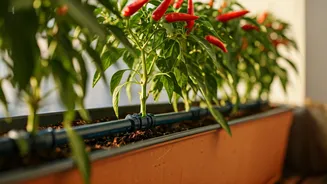
For those with larger balconies, terraces, or garden patches, a drip irrigation system is a game-changer. These systems deliver water slowly and directly to the base of each plant, right where it's needed. This eliminates wastage from runoff and evaporation, making it the most water-efficient method available. While it sounds complex, simple, easy-to-install kits are now widely available online and in garden stores. For a handful of pots, even a simple bottle dripper—an inverted plastic bottle with a small hole in the cap—can serve as a mini-drip system while you're away.